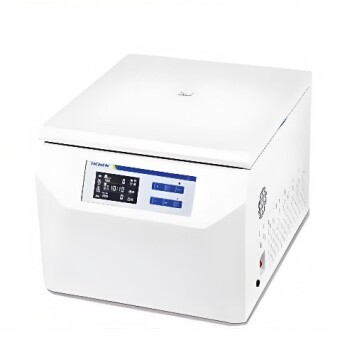
The function of a High-Pressure Reactor is to replicate the rigorous thermodynamic conditions required for the Iodine-Sulfur (IS) process. By sustaining temperatures up to 300°C and pressures up to 4MPa, the reactor creates a closed environment that simulates the decomposition of sulfuric acid or hydrogen iodide (HIx) solutions. This allows for the precise evaluation of metallic materials exposed to these corrosive agents under actual operating parameters.
By pressurizing the system, the reactor forces corrosive media to remain in a liquid phase even at superheated temperatures. This capability is essential for accurately testing the long-term stability of materials that must survive the harsh, acidic environment of an industrial IS cycle.
Creating a Realistic Testing Environment
Replicating Extreme Parameters
To test materials effectively, you cannot rely on standard laboratory conditions. The High-Pressure Reactor provides a closed thermodynamic system capable of withstanding extreme stress.
It is specifically engineered to operate at temperatures up to 300°C and pressures up to 4MPa, matching the intensity of the IS process.
Maintaining the Liquid Phase
A critical function of this reactor is managing phase changes. At 300°C, most liquid solutions would naturally boil and vaporize at atmospheric pressure.
The reactor utilizes high pressure to suppress boiling, maintaining the corrosive media in a superheated liquid phase. This ensures the test materials are constantly submerged in the solution, rather than exposed to vapor, which creates a more accurate simulation of internal pipe and vessel conditions.
Material Evaluation in Acidic Environments
Targeting Specific Corrosive Agents
The IS process relies on aggressive chemicals that dissolve common metals. This equipment allows researchers to safely contain and study sulfuric acid decomposition and hydrogen iodide (HIx) solutions.
These are the primary corrosive agents in the cycle, and the reactor allows for observation of their effects without risking containment breach.
Assessing Long-Term Stability
The ultimate goal of using this reactor is to predict the lifespan of infrastructure. It provides data on the long-term stability of metallic materials.
By simulating the exact chemical and physical stress the materials will face, engineers can identify which alloys will fail and which will endure before building the full-scale plant.
Understanding the Operational Constraints
The Rigor of a Closed System
While accurate, a high-pressure reactor creates a rigorous environment that requires careful management. Because it is a closed thermodynamic system, fluctuations in temperature will drastically spike internal pressure.
Equipment Durability
The reactor itself must be constructed of materials superior to those being tested. It must simultaneously withstand the 4MPa pressure, the 300°C heat, and the corrosive nature of the HIx or sulfuric acid solutions to prevent catastrophic equipment failure during the test.
Making the Right Choice for Your Goal
To effectively utilize a High-Pressure Reactor for IS process simulation, align your testing parameters with your specific data needs.
- If your primary focus is Material Selection: Prioritize maintaining the liquid phase to ensure the metal sample is continuously subjected to chemical attack, rather than intermittent vapor exposure.
- If your primary focus is Process Safety: Use the reactor to determine the pressure limits at which your proposed materials begin to degrade or lose structural integrity.
This equipment acts as the bridge between theoretical chemistry and practical industrial application, ensuring your materials can survive the harsh reality of the Iodine-Sulfur cycle.
Summary Table:
| Feature | Operational Parameter | Role in IS Process Simulation |
|---|---|---|
| Temperature Range | Up to 300°C | Replicates superheated conditions of sulfuric acid decomposition. |
| Pressure Rating | Up to 4MPa | Maintains corrosive media in liquid phase to prevent boiling. |
| Environment Type | Closed Thermodynamic | Enables precise evaluation of metallic material stability. |
| Corrosive Agents | H2SO4 & HIx Solutions | Safely contains aggressive acids to assess long-term infrastructure life. |
Advance Your Research with KINTEK’s Precision Engineering
Simulating the brutal conditions of the Iodine-Sulfur cycle requires more than just high temperatures—it demands specialized equipment that ensures safety, reliability, and precision. KINTEK specializes in premium laboratory equipment, offering industry-leading high-temperature high-pressure reactors and autoclaves designed to withstand the most aggressive chemical environments.
Whether you are testing material longevity for hydrogen production or evaluating alloys for chemical processing, our comprehensive range of high-temperature furnaces, hydraulic presses, and reactor systems provides the control you need.
Ready to bridge the gap between theoretical chemistry and industrial scale-up? Contact our technical experts today to discover how KINTEK’s reactors and laboratory consumables can optimize your material evaluation process.
References
- Nobuyuki Tanaka, Kaoru Onuki. ICONE19-43563 Corrosion test of metallic materials in high temperature acidic environments of IS process. DOI: 10.1299/jsmeicone.2011.19._icone1943_230
This article is also based on technical information from Kintek Solution Knowledge Base .
Related Products
- Customizable Laboratory High Temperature High Pressure Reactors for Diverse Scientific Applications
- Customizable High Pressure Reactors for Advanced Scientific and Industrial Applications
- Stainless High Pressure Autoclave Reactor Laboratory Pressure Reactor
- Mini SS High Pressure Autoclave Reactor for Laboratory Use
- High Pressure Laboratory Autoclave Reactor for Hydrothermal Synthesis
People Also Ask
- How do high-pressure and high-temperature reactors ensure the effective treatment of lignocellulosic wastewater in WAO?
- What equipment is required for high-pressure high-temperature reactions? Master Extreme Chemistry Safely
- How do you control high pressure in a reactor? A Guide to Safe & Stable Operation
- How does initial oxygen pressure affect the wet oxidation of pharmaceutical sludge? Master Your Oxidation Depth
- Why is argon better than nitrogen for inert atmosphere? Ensure Absolute Reactivity & Stability