Fluoroelastomer and fluorosilicone O-rings function as critical compression seals at the joints and flanges of Photoelectrochemical (PEC) equipment. Their primary purpose is to maintain a hermetic seal that withstands the harsh internal environment of the electrolyzer. By preserving elasticity under stress, they ensure the device remains airtight and operationally safe throughout its lifecycle.
Core Takeaway Standard seals often fail in PEC environments, but fluoroelastomer and fluorosilicone O-rings provide the necessary chemical resistance and mechanical resilience. They are essential for blocking the dangerous cross-penetration of hydrogen and oxygen while enduring exposure to corrosive electrolytes.
The Role of Chemical Stability
Resisting Harsh Electrolytes
PEC electrolyzers typically operate using aggressive fluids to facilitate the reaction. These often include strong alkaline solutions, such as potassium hydroxide, or highly acidic environments.
Fluoroelastomer and fluorosilicone O-rings are specifically chosen for their ability to resist degradation when in contact with these corrosive agents. Unlike general-purpose rubber, they do not dissolve or become brittle when exposed to these chemicals over time.
Mechanical Durability Under Stress
Withstanding Pressure and Temperature Cycles
The operational environment of a PEC device is rarely static. The equipment is subject to significant fluctuations in both pressure and temperature during operation.
These high-performance elastomers are designed to endure this cycling. They maintain their structural integrity without cracking or deforming permanently, which is vital for long-term reliability.
Maintaining Long-Term Elasticity
A compression seal is only effective as long as the material pushes back against the mating surfaces.
These O-rings exhibit excellent retention of elasticity. Even after long-term exposure to pressure, they rebound to fill the gaps at joints and flanges, ensuring the seal remains tight.
Safety and Gas Containment
Preventing Gas Cross-Penetration
The most critical safety function of these seals is gas isolation. In an electrolyzer, hydrogen and oxygen are generated simultaneously.
These O-rings block the cross-penetration of hydrogen and oxygen. By preventing these gases from mixing or leaking into the atmosphere, they mitigate the risk of combustion and ensure the operational safety of the entire system.
The Stakes of Material Selection
Consequences of Inadequate Sealing
It is important to understand the trade-off of using inferior materials. While other elastomers might be cheaper or more readily available, they lack the specific resistance profiles required for PEC systems.
If a seal degrades due to chemical attack or loses elasticity under pressure, the resulting breach leads to electrolyte leakage and hazardous gas mixing. Therefore, the use of fluoroelastomer or fluorosilicone is not optional but a requirement for basic safety and airtightness.
Ensuring System Integrity
To maximize the lifespan and safety of your PEC electrolyzer, material selection for seals must be deliberate.
- If your primary focus is Chemical Compatibility: Select fluoroelastomer or fluorosilicone to withstand strong potassium hydroxide or acidic electrolytes without degradation.
- If your primary focus is Safety Compliance: Utilize these seals to strictly prohibit the dangerous mixing of generated hydrogen and oxygen gases.
Ultimately, the reliability of your PEC device is directly tied to the resilience of these sealing components.
Summary Table:
| Feature | Fluoroelastomer/Fluorosilicone O-Rings | Impact on PEC Performance |
|---|---|---|
| Chemical Resistance | High resistance to strong acids and alkaline (e.g., KOH) | Prevents seal degradation and electrolyte leakage |
| Mechanical Resilience | Superior elasticity retention under pressure/thermal cycles | Ensures long-term hermetic sealing and durability |
| Gas Permeability | Extremely low cross-penetration rate | Prevents hazardous mixing of Hydrogen and Oxygen |
| Operational Safety | Maintains structural integrity in harsh environments | Mitigates risk of combustion and system failure |
Optimize Your PEC Research with KINTEK Precision
Don't compromise the safety and integrity of your photoelectrochemical systems with sub-standard sealing. KINTEK specializes in high-performance laboratory equipment, offering specialized electrolytic cells, electrodes, and chemical-resistant consumables tailored for the most demanding research environments.
From high-temperature high-pressure reactors to precision-engineered O-rings and PTFE products, our team provides the technical expertise to help you achieve consistent, leak-free results. Contact KINTEK today to discuss your specific material compatibility needs and secure the reliability of your laboratory's most critical systems.
References
- Sonya Calnan, Rutger Schlatmann. Prospects for Hermetic Sealing of Scaled-Up Photoelectrochemical Hydrogen Generators for Reliable and Risk Free Operation. DOI: 10.3390/en12214176
This article is also based on technical information from Kintek Solution Knowledge Base .
Related Products
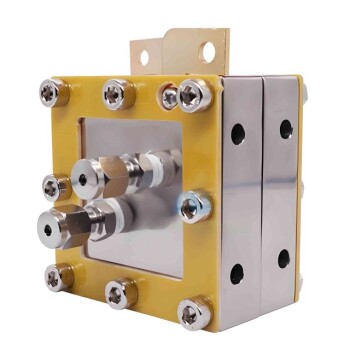
- Customizable PEM Electrolysis Cells for Diverse Research Applications
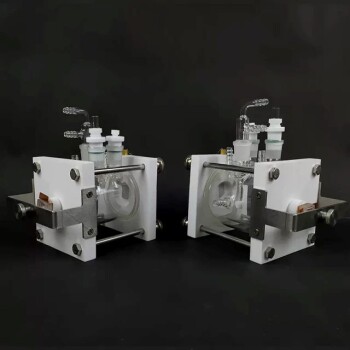
- Flat Corrosion Electrolytic Electrochemical Cell
- Electrolytic Electrochemical Cell with Five-Port
- Electrolytic Electrochemical Cell for Coating Evaluation
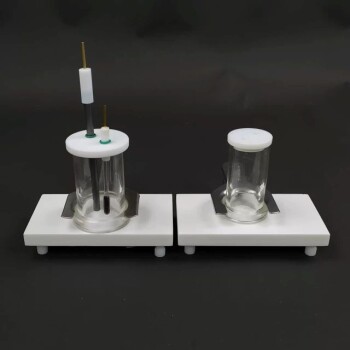
- PTFE Electrolytic Cell Electrochemical Cell Corrosion-Resistant Sealed and Non-Sealed
People Also Ask
- What are the risks of improper voltage control in an electrolysis cell? Avoid Costly Damage and Inefficiency
- What are the opening configurations for the non-sealed and sealed versions of the electrolysis cell? Optimize Your Electrochemical Setup
- What is an electrolysis cell? A Guide to Driving Chemical Reactions with Electricity
- What parameters must be strictly controlled during the electrolysis process? Ensure Precision and Efficiency
- What are the precautions for heating or sterilizing an electrolysis cell? Avoid Damaging Sensitive Components