The primary function of graphite molds in the Spark Plasma Sintering (SPS) process is to serve as an active, conductive vessel that simultaneously generates heat and transmits mechanical force. Unlike passive molds used in conventional sintering, the graphite mold acts as a resistive heating element by guiding pulsed electric current to generate Joule heat, while withstanding high hydraulic pressures (typically 37.5 to 50 MPa) to densify the LLZT powder.
Core Takeaway The graphite mold is the critical interface in SPS technology, transforming electrical energy into thermal energy while applying massive mechanical pressure. This dual functionality enables the rapid sintering of LLZT electrolytes at lower temperatures than conventional methods, preserving material microstructure.
The Active Role of Graphite in SPS
Generating Heat Through Conductivity
In the SPS process, the graphite mold acts as a conductive medium. It does not rely on external heating elements; rather, it guides the pulsed direct current (DC) through its structure.
The Joule Heating Effect
As the current passes through the graphite, the mold’s electrical resistance generates Joule heat. This ensures that thermal energy is applied directly and efficiently to the LLZT sample contained within, facilitating rapid heating rates.
Transmitting Mechanical Pressure
The mold serves as a robust container capable of withstanding extreme mechanical stress. It transmits force from the hydraulic rams directly to the powder, maintaining structural integrity under pressures ranging from 37.5 to 50 MPa.
Why This Matters for LLZT Electrolytes
Achieving Rapid Sintering
The combination of direct heat generation and high pressure allows the LLZT material to sinter quickly. This is essential for achieving high density without the excessive grain growth often caused by prolonged exposure to high temperatures.
Ensuring Uniform Densification
High-purity graphite possesses excellent thermal conductivity. This property ensures that the heat field is distributed uniformly across the ceramic powder, which is critical for producing crack-free pellets with consistent electrochemical performance.
Defining Sample Geometry
The mold defines the macroscopic shape of the final solid electrolyte. By restricting the flow of the powder during the "plastic flow" phase of sintering, it ensures precise geometric dimensions for the final ceramic cylinder or pellet.
Understanding the Trade-offs
The "Consumable" Nature of Graphite
While robust, graphite molds are classified as consumables. They are subjected to simultaneous extreme heat (often up to 1100°C) and high pressure, which eventually degrades the material, requiring regular replacement to maintain precision.
Environmental Requirements
To maintain chemical stability and prevent the graphite from oxidizing or reacting adversely with the oxide electrolytes, the process typically requires a vacuum or inert atmosphere. Graphite is generally chemically stable with oxides in these environments, but improper atmospheric control can lead to mold failure or sample contamination.
Making the Right Choice for Your Goal
When designing your SPS experiments for LLZT electrolytes, consider how the mold configuration impacts your specific objectives.
- If your primary focus is rapid densification: Prioritize mold designs that maximize electrical contact area to ensure efficient Joule heating and rapid temperature ramp-up.
- If your primary focus is microstructural homogeneity: Ensure you are using high-purity graphite with verified thermal conductivity to prevent thermal gradients that could lead to cracking.
Success in Spark Plasma Sintering relies on viewing the graphite mold not just as a container, but as a dynamic component of the heating and shaping system.
Summary Table:
| Feature | Role of Graphite Mold in SPS |
|---|---|
| Heating Mechanism | Conducts pulsed DC current to generate internal Joule heat |
| Pressure Transmission | Withstands and transmits 37.5 to 50 MPa of hydraulic force |
| Thermal Property | High thermal conductivity ensures uniform heat distribution |
| Structural Function | Defines the final geometry (pellet/cylinder) of LLZT samples |
| Operating Environment | Requires vacuum or inert atmosphere to prevent oxidation |
| Material Status | High-purity consumable designed for extreme heat and stress |
Elevate Your Battery Research with KINTEK Precision
Precision in LLZT sintering starts with the right equipment. KINTEK specializes in high-performance laboratory solutions, providing the advanced Spark Plasma Sintering (SPS) compatibility you need through our robust hydraulic presses, high-temperature furnaces, and premium graphite consumables.
Whether you are developing solid-state batteries or advanced ceramics, our team delivers the tools required for uniform densification and superior material microstructure. From high-pressure reactors and electrolytic cells to specialized milling systems, we provide end-to-end support for your lab's success.
Ready to optimize your sintering process? Contact us today to discuss your project requirements!
Related Products
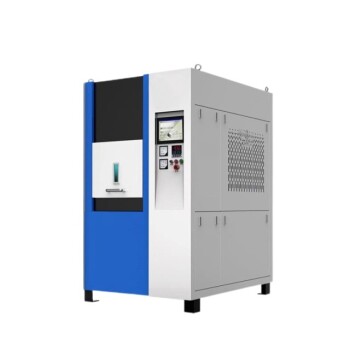
- Spark Plasma Sintering Furnace SPS Furnace
- Ultra-High Temperature Graphite Vacuum Graphitization Furnace
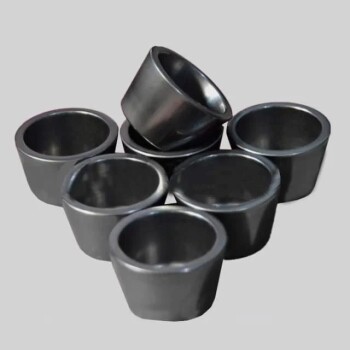
- High Purity Pure Graphite Crucible for Evaporation
- Polygon Press Mold for Lab
- High Purity Pure Graphite Crucible for Electron Beam Evaporation
People Also Ask
- What is SPS sintering method? A Guide to High-Speed, High-Performance Material Fabrication
- Why are Spark Plasma Sintering (SPS) furnaces or hot presses utilized in the preparation of Li3PS4 solid electrolytes?
- What is the difference between spark plasma sintering and flash sintering? A Guide to Advanced Sintering Methods
- What technical advantages does a Spark Plasma Sintering (SPS) furnace offer for LZP ceramics? Enhance Ionic Conductivity
- What is the theory of spark plasma sintering? A Guide to Rapid, Low-Temperature Densification