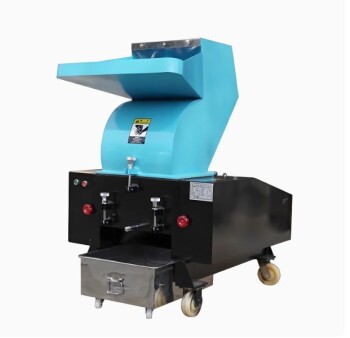
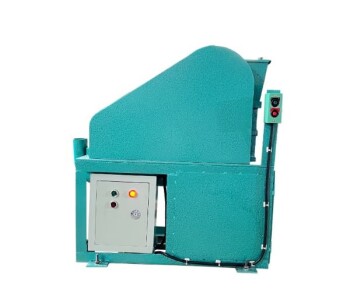
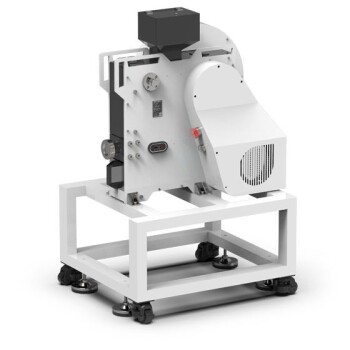
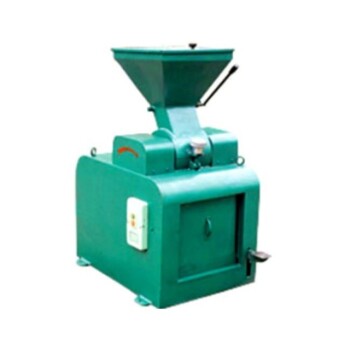
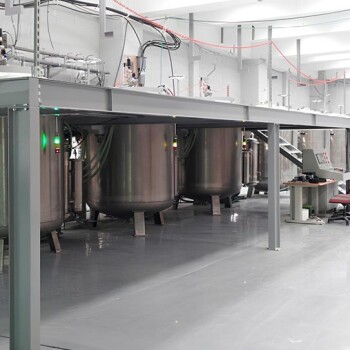
High-energy crushing equipment acts as the critical preparatory engine in the synthesis of graphene nanosheets (GNS). Its primary function is to subject large-diameter natural graphite flakes to intense mechanical shear forces, grinding the raw material down into micron-sized particles to establish the physical foundation for subsequent processing.
By drastically increasing the specific surface area of raw graphite, high-energy crushing creates the necessary reactive sites for successful exfoliation. It transforms inert bulk material into a highly reactive precursor essential for efficient GNS production.
The Mechanics of Size Reduction
Applying Mechanical Shear
The equipment operates by applying high-intensity mechanical shear forces rather than simple compressive pressure.
This specific type of force is necessary to break down the resilient, layered structure of natural graphite flakes without relying solely on impact.
Achieving Micron-Scale Dimensions
The process targets large-diameter input material, which is often too bulky for efficient chemical reaction.
Through continuous processing, the equipment systematically reduces these flakes until they reach a uniform micron-sized diameter.
Enhancing Material Reactivity
Increasing Specific Surface Area
The primary chemical objective of this physical crushing is the exponential increase of specific surface area.
By reducing the particle size to the micron level, a significantly larger percentage of the material's surface is exposed to the surrounding environment.
Creating Reactive Sites
This increased surface area translates directly into a higher density of reactive sites.
These sites act as the "entry points" for subsequent processing steps, allowing chemicals or physical forces to interact more effectively with the graphite structure.
Improving Exfoliation Efficiency
The ultimate function of this equipment is to facilitate the exfoliation efficiency of the graphene nanosheets.
Without this pre-treatment, the graphite would remain too coarse, creating resistance to the exfoliation process required to produce the GNS needed for Zr2Al-GNS MAX phase ceramics.
Operational Considerations and Trade-offs
Balancing Size and Structure
While maximizing surface area is critical, there is a trade-off regarding the crystalline integrity of the graphite.
Excessive crushing can introduce defects into the graphite lattice. If the shear forces are too aggressive, they may degrade the material properties before exfoliation even begins.
Uniformity vs. Throughput
High-energy crushing is effective, but achieving a perfectly narrow particle size distribution can be challenging.
Inconsistent particle sizes may lead to uneven exfoliation rates later in the process. Large particles may remain un-exfoliated, while ultra-fine particles might react too aggressively.
Making the Right Choice for Your Synthesis
To ensure the successful creation of raw materials for Zr2Al-GNS MAX phase ceramics, align your equipment settings with your specific processing goals:
- If your primary focus is maximum reactivity: Prioritize crushing parameters that maximize specific surface area to create the highest density of reactive sites for exfoliation.
- If your primary focus is lattice integrity: Limit the duration and intensity of shear forces to ensure the fundamental graphite structure is not compromised by over-processing.
Optimizing the physical preparation of your graphite is the single most effective way to ensure high-efficiency exfoliation downstream.
Summary Table:
| Feature | Function in GNS Preparation | Benefit for MAX Phase Ceramics |
|---|---|---|
| Force Type | High-intensity mechanical shear | Efficiently breaks down resilient layered structures |
| Size Reduction | Macro-flakes to micron-sized particles | Provides physical foundation for chemical exfoliation |
| Surface Area | Exponential increase in specific area | Maximizes reactive sites for uniform processing |
| Exfoliation | Structural pre-treatment | Increases efficiency and yield of graphene nanosheets |
Elevate Your Advanced Material Synthesis with KINTEK
Precision in material preparation is the foundation of high-performance Zr2Al-GNS MAX phase ceramics. KINTEK specializes in cutting-edge laboratory solutions, providing the high-energy crushing and milling systems necessary to achieve the perfect micron-scale precursors for your research.
Beyond milling, our comprehensive portfolio supports every stage of your workflow, featuring:
- Sieving equipment for precise particle size distribution.
- Hydraulic presses (pellet, hot, isostatic) for dense ceramic formation.
- High-temperature vacuum and atmosphere furnaces for advanced sintering.
- High-pressure reactors and autoclaves for specialized chemical synthesis.
Ready to optimize your graphene exfoliation and ceramic synthesis? Contact KINTEK today to discover how our high-precision equipment and consumables can enhance your laboratory's efficiency and results.
References
- Dumooa R. Hussein, Ahmed Al-Ghaban. Synthesizinge a novel Zr2Al-GNS MAX phase ceramic with superior electrical properties using pressureless sintering technique. DOI: 10.55730/1300-0527.3577
This article is also based on technical information from Kintek Solution Knowledge Base .
Related Products
- Powerful Plastic Crusher Machine
- High Energy Planetary Ball Mill Milling Machine for Laboratory
- High Energy Planetary Ball Mill Milling Machine for Laboratory
- Sealed Jaw Crusher High Efficiency Environmental Protection Safe and Reliable
- Vertical High Temperature Graphite Vacuum Graphitization Furnace
People Also Ask
- What is the primary purpose of using an industrial-grade grinder for flax straw? Optimize Biomass Pretreatment Now
- What is the primary function of a crushing system? Optimize Rice Husk Fractionation with Precise Size Reduction
- What is the primary function of industrial crushers in battery dismantling? Optimize Your Recovery Feedstock
- What are the contaminants in plastic pyrolysis oil? Manage Impurities for Commercial Success
- Why is it necessary to use an ultrasonic cell disruptor before yeast flow cytometry? Ensure Data Accuracy