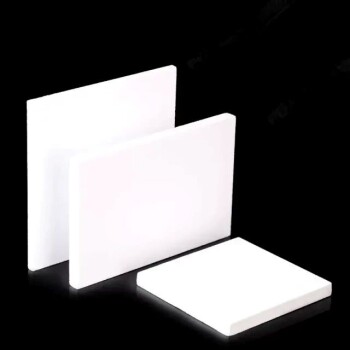
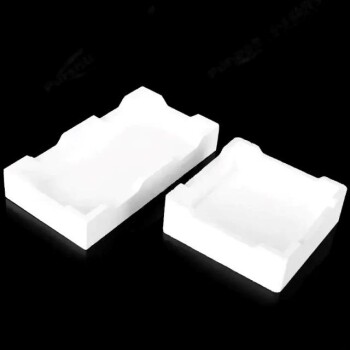
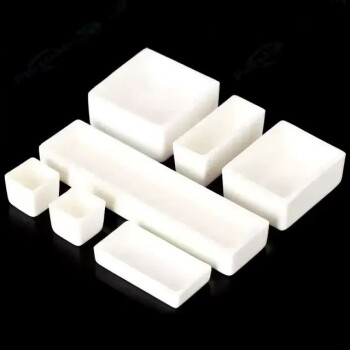
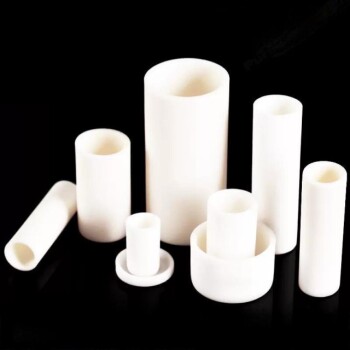
Alumina trays function as a chemically inert foundation that isolates samples during the Hot Isostatic Pressing (HIP) process. By physically separating the components on these trays, you prevent them from fusing together or sticking to the support structure, ensuring that the extreme pressure and temperature act only to densify the material rather than bonding distinct parts into a single mass.
The HIP environment is engineered to force materials to bond and densify through plastic deformation and diffusion. Using inert alumina trays and maintaining sample separation are critical controls that restrict this bonding to the internal microstructure of the part, preventing unwanted interaction between separate components.
The Critical Role of Inert Supports
Why Alumina is the Material of Choice
Alumina (aluminum oxide) is selected primarily for its chemical inertness. In the reactive environment of a HIP vessel, where temperatures can exceed 1000°C, the support material must not react with the samples.
Stability Under Extreme Conditions
Alumina maintains its structural integrity without softening or degassing. This ensures that the tray provides a stable, flat platform that will not warp or introduce contaminants into the processing atmosphere.
The Physics of Sample Separation
Preventing Unwanted Diffusion Bonding
The primary mechanism of HIP is diffusion bonding, which is used to eliminate internal porosity and bond powders. If samples touch during this process, the same forces that densify the material will permanently fuse the samples together.
Preserving Surface Integrity
Physical contact between samples, or between a sample and a reactive tray, can lead to surface tearing upon removal. Separating samples ensures that the surface quality remains pristine and free from defects caused by adhesion.
Avoiding Ceramic Sheet Fusion
Specifically when processing ceramic sheets, the risk of lamination is high. Placing these samples separately is the only way to ensure they remain distinct, individual components rather than fusing into a single, unusable block.
Common Pitfalls to Avoid
The Density vs. Integrity Trade-off
Operators often attempt to maximize throughput by crowding the HIP vessel. While this increases the number of parts per cycle, it drastically increases the risk of accidental contact and fusion.
Assumed Inertness
While alumina is generally inert, it is not universally compatible with every exotic alloy or compound. Always verify that your specific sample material does not react with alumina at your target maximum temperature.
Making the Right Choice for Your Goal
To ensure a successful HIP cycle, structure your load based on your specific priorities:
- If your primary focus is Surface Quality: Prioritize generous spacing between samples to eliminate any risk of contact-induced defects or diffusion bonding.
- If your primary focus is Process Efficiency: Utilize stacking fixtures that incorporate alumina spacers, allowing vertical density without compromising horizontal separation.
By treating sample isolation as a critical process parameter, you ensure the powerful forces of HIP are directed solely at improving material density and mechanical properties.
Summary Table:
| Feature | Function in HIP Process | Benefit for Sample |
|---|---|---|
| Chemical Inertness | Prevents reactions between tray and sample at >1000°C | Contamination-free processing |
| Physical Isolation | Stops diffusion bonding between separate components | Prevents samples from fusing together |
| Structural Stability | Maintains a flat, non-warping support platform | Preserves dimensional accuracy |
| Surface Separation | Eliminates contact-induced adhesion or tearing | Maintains pristine surface quality |
Maximize Your Material Integrity with KINTEK Solutions
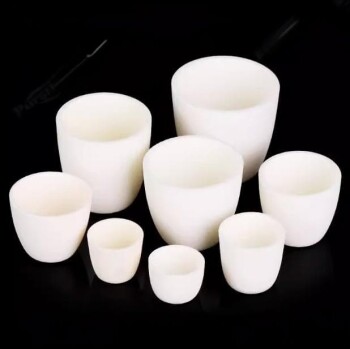
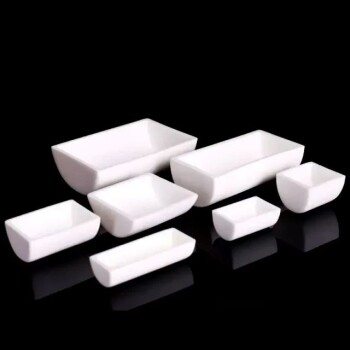
Don't let unwanted fusion compromise your HIP results. KINTEK provides high-performance laboratory equipment and specialized consumables, including inert alumina trays, ceramic spacers, and crucibles, specifically designed to withstand the extreme environments of Hot Isostatic Pressing.
Whether you are working with exotic alloys or delicate ceramic sheets, our comprehensive range of isostatic presses, high-temperature furnaces, and precision ceramics ensures your materials achieve peak density without sacrificing surface quality.
Ready to optimize your HIP workflow? Contact KINTEK today to discuss how our laboratory expertise can enhance your research and production efficiency.
Related Products
- High Temperature Wear-Resistant Alumina Al2O3 Plate for Engineering Advanced Fine Ceramics
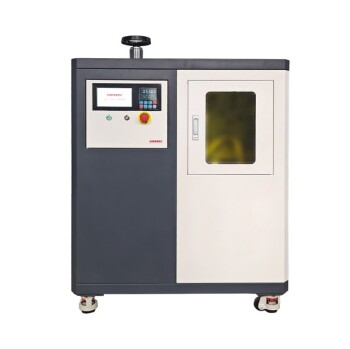
- Warm Isostatic Press for Solid State Battery Research
- Engineering Advanced Fine Ceramics Alumina Crucibles (Al2O3) for Thermal Analysis TGA DTA
- Arc-Shaped Alumina Ceramic Crucible High Temperature Resistant for Engineering Advanced Fine Ceramics
- Advanced Engineering Fine Ceramics Alumina Ceramic Saggar for Fine Corundum
People Also Ask
- What are the process advantages of selecting an alumina plate for CuO nanofilm synthesis? Achieve Superior Purity
- What function do alumina ceramic plates serve as supports in the preparation of molecular sieve membranes?
- How is alumina ceramic made? A Guide to Manufacturing Methods and Material Properties
- Why use high-purity alumina plates for sintering porous stainless steel? Ensure Purity & Precision
- What is the function of alumina setter plates for LATP? Protect Material Purity & Prevent Adhesion