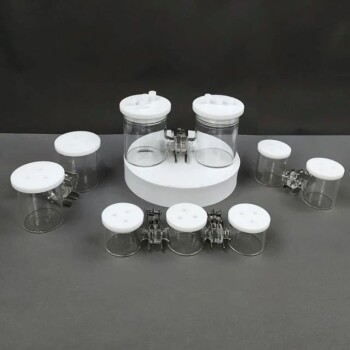
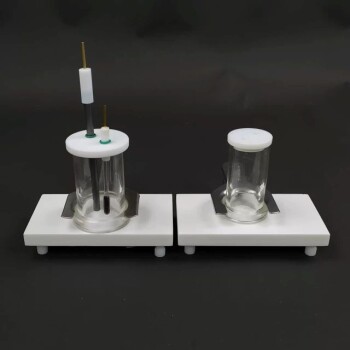
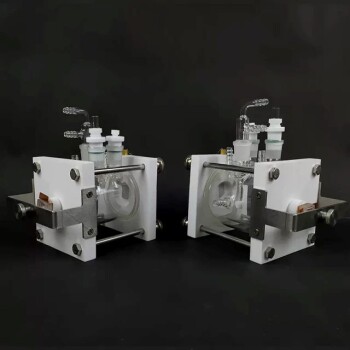
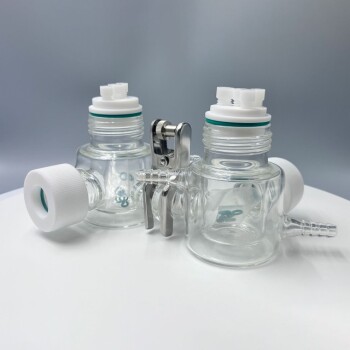
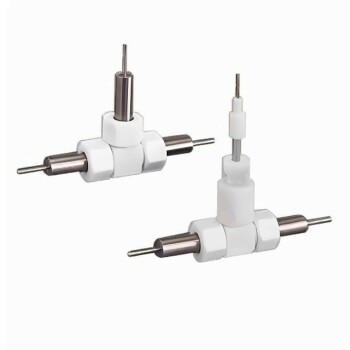
An electrolytic cell is an electrochemical device engineered to force non-spontaneous chemical reactions to occur by applying external electrical energy. By utilizing direct electric current (DC), the cell decomposes stable chemical substances into their constituent elements, such as splitting water into hydrogen and oxygen or extracting aluminum from bauxite.
Core Takeaway: While a standard battery generates electricity from chemical reactions, an electrolytic cell does the exact opposite: it consumes electrical energy to drive chemical transformations that would not happen naturally in the environment.
The Mechanics of Electrolysis
To understand the function of an electrolytic cell, one must look at how it manipulates electron flow to disrupt chemical stability.
The Role of External Voltage
The process, known as electrolysis, relies entirely on an external power source, such as a battery or DC power supply.
This source applies a specific voltage across the electrodes. This voltage must be sufficient to overcome the thermodynamic stability of the chemical compound being broken down.
Electrode Polarity and Oxidation-Reduction
Inside the cell, the external power source dictates the charge of the electrodes, creating a specific environment for reaction.
The anode is positively charged. It attracts negative ions and is the site where oxidation (loss of electrons) occurs.
The cathode is negatively charged. It attracts positive ions and is the site where reduction (gain of electrons) occurs.
Ion Migration
The reaction happens because the electrical field physically moves ions through the electrolyte.
Cations (positive ions) are attracted to the negative cathode. Upon contact, they accept electrons and are deposited or released as neutral atoms (e.g., hydrogen gas).
Anions (negative ions) migrate toward the positive anode. Here, they surrender electrons to the circuit and are released (e.g., oxygen gas).
Essential Components of the System
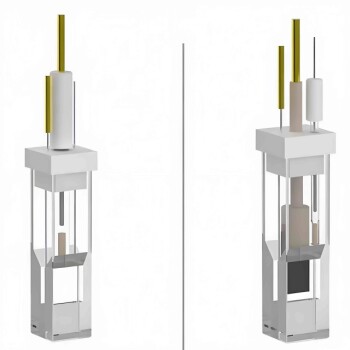
A functional electrolytic cell requires three distinct physical components working in unison within a reaction chamber.
The Electrodes
These are stable solid conductors that connect the external circuit to the chemical solution.
They serve as the physical sites where electron transfer occurs. They must be robust enough to withstand the corrosive environment of the reaction without degrading rapidly.
The Electrolyte
This is the fluid medium, often a solution of water containing dissolved ions or a molten salt (like molten sodium chloride).
The electrolyte serves a critical dual purpose: it contains the raw material to be decomposed and provides a conductive path for ions to move freely between the cathode and anode.
The Separator
In many advanced applications, such as hydrogen production, the cell acts as a physical barrier.
It prevents the products formed at the cathode and anode from mixing. This is vital for ensuring gas collection efficiency and preventing dangerous recombination.
Understanding the Trade-offs
While electrolytic cells are powerful tools for industrial synthesis and energy storage, they come with inherent constraints that must be managed.
Energy Consumption
The primary trade-off is the energy requirement. Because the reactions are non-spontaneous, the system is a net consumer of energy.
High voltage inputs are often required to achieve significant reaction rates, which can lead to heat generation and energy loss if the internal resistance of the cell is not minimized.
Product Purity and Safety
The simultaneous production of different substances (like explosive hydrogen and oxygen gases) presents a safety challenge.
If the internal physical barrier fails, the products can recombine. This not only destroys the efficiency of the process but creates immediate safety hazards in pressurized systems.
Making the Right Choice for Your Goal
When designing or selecting an electrolytic system, your specific application defines which parameters matter most.
- If your primary focus is Industrial Extraction (e.g., Aluminum): Prioritize electrode durability and heat management, as molten electrolytes operate at extreme temperatures.
- If your primary focus is Hydrogen Production: Prioritize the quality of the membrane or separator to ensure high gas purity and prevent the dangerous recombination of hydrogen and oxygen.
- If your primary focus is Electroplating: Focus on the precise control of current density to ensure a smooth, even deposition of metal ions onto the cathode.
By controlling the external current and the chemical environment, you turn electrical potential into tangible chemical value.
Summary Table:
| Component | Role in Electrolysis | Charge | Process Occurring |
|---|---|---|---|
| Anode | Attracts anions | Positive (+) | Oxidation (Loss of electrons) |
| Cathode | Attracts cations | Negative (-) | Reduction (Gain of electrons) |
| Electrolyte | Ion transport medium | Neutral | Facilitates ion movement |
| Separator | Product isolation | N/A | Prevents gas recombination |
Elevate Your Electrochemical Research with KINTEK
Unlock the full potential of your electrolysis projects with KINTEK’s industry-leading technology. Whether you are focusing on hydrogen production, industrial extraction, or advanced battery research, our specialized range of electrolytic cells and electrodes, high-temperature furnaces, and PTFE consumables ensures maximum durability and precision.
From crushing systems to high-pressure reactors, we provide the tools needed to overcome energy loss and ensure product purity. Contact us today to discover how our comprehensive laboratory solutions can streamline your path to discovery and industrial efficiency.
Related Products
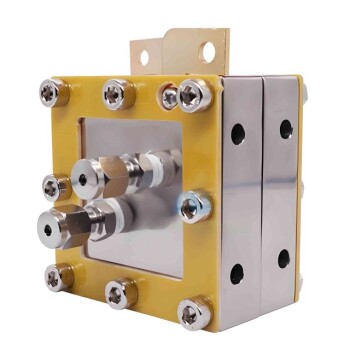
- PTFE Electrolytic Cell Electrochemical Cell Corrosion-Resistant Sealed and Non-Sealed
- Super Sealed Electrolytic Electrochemical Cell
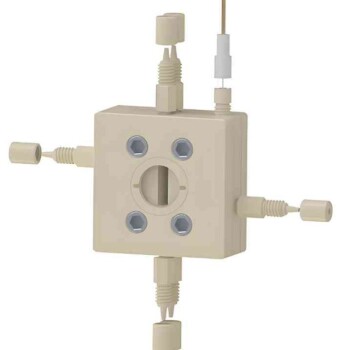
- Electrolytic Electrochemical Cell with Five-Port
- H Type Electrolytic Cell Triple Electrochemical Cell
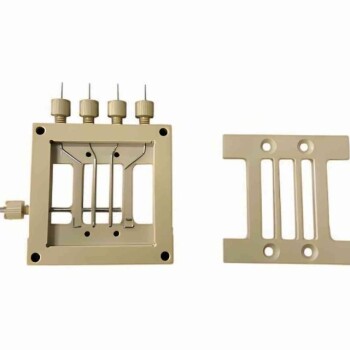
- Electrolytic Electrochemical Cell Gas Diffusion Liquid Flow Reaction Cell
People Also Ask
- What is the necessity of selecting a PTFE electrolytic cell? Ensure Precise Graphene Corrosion Testing Accuracy
- What is the proper method for cleaning the surface of an all-PTFE electrolytic cell? Ensure Accurate Results with a Pristine Surface
- How should an all-PTFE electrolytic cell be stored after use? Expert Maintenance Tips for Long-Lasting Performance
- What is the proper cleaning method for an all-PTFE electrolytic cell? Essential Tips for Surface Integrity
- What are the standard opening specifications for all-PTFE electrolytic cells? A Guide to Sealed vs. Non-Sealed Ports