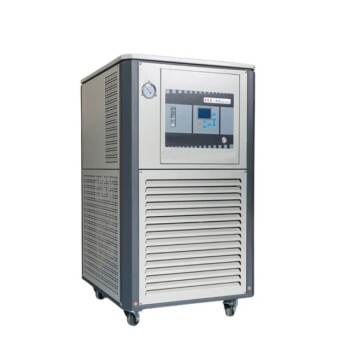
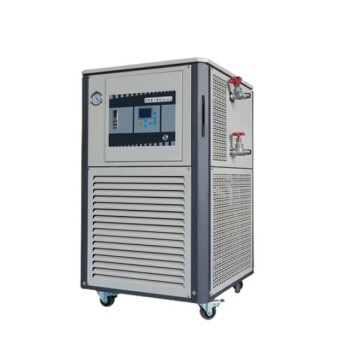
The primary function of a constant temperature high-pressure reactor in this context is to establish a stable hydrothermal environment that converts loose hydroxide precipitates into structured, layered crystals. By subjecting the mixture to sustained heat within a sealed stainless steel vessel, the reactor drives the crystallization process necessary to achieve the specific structural integrity of Calcium-Aluminum Layered Double Hydroxides (CaAl-LDH).
The reactor acts as the critical vessel for structural organization; without the sustained pressure and temperature it provides, the mixture would remain an amorphous precipitate rather than evolving into a defined, high-quality crystalline material.
The Mechanics of Hydrothermal Synthesis
Creating a Controlled Environment
The synthesis of CaAl-LDH requires more than simple mixing; it requires a controlled hydrothermal reaction.
The stainless steel high-pressure reactor isolates the chemical mixture from the external environment. This sealed system allows the internal pressure to rise as the temperature increases, creating conditions that cannot be achieved in open-air vessels.
From Precipitate to Crystal
Initially, the precursor materials exist as simple hydroxide precipitates.
The reactor facilitates the conversion of these raw precipitates into layered crystals. This phase is distinct from the initial mixing; it is a maturation process where the random arrangement of atoms is reorganized into a complete, ordered lattice structure.
The Impact on Material Quality
Ensuring High Crystallinity
The primary output metric influenced by the reactor is crystallinity.
By heating the mixture at a specific temperature for an extended period, the reactor ensures the crystals grow without defects. High crystallinity is essential for the material's stability and its performance in subsequent applications.
Regulating Morphology
Beyond internal structure, the reactor controls the external shape, or morphology, of the particles.
The hydrothermal environment promotes the formation of crystals with a "regular morphology." This ensures the CaAl-LDH particles are uniform in shape, rather than irregular or fragmented, which is critical for consistent performance.
Understanding the Trade-offs
Time vs. Throughput
The primary reference highlights that this process requires heating for an "extended period."
While this duration is necessary for high crystallinity, it introduces a bottleneck in production speed. Rushing this stage by reducing reactor time will almost invariably result in poor crystal formation and incomplete structures.
Equipment Material Constraints
The process relies on a stainless steel reactor construction.
While durable, the user must ensure the specific chemical environment (pH and precursors) is compatible with the specific grade of stainless steel used to prevent corrosion or contamination of the high-purity LDH product.
Making the Right Choice for Your Goal
When designing your synthesis protocol, consider your specific performance targets:
- If your primary focus is Structural Stability: Prioritize the duration of the reaction to maximize the "conversion" phase, ensuring the crystal lattice is fully formed.
- If your primary focus is Particle Uniformity: Focus on maintaining precise temperature control, as fluctuations can lead to irregular morphology.
The high-pressure reactor is not just a container, but the active driver of the phase transformation that defines your material's final quality.
Summary Table:
| Feature | Role in CaAl-LDH Synthesis | Key Benefit |
|---|---|---|
| Hydrothermal Environment | Creates a sealed, high-pressure system | Facilitates phase transformation from precipitate to lattice |
| Temperature Stability | Sustains constant heat for extended periods | Ensures high crystallinity and prevents structural defects |
| Morphology Control | Regulates the growth of particles | Produces uniform, regular crystal shapes |
| Structural Organization | Drives the maturation of amorphous precursors | Achieves the specific layered structural integrity required |
Elevate Your Material Research with KINTEK
Precision is the backbone of high-performance materials like Layered Double Hydroxides. KINTEK specializes in advanced laboratory solutions, providing the high-temperature high-pressure reactors and autoclaves essential for successful hydrothermal synthesis. Whether you are focused on structural stability or particle uniformity, our equipment ensures the stable, controlled environments needed for superior crystallization.
From high-purity ceramics and crucibles to specialized electrolytic cells and crushing systems, KINTEK supports every stage of your lab workflow. Contact us today to optimize your synthesis process and discover why leading researchers trust our laboratory equipment for their most critical breakthroughs.
References
- Junhao Xue, Congshu Huang. Corrosion Protection Mechanism Study of Nitrite-Modified CaAl-LDH in Epoxy Coatings. DOI: 10.3390/coatings13071166
This article is also based on technical information from Kintek Solution Knowledge Base .
Related Products
- Customizable Laboratory High Temperature High Pressure Reactors for Diverse Scientific Applications
- High Temperature Constant Temperature Heating Circulator Water Bath Chiller Circulator for Reaction Bath
- Mini SS High Pressure Autoclave Reactor for Laboratory Use
- Stainless High Pressure Autoclave Reactor Laboratory Pressure Reactor
- Customizable High Pressure Reactors for Advanced Scientific and Industrial Applications
People Also Ask
- How do high-pressure and high-temperature reactors ensure the effective treatment of lignocellulosic wastewater in WAO?
- What equipment is required for high-pressure high-temperature reactions? Master Extreme Chemistry Safely
- How do you control high pressure in a reactor? A Guide to Safe & Stable Operation
- How does initial oxygen pressure affect the wet oxidation of pharmaceutical sludge? Master Your Oxidation Depth
- Why is argon better than nitrogen for inert atmosphere? Ensure Absolute Reactivity & Stability