The role of an impact crusher in smartphone recycling is to perform the essential initial mechanical dissociation. It utilizes high-energy impact forces to physically strip and separate complex bonded materials, such as metals, minerals, and plastics. This process is a necessary prerequisite that liberates components to ensure effective thermal treatment and the precise sorting of fine-grained, valuable materials like gallium.
Core Takeaway The impact crusher functions as the "liberator" in the recycling chain, transforming a unified device into dissociated material streams. By breaking the physical bonds of laminated structures, it increases the exposed surface area of components, making downstream thermal and chemical recovery processes viable and efficient.
The Mechanics of Dissociation
High-Energy Mechanical Impact
The core mechanism involves subjecting waste smartphones to intense collision and shear forces. Rather than simply compressing the device, the impact crusher delivers high-energy strikes that shatter the structural integrity of the phone.
Breaking Laminated Structures
Smartphones are constructed with complex, laminated layers. The impact crusher targets these bonds, achieving physical stripping of the different layers. This ensures that printed circuit boards (PCBs), screens, and casings are no longer fused together.
Component Separation
The primary goal is mechanical dissociation. This means separating metals from plastics and minerals at a granular level. Without this step, downstream sorting equipment would view the material as a composite chunk rather than distinct, recoverable elements.
Strategic Importance in the Workflow
Precondition for Thermal Treatment
According to standard pretreatment protocols, mechanical dissociation is a mandatory prerequisite for thermal processing. If materials are not sufficiently separated and sized, heat treatment cannot effectively target specific components for recovery.
Enabling Gallium Recovery
A specific function of the impact crusher is preparing the material for the mechanical sorting of fine-grained components. This is particularly critical for recovering rare metals like gallium, which exist in small quantities and require precise liberation from the surrounding matrix to be captured.
Increasing Reaction Surface Area
By reducing fragments—often down to micron-scale powders—the crushing process significantly increases the exposed surface area of metallic components. This creates a highly active substrate, which enhances the efficiency of subsequent chemical processes in electrolyte solutions.
Operational Considerations and Trade-offs
Managing Energy Intensity
Impact crushing is a high-energy process. While it provides the necessary force to shatter complex laminates, operators must balance energy consumption against the degree of liberation required.
The Risk of Over-Crushing
There is a trade-off between liberation and loss. While increasing surface area aids chemical reaction, creating dust that is too fine can lead to material loss during mechanical sorting. The goal is controlled dissociation, not total pulverization.
Optimizing the Pretreatment Strategy
To maximize the efficiency of your recycling line, consider your downstream goals when configuring the crushing process:
- If your primary focus is Rare Metal Recovery (e.g., Gallium): Prioritize shear forces that ensure complete mechanical dissociation of fine-grained components to prevent loss during sorting.
- If your primary focus is Chemical Processing efficiency: Focus on refining materials into micron-scale powders to maximize the exposed surface area for electrolyte reactions.
Effectively utilizing an impact crusher ensures that complex waste is converted into a resource-ready state, acting as the foundation for high-yield recovery.
Summary Table:
| Feature | Role in Smartphone Recycling | Key Benefit |
|---|---|---|
| Mechanism | High-energy impact and shear forces | Shatters structural integrity of complex devices |
| Dissociation | Stripping laminated structures | Separates metals, minerals, and plastics at the source |
| Preprocessing | Thermal treatment prerequisite | Prepares materials for effective downstream heating |
| Particle Sizing | Micron-scale powder production | Increases surface area for chemical/electrolyte reaction |
| Target Recovery | Fine-grained component liberation | Essential for capturing rare metals like Gallium |
Optimize Your Recycling Workflow with KINTEK Precision
Maximize the recovery of precious metals and rare materials from electronic waste with KINTEK’s advanced laboratory solutions. Our crushing and milling systems are engineered to provide the precise mechanical dissociation required for high-yield recycling chains.
Whether you are refining pretreatment protocols for gallium recovery or enhancing chemical reaction surfaces, KINTEK offers a comprehensive range of equipment including:
- Crushing & Milling Systems for high-energy material liberation.
- Sieving Equipment for precise grain size distribution.
- High-Temperature Furnaces & Reactors for thermal processing and recovery.
- Electrolytic Cells & Battery Research Tools for downstream chemical extraction.
Ready to scale your recycling efficiency? Contact KINTEK today to discover how our high-performance equipment can transform your laboratory and industrial processes.
References
- Benedikt Flerus, Bernd Friedrich. Recovery of Gallium from Smartphones—Part II: Oxidative Alkaline Pressure Leaching of Gallium from Pyrolysis Residue. DOI: 10.3390/met10121565
This article is also based on technical information from Kintek Solution Knowledge Base .
Related Products
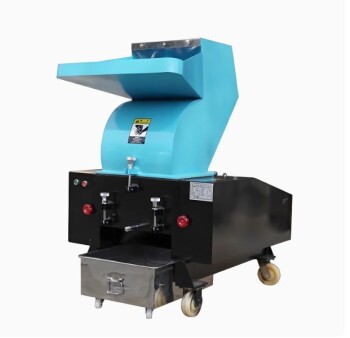
- Powerful Plastic Crusher Machine
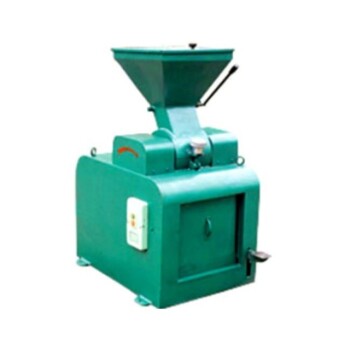
- Laboratory Jaw Crusher
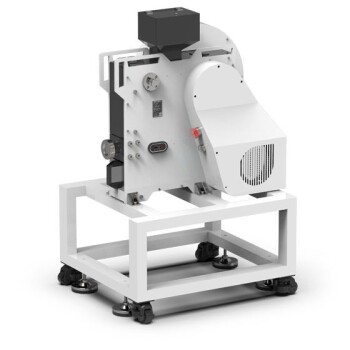
- Laboratory Sealed Hammer Crusher for Efficient Sample Preparation
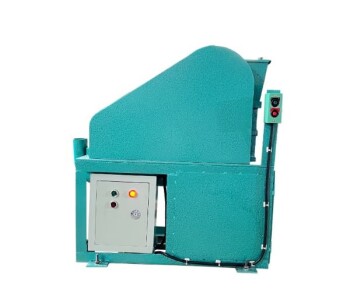
- Sealed Jaw Crusher High Efficiency Environmental Protection Safe and Reliable
People Also Ask
- What is the primary purpose of using an industrial-grade grinder for flax straw? Optimize Biomass Pretreatment Now
- What is the primary function of a crushing system? Optimize Rice Husk Fractionation with Precise Size Reduction
- What is the primary function of industrial crushers in battery dismantling? Optimize Your Recovery Feedstock
- What are the contaminants in plastic pyrolysis oil? Manage Impurities for Commercial Success
- Why is it necessary to use an ultrasonic cell disruptor before yeast flow cytometry? Ensure Data Accuracy