In electrochemical-assisted hydrothermal synthesis, metal electrodes serve as the primary drivers for depositing polycrystalline oxide thin films onto metallic substrates. Functioning within a hydrothermal environment, these electrodes utilize electrical potential to facilitate film growth, effectively replacing the need for extreme thermal energy to drive the reaction.
Core Takeaway: By utilizing metal electrodes to drive synthesis, this technique decouples film formation from high thermal requirements, enabling the creation of high-quality oxide films at temperatures below 200 °C while preserving the structural integrity of the substrate.
The Mechanism of Deposition
Facilitating Film Growth
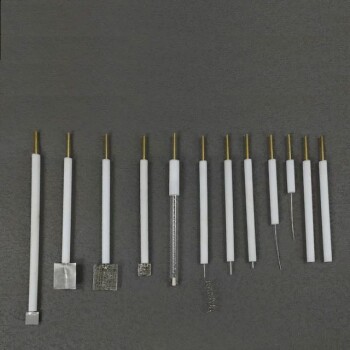
The metal electrode acts as the active substrate for the deposition process. It is not merely a passive component; it provides the necessary surface and electrical environment to attract and bond species from the hydrothermal solution.
Formation of Oxide Films
Specifically, this method is engineered for the creation of polycrystalline oxide thin films. The electrode facilitates the nucleation and growth of these specific structures directly onto the metallic surface, ensuring strong adhesion and film quality.
Thermal and Structural Advantages
Low-Temperature Synthesis
A critical advantage driven by the electrode system is the ability to operate at relatively low temperatures. The process typically yields high-quality results at temperatures not exceeding 200 °C.
Preventing Thermal Damage
Traditional synthesis often requires ultra-high temperatures that can degrade the base material. By using electrodes to drive the reaction electrochemically rather than thermally, you avoid potential structural damage to the underlying component.
Understanding the Operational Trade-offs
Equipment and Cost Implications
The shift away from high-temperature furnaces to electrochemical setups results in significant operational benefits. This approach reduces overall energy consumption and lowers equipment costs, making it a more improved economic model for specific film applications.
Substrate Constraints
It is important to note the constraint inherent in the role of the electrode: the substrate itself must usually be metallic. Because the method relies on metallic substrates to function as the electrode, this technique is not immediately applicable to non-conductive materials without prior modification.
Making the Right Choice for Your Goal
If you are evaluating synthesis methods for thin films, consider the following criteria:
- If your primary focus is substrate preservation: This method is ideal for coating heat-sensitive metallic parts that would warp or degrade at temperatures above 200 °C.
- If your primary focus is energy efficiency: This technique offers a significant reduction in operational costs by eliminating the need for ultra-high temperature furnaces.
- If your primary focus is material type: Ensure your target application requires polycrystalline oxide films, as this is the specific output this electrode-assisted method facilitates.
By leveraging the electrochemical role of the electrode, you achieve a balance of high-quality film formation and low thermal impact.
Summary Table:
| Feature | Role/Impact of Metal Electrodes |
|---|---|
| Primary Function | Acts as the active substrate & driver for film deposition |
| Target Material | Polycrystalline oxide thin films |
| Operating Temp | Low temperatures (typically <200 °C) |
| Substrate Type | Primarily metallic (conductive) substrates |
| Key Advantage | Eliminates high-temp structural damage and reduces energy costs |
Elevate Your Advanced Material Synthesis with KINTEK
Are you looking to optimize your thin-film deposition without risking thermal degradation? KINTEK specializes in high-precision laboratory equipment designed for the most demanding electrochemical and hydrothermal applications. From advanced electrolytic cells and electrodes to high-performance high-temperature high-pressure reactors and autoclaves, we provide the tools you need to achieve superior results at lower temperatures.
Whether you are conducting battery research or developing heat-sensitive oxide coatings, our comprehensive portfolio—including PTFE products, ceramics, and cooling solutions—ensures your lab operates at peak efficiency. Contact KINTEK today to discover how our specialized solutions can enhance your research and streamline your production costs!
References
- F. Ruiz-Jorge, Enrique Martínez de la Ossa. Synthesis of Micro- and Nanoparticles in Sub- and Supercritical Water: From the Laboratory to Larger Scales. DOI: 10.3390/app10165508
This article is also based on technical information from Kintek Solution Knowledge Base .
Related Products
- Metal Disc Electrode Electrochemical Electrode
- Copper Nickel Foam Metal Sheet
- High Purity Gold Platinum Copper Iron Metal Sheets
- Reference Electrode Calomel Silver Chloride Mercury Sulfate for Laboratory Use
- Gold Disc Electrode
People Also Ask
- What are the recommended surface protection methods for different types of metal disk electrodes? Essential Guide for Longevity
- What precautions should be taken when using metal disk electrodes? Ensure Accuracy and Longevity
- What is the expected lifespan of a metal disk electrode? Extend Its Life with Proper Care
- How should a metal disk electrode and its corresponding electrolyte be prepared before an experiment? A Step-by-Step Guide
- What methods can be used to verify the performance of a metal disk electrode? Ensure Accurate Electrochemical Results