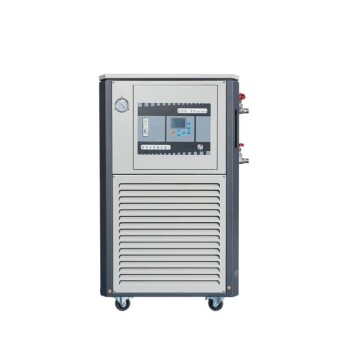
Precision control is the linchpin of reliable biodiesel simulation. In laboratory settings, the integration of batch reactors with orbital shaking and exact temperature regulation is essential for managing high-viscosity components like sunflower oil and tert-butanol. This setup guarantees effective contact with solid biocatalysts while maintaining a thermal environment that optimizes reaction rates without degrading the enzymes.
The synchronization of orbital shaking and constant temperature control bridges the gap between raw experimental data and industrial viability, ensuring that lab results are both reproducible and scalable.
Optimizing Mass Transfer Dynamics
Overcoming Viscosity Challenges
High-viscosity inputs, such as sunflower oil, present a physical barrier to efficient chemical reactions.
Without adequate mechanical intervention, these fluids fail to mix thoroughly with methanol and co-solvents like tert-butanol.
Ensuring Catalyst Contact
Precision orbital shaking provides the necessary kinetic energy to facilitate mass transfer.
This movement forces the liquid reagents into sufficient contact with the solid biocatalyst, a specific requirement for the transesterification process to proceed efficiently.
Critical Temperature Regulation
The Thermal Balancing Act
Temperature control in enzymatic reactions is a negotiation between two opposing forces.
You must apply enough heat to drive the transesterification reaction rate forward efficiently.
Preventing Enzyme Degradation
Simultaneously, the system must prevent the temperature from exceeding the enzyme's stability threshold.
A synchronized control system ensures the process stays below the point of thermal denaturation, preserving the catalyst's lifespan while maximizing output.
Understanding the Operational Trade-offs
The Narrow Window of Success
The primary challenge in this setup is maintaining the specific "optimal thermal point."
Pushing for a faster reaction rate by increasing heat carries the immediate risk of denaturing the enzyme and halting the process entirely.
This requires a system capable of rapid, precise adjustments rather than broad average temperature maintenance; failure to balance this results in erratic data that cannot be reproduced.
Making the Right Choice for Your Goal
To ensure your laboratory simulations translate into real-world success, consider these specific objectives:
- If your primary focus is Reaction Efficiency: Prioritize the calibration of orbital shaking intensity to maximize the surface area contact between viscous oils and the solid catalyst.
- If your primary focus is Scalability: Ensure your temperature control protocols rigorously maintain the balance between reaction speed and enzyme preservation to guarantee reproducible data.
Rigorous control over these physical parameters transforms a simple experiment into a predictive model for industrial production.
Summary Table:
| Feature | Function in Biodiesel Production | Key Benefit |
|---|---|---|
| Orbital Shaking | Overcomes viscosity of oils (e.g., sunflower oil) | Enhances mass transfer and reagent contact |
| Precision Temp Control | Maintains optimal thermal environment | Maximizes reaction rate while preventing enzyme denaturation |
| Batch Reactor Setup | Manages solid biocatalysts and co-solvents | Ensures reproducible and scalable experimental data |
| Kinetic Energy | Forces liquid reagents into solid catalyst contact | Improves transesterification efficiency |
Elevate Your Biodiesel Research with KINTEK Precision
Transition from experimental data to industrial viability with KINTEK’s advanced laboratory solutions. Whether you are optimizing transesterification with our high-temperature high-pressure reactors and autoclaves or refining your mixing protocols with our precision shakers and homogenizers, we provide the tools necessary for reproducible results.
KINTEK specializes in high-performance equipment for energy research, including:
- High-Temperature Reactors: Precise thermal control to prevent enzyme denaturation.
- Shaking & Milling Systems: Optimal mass transfer for high-viscosity reagents.
- Consumables & Labware: Durable PTFE products, ceramics, and crucibles for rigorous chemical environments.
Ready to scale your production models? Contact us today to find the perfect equipment for your lab!
References
- Javier A. Martínez-Sanchez, Roberto Fernández‐Lafuente. Immobilized Biocatalysts of Eversa® Transform 2.0 and Lipase from Thermomyces Lanuginosus: Comparison of Some Properties and Performance in Biodiesel Production. DOI: 10.3390/catal10070738
This article is also based on technical information from Kintek Solution Knowledge Base .
Related Products
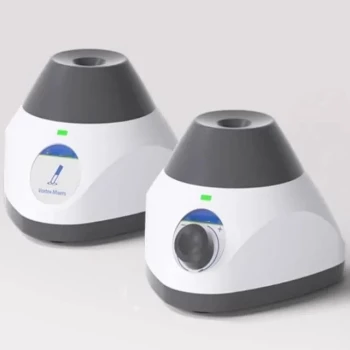
- Laboratory Vortex Mixer Orbital Shaker Multifunctional Rotation Oscillation Mixer
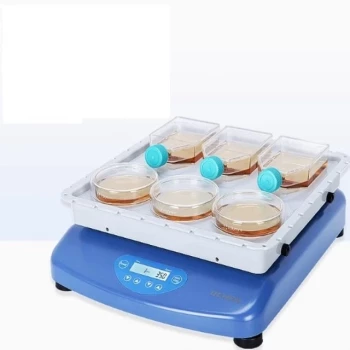
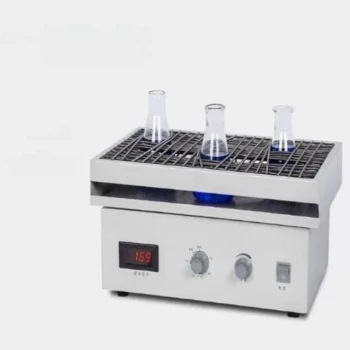
- Laboratory Oscillating Orbital Shaker
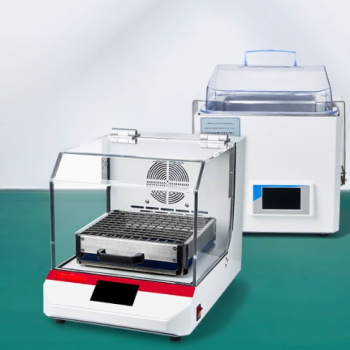
- Shaking Incubators for Diverse Laboratory Applications
- Customizable Laboratory High Temperature High Pressure Reactors for Diverse Scientific Applications
- Customizable High Pressure Reactors for Advanced Scientific and Industrial Applications
People Also Ask
- What is the role of a laboratory orbital shaker in copper recovery? Optimize Industrial Waste Liquid Processing
- What is the role of a laboratory orbital shaker in activated carbon synthesis? Maximize Pore Depth & Surface Area
- What is a laboratory mixer used for? Choose the Right Tool for Liquids or Solids
- What is a laboratory mixer? A Guide to Achieving Perfect Sample Homogeneity
- What are laboratory mixers used for? Achieve Perfect Sample Homogeneity and Reliable Results