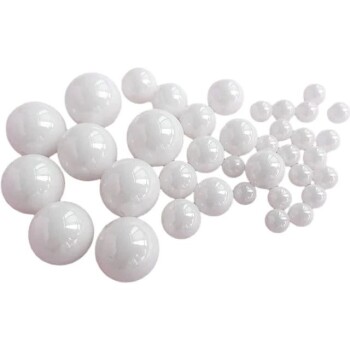
The combination of wear-resistant grinding balls and a specific 5:1 ball-to-powder ratio serves as the technical foundation for high-quality Silicon Carbide (SiC) processing. This approach directly addresses the two main challenges of milling hard ceramics: maximizing kinetic energy transfer for efficient mixing and maintaining strict chemical purity by preventing media degradation.
Success in milling Silicon Carbide relies on utilizing a high mass ratio to drive mixing efficiency while simultaneously employing hard-wearing media to prevent the grinding tools from contaminating the final product.
Maximizing Mixing Efficiency
The Mechanics of the 5:1 Ratio
Utilizing a ball-to-powder ratio of 5:1 is a strategic choice to increase the kinetic energy within the milling jar. This ratio ensures that the mass of the grinding media significantly outweighs the powder charge.
Increasing Effective Impacts
By maintaining this high ratio, you increase the frequency of effective impacts between the balls and the powder. This leads to a more uniform particle distribution in a shorter amount of time.
Boosting Total Grinding Energy
The 5:1 ratio elevates the total grinding energy delivered to the powder per unit of time. This surge in energy input is the primary driver for significantly improved mixing efficiency.
Protecting Material Purity
The Vulnerability of SiC
Silicon Carbide is an extremely hard material, but high-purity powders are vulnerable to external impurities. The abrasive nature of SiC can easily degrade standard grinding media during the high-energy milling process.
Preventing Media Wear
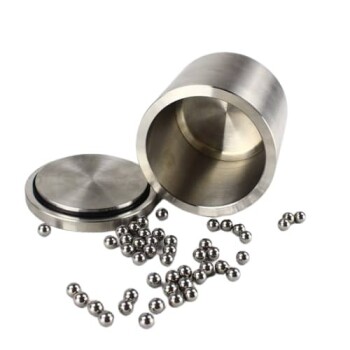
To counter this, the selection of wear-resistant grinding balls is critical. If the grinding balls wear down, that material becomes a permanent contaminant in your powder batch.
Recommended Media Materials
The industry standard for this application involves using media composed of zirconia or alumina. These materials are hard enough to withstand the milling process without shedding significant particulate matter into the SiC powder.
Understanding the Trade-offs
Cost vs. Quality
While wear-resistant media like zirconia and alumina are essential for purity, they often come at a higher initial cost compared to standard steel or lower-grade ceramics. You are trading capital expense for material integrity.
Process Intensity
A 5:1 ratio creates a high-energy environment. While this improves efficiency, it also increases the mechanical stress on the milling equipment itself, requiring robust machinery to handle the load over time.
Optimizing Your SiC Milling Process
To achieve the best results with Silicon Carbide, you must tailor your parameters to your specific quality requirements.
- If your primary focus is Chemical Purity: Prioritize the use of high-grade zirconia or alumina balls to eliminate the risk of introducing foreign contaminants.
- If your primary focus is Process Efficiency: Strictly adhere to the 5:1 ball-to-powder ratio to maximize impact frequency and reduce the total processing time required for a uniform mix.
By balancing high-energy input with durable materials, you ensure your Silicon Carbide retains its high performance characteristics without compromise.
Summary Table:
| Parameter | Technical Role | Key Benefit |
|---|---|---|
| 5:1 Mass Ratio | Increases kinetic energy and impact frequency | Superior particle uniformity and shorter milling time |
| Wear-Resistant Media | Prevents media degradation and shedding | Maintains high chemical purity by eliminating contaminants |
| Media Materials | Zirconia or Alumina (high hardness) | Protects material integrity against abrasive SiC powders |
| Process Focus | High-energy mechanical stress | Maximizes grinding energy delivery per unit of time |
Elevate Your Material Processing with KINTEK Precision Solutions
Don't let contamination or inefficient mixing compromise your Silicon Carbide research. KINTEK specializes in high-performance laboratory equipment designed for the most demanding applications. Whether you need robust crushing and milling systems, high-purity zirconia/alumina grinding media, or advanced sieving equipment and hydraulic presses, we provide the tools to ensure your material integrity.
From high-temperature furnaces to specialized battery research consumables, KINTEK is your partner in laboratory excellence. Contact our technical experts today to find the perfect equipment configuration for your specific milling and synthesis requirements!
Related Products
- Laboratory Jar Ball Mill with Alumina Zirconia Grinding Jar and Balls
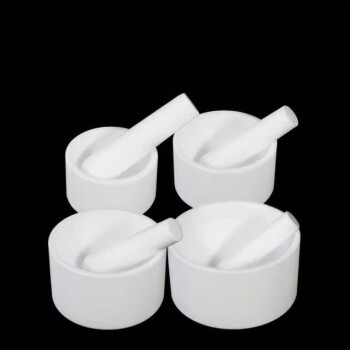
- Custom PTFE Teflon Parts Manufacturer Grinding Bowl
- Laboratory Jar Mill with Agate Grinding Jar and Balls
- Laboratory Ball Mill Jar Mill with Metal Alloy Grinding Jar and Balls
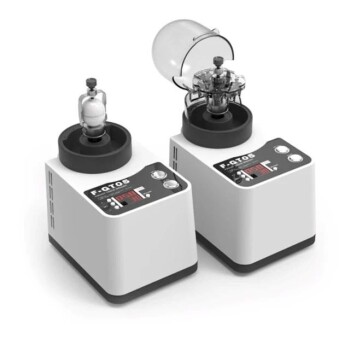
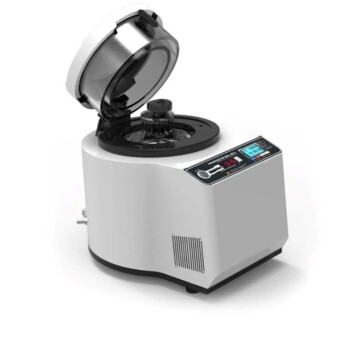
- Laboratory Micro Tissue Grinding Mill Grinder
People Also Ask
- What are the primary functions of using a ball mill for BZCY72 powder? Achieve High Purity and Enhanced Sintering
- In what way does a laboratory ball mill affect material properties when modifying PHBV/pulp fiber composites?
- Why is a laboratory ball mill required for ultra-fine fly ash? Unlock Nano-Scale Adsorption Power
- What is the function of a laboratory ball mill in the preparation of AMMCs? Optimize Dispersion & Grain Refinement
- What is the function of a laboratory ball mill in the pretreatment of waste tire char (WTC)? Optimize Material Reactivity