Knowledge thermal elements What material is a heating element? The Key Properties for Efficient and Reliable Heating
Author avatar

Tech Team · Kintek Solution

Updated 3 months ago

What material is a heating element? The Key Properties for Efficient and Reliable Heating


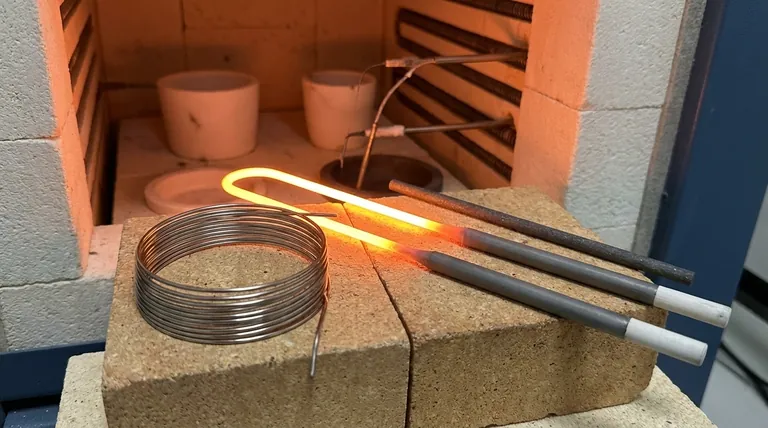
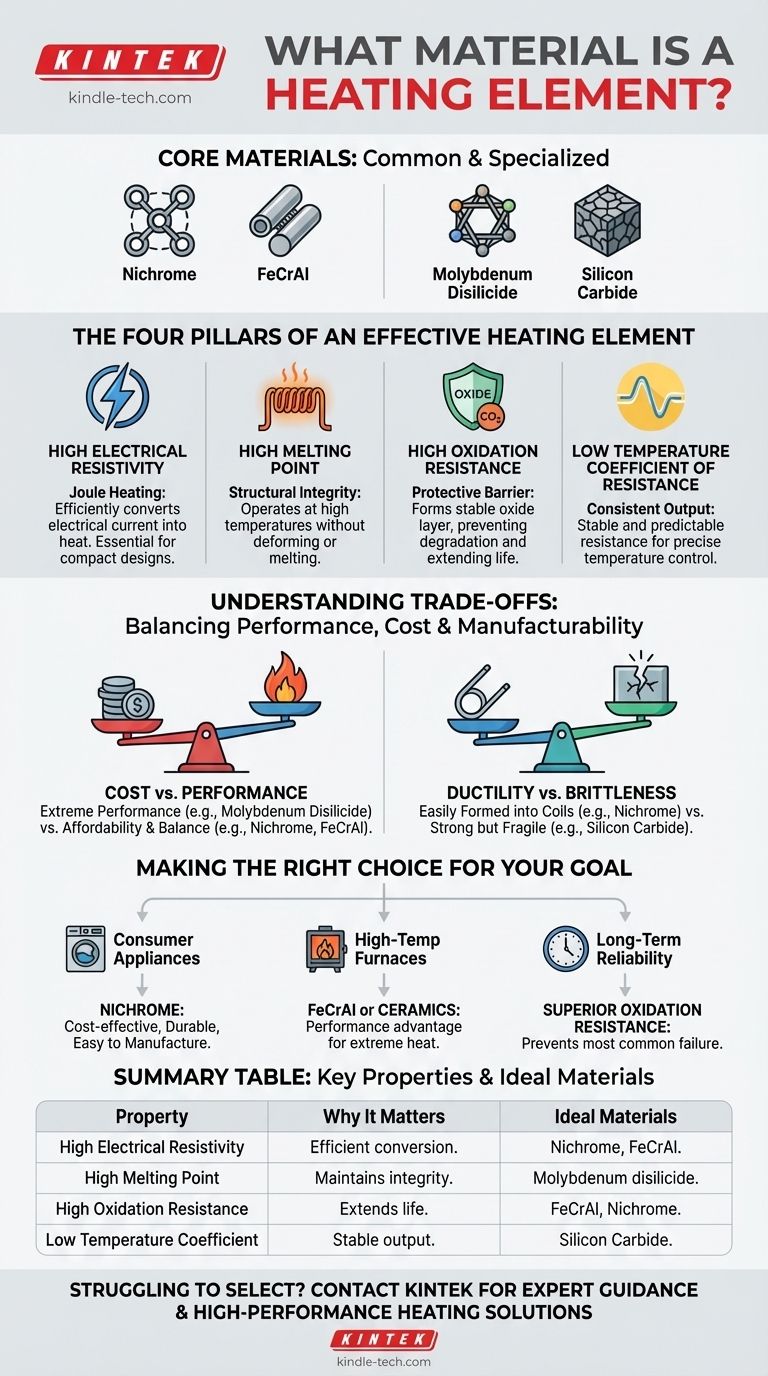
The most common heating elements are not made from a single material, but from specialized metal alloys or ceramic composites. The most widely used are nickel-chromium (Nichrome) and iron-chromium-aluminum (FeCrAl) alloys, with materials like molybdenum disilicide and silicon carbide used for more extreme industrial applications.

The specific material used for a heating element is less important than the properties it possesses. The selection is a deliberate engineering choice based on four critical characteristics: high electrical resistance, a high melting point, stability at temperature, and resistance to oxidation.
What material is a heating element? The Key Properties for Efficient and Reliable Heating

The Four Pillars of an Effective Heating Element

A material's ability to efficiently and reliably generate heat is not an accident. It is the result of a specific combination of physical properties that allow it to convert electrical energy into thermal energy without destroying itself in the process.

High Electrical Resistivity

A heating element works by resisting the flow of electricity, a principle known as Joule heating. High resistivity means the material is very effective at converting electrical current into heat.

This property allows a relatively short and thin wire to generate a significant amount of heat efficiently, which is essential for compact designs in appliances like toasters and hair dryers.

High Melting Point

This is a fundamental requirement. The material must operate at extremely high temperatures—often glowing red-hot or white-hot—without melting, softening, or deforming.

A high melting point ensures the element maintains its structural integrity and operational safety throughout its intended temperature range.

High Oxidation Resistance

At high temperatures, most metals react with oxygen in the air, causing them to degrade and fail. This process is called oxidation.

Effective heating element materials like Nichrome form a stable, protective outer layer of oxide. This layer acts as a barrier, preventing further oxidation and dramatically extending the element's service life.

Low Temperature Coefficient of Resistance

This property ensures the element's performance is stable and predictable. It means that as the material heats up, its electrical resistance does not change significantly.

An element with a low coefficient provides consistent heat output, preventing power surges or drops as it cycles through different temperatures. This is crucial for precise temperature control.

Understanding the Trade-offs

Choosing a heating element material is an exercise in balancing performance, cost, and manufacturability. No single material is perfect for every application.

Cost vs. Performance

Materials designed for extreme industrial temperatures, like molybdenum disilicide, offer incredible performance but come at a significant cost.

For consumer goods, alloys like Nichrome and FeCrAl provide an excellent balance of high performance and affordability, making them ubiquitous.

Ductility vs. Brittleness

Metal alloys like Nichrome are highly ductile, meaning they can be easily drawn into wires and formed into complex coil shapes without breaking.

In contrast, ceramic elements like silicon carbide are very strong at high temperatures but are also brittle. They cannot be easily formed and are more susceptible to physical shock.

Making the Right Choice for Your Goal

The ideal material is always dictated by the specific requirements of the application, from everyday appliances to specialized industrial equipment.

  • If your primary focus is consumer appliances: Nichrome is the standard choice, offering an ideal mix of cost-effectiveness, durability, and ease of manufacturing.
  • If your primary focus is high-temperature furnaces: FeCrAl alloys provide a performance advantage over Nichrome, while ceramics are necessary for the most extreme heat applications.
  • If your primary focus is long-term reliability: A material with superior oxidation resistance is paramount, as this is the most common cause of element failure.

Understanding these core material properties empowers you to evaluate a heating element based on its true performance capabilities.

Summary Table:

Property Why It Matters Ideal Materials
High Electrical Resistivity Efficiently converts electricity to heat Nichrome, FeCrAl
High Melting Point Maintains integrity at high temperatures Molybdenum disilicide
High Oxidation Resistance Extends service life by preventing degradation FeCrAl, Nichrome
Low Temperature Coefficient Provides stable, predictable heat output Silicon Carbide

Struggling to select the right heating element for your application? KINTEK specializes in lab equipment and consumables, providing expert guidance and high-performance heating solutions tailored to your laboratory's specific needs—whether for consumer appliances, high-temperature furnaces, or demanding industrial processes. Contact our experts today to ensure optimal efficiency, reliability, and longevity for your heating systems!

Visual Guide
What material is a heating element? The Key Properties for Efficient and Reliable Heating Visual Guide

Related Products

People Also Ask

Related Products

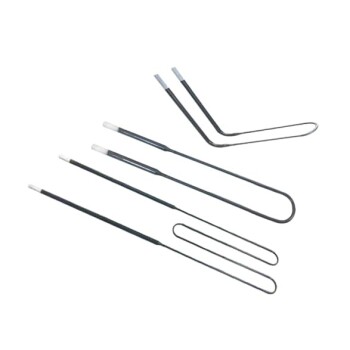
Molybdenum Disilicide (MoSi2) Thermal Elements Electric Furnace Heating Element

Molybdenum Disilicide (MoSi2) Thermal Elements Electric Furnace Heating Element

Discover the power of Molybdenum Disilicide (MoSi2) Heating Element for high-temperature resistance. Unique oxidation resistance with stable resistance value. Learn more about its benefits now!

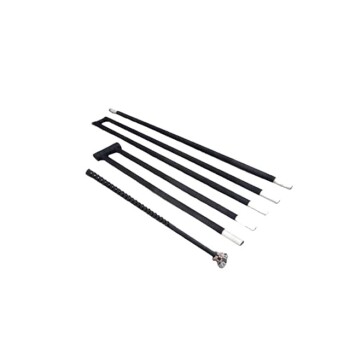
Silicon Carbide SiC Thermal Heating Elements for Electric Furnace

Silicon Carbide SiC Thermal Heating Elements for Electric Furnace

Experience the advantages of Silicon Carbide (SiC) Heating Element: Long service life, high corrosion and oxidation resistance, fast heating speed, and easy maintenance. Learn more now!

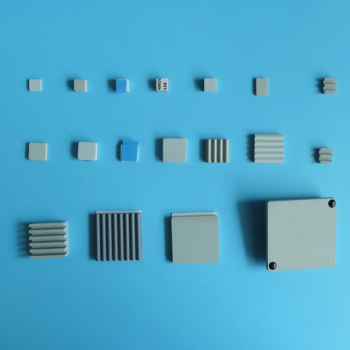
Silicon Carbide (SIC) Ceramic Sheet Flat Corrugated Heat Sink for Engineering Advanced Fine Ceramics

Silicon Carbide (SIC) Ceramic Sheet Flat Corrugated Heat Sink for Engineering Advanced Fine Ceramics

Silicon carbide (sic) ceramic heat sink not only does not generate electromagnetic waves, but also can isolate electromagnetic waves and absorb part of electromagnetic waves.

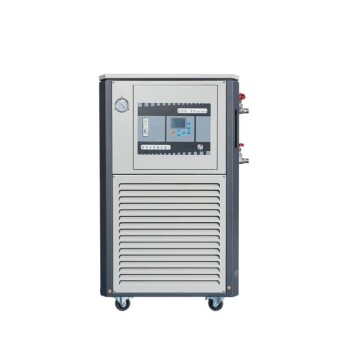
10L Heating Chilling Circulator Cooling Water Bath Circulator for High and Low Temperature Constant Temperature Reaction

10L Heating Chilling Circulator Cooling Water Bath Circulator for High and Low Temperature Constant Temperature Reaction

Experience efficient lab performance with KinTek KCBH 10L Heating Chilling Circulator. Its all-in-one design offers reliable heating, chilling, and circulating functions for industrial and lab use.

50L Heating Chilling Circulator Cooling Water Bath Circulator for High and Low Temperature Constant Temperature Reaction

50L Heating Chilling Circulator Cooling Water Bath Circulator for High and Low Temperature Constant Temperature Reaction

Experience versatile heating, chilling, and circulating capabilities with our KinTek KCBH 50L Heating Chilling Circulator. Ideal for labs and industrial settings, with efficient and reliable performance.

Double Plate Heating Press Mold for Lab

Double Plate Heating Press Mold for Lab

Discover precision in heating with our Double Plate Heating Mold, featuring high-quality steel and uniform temperature control for efficient lab processes. Ideal for various thermal applications.

Engineering Advanced Fine Ceramics Aluminum Oxide Al2O3 Heat Sink for Insulation

Engineering Advanced Fine Ceramics Aluminum Oxide Al2O3 Heat Sink for Insulation

The hole structure of the ceramic heat sink increases the heat dissipation area in contact with the air, which greatly enhances the heat dissipation effect, and the heat dissipation effect is better than that of super copper and aluminum.

High Temperature Constant Temperature Heating Circulator Water Bath Chiller Circulator for Reaction Bath

High Temperature Constant Temperature Heating Circulator Water Bath Chiller Circulator for Reaction Bath

Efficient and reliable, KinTek KHB Heating Circulator is perfect for your lab needs. With a max. heating temperature of up to 300℃, it features accurate temperature control and fast heating.

30L Heating Chilling Circulator Cooling Water Bath Circulator for High and Low Temperature Constant Temperature Reaction

30L Heating Chilling Circulator Cooling Water Bath Circulator for High and Low Temperature Constant Temperature Reaction

Get versatile lab performance with KinTek KCBH 30L Heating Chilling Circulator. With max. heating temp of 200℃ and max. chilling temp of -80℃, it's perfect for industrial needs.

100L Heating Chilling Circulator Cooling Water Bath Circulator for High and Low Temperature Constant Temperature Reaction

100L Heating Chilling Circulator Cooling Water Bath Circulator for High and Low Temperature Constant Temperature Reaction

Get all-in-one heating, chilling, and circulating capabilities with our KinTek KCBH 80L Heating Chilling Circulator. High efficiency, reliable performance for labs and industrial applications.

5L Heating Chilling Circulator Cooling Water Bath Circulator for High and Low Temperature Constant Temperature Reaction

5L Heating Chilling Circulator Cooling Water Bath Circulator for High and Low Temperature Constant Temperature Reaction

KinTek KCBH 5L Heating Chilling Circulator - Ideal for labs and industrial conditions with multi-functional design and reliable performance.

20L Heating Chilling Circulator Cooling Water Bath Circulator for High and Low Temperature Constant Temperature Reaction

20L Heating Chilling Circulator Cooling Water Bath Circulator for High and Low Temperature Constant Temperature Reaction

Maximize lab productivity with KinTek KCBH 20L Heating Chilling Circulator. Its all-in-one design offers reliable heating, chilling, and circulating functions for industrial and lab use.

Laboratory Small Constant Temperature Heated Magnetic Stirrer Heater and Stirrer

Laboratory Small Constant Temperature Heated Magnetic Stirrer Heater and Stirrer

The Laboratory Small Constant Temperature Heating Magnetic Stirrer is a versatile tool designed for precise temperature control and efficient mixing in various laboratory applications.

Electron Beam Evaporation Coating Conductive Boron Nitride Crucible BN Crucible

Electron Beam Evaporation Coating Conductive Boron Nitride Crucible BN Crucible

High-purity and smooth conductive boron nitride crucible for electron beam evaporation coating, with high temperature and thermal cycling performance.

Automatic High Temperature Heated Hydraulic Press Machine with Heated Plates for Lab

Automatic High Temperature Heated Hydraulic Press Machine with Heated Plates for Lab

The High Temperature Hot Press is a machine specifically designed for pressing, sintering and processing materials in a high temperature environment. It is capable of operating in the range of hundreds of degrees Celsius to thousands of degrees Celsius for a variety of high temperature process requirements.

Manual High Temperature Heated Hydraulic Press Machine with Heated Plates for Lab

Manual High Temperature Heated Hydraulic Press Machine with Heated Plates for Lab

The High Temperature Hot Press is a machine specifically designed for pressing, sintering and processing materials in a high temperature environment. It is capable of operating in the range of hundreds of degrees Celsius to thousands of degrees Celsius for a variety of high temperature process requirements.

Evaporation Boat for Organic Matter

Evaporation Boat for Organic Matter

The evaporation boat for organic matter is an important tool for precise and uniform heating during the deposition of organic materials.

Multi Heating Zones CVD Tube Furnace Machine Chemical Vapor Deposition Chamber System Equipment

Multi Heating Zones CVD Tube Furnace Machine Chemical Vapor Deposition Chamber System Equipment

KT-CTF14 Multi Heating Zones CVD Furnace - Precise Temperature Control and Gas Flow for Advanced Applications. Max temp up to 1200℃, 4 channels MFC mass flow meter, and 7" TFT touch screen controller.

Molybdenum Vacuum Heat Treat Furnace

Molybdenum Vacuum Heat Treat Furnace

Discover the benefits of a high-configuration molybdenum vacuum furnace with heat shield insulation. Ideal for high-purity, vacuum environments like sapphire crystal growth and heat treatment.

Laboratory Scientific Electric Heating Blast Drying Oven

Laboratory Scientific Electric Heating Blast Drying Oven

The desktop fast autoclave sterilizer is a compact and reliable device used for rapid sterilization of medical, pharmaceutical, and research items.


Leave Your Message