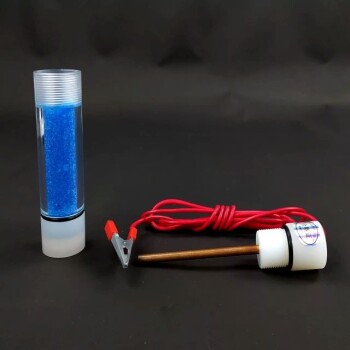
Successful utilization of a titanium electrode requires a disciplined three-phase approach: meticulous pre-check preparation, strict operational control during the experiment, and immediate post-experiment maintenance. You must prioritize protecting the active coating from current shocks, chemical poisoning, and physical damage to ensure accurate results and prolonged equipment life.
Core Takeaway The integrity of a titanium electrode relies entirely on maintaining the delicate balance of its coating; strictly controlling current density and temperature prevents the dual risks of overheating (at high limits) and hydrogen corrosion (at low limits).
Phase 1: Pre-Experiment Preparation
Before applying power, you must establish a clean and mechanically sound environment.
Inspecting Coating Integrity
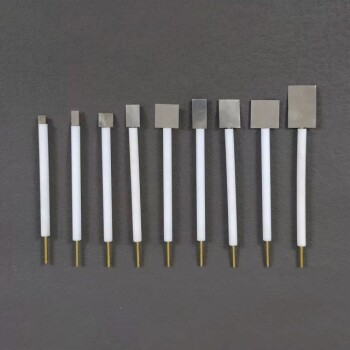
Start by visually inspecting the titanium plate's surface. Ensure the coating is complete and free from peeling, scratches, bubbling, or discoloration.
Cleaning the Surface
Clean the coating surface using deionized water or alcohol to remove any oil or dust accumulated during storage or shipping. Never use steel wool or abrasive tools, as these will scratch the coating and permanently damage the electrode.
Positioning and Alignment
Adjust the electrode spacing to fit the electrolytic cell dimensions, typically between 5-20mm. Ensure the electrode hangs vertically to prevent short-circuiting against the cell body. Wipe all clamps and fixtures with deionized water to prevent cross-contamination.
Phase 2: Operational Execution
This section outlines the critical procedures during the active experiment, based on the primary reference.
Managing Startup Current
Avoid sudden power surges. When starting the experiment, increase the current gradually—for example, at a rate of 5A/dm²/min. This prevents "current shock" that can instantly degrade the coating.
Controlling Current Density
Strictly keep the current within the coating's permissible range.
- Exceeding the upper limit causes overheating and premature failure.
- Operating below the lower limit reduces efficiency and can lead to hydrogen corrosion.
Regulating Temperature and Chemistry
Maintain the electrolyte temperature exactly as required by the process. High temperatures accelerate coating dissolution, while low temperatures cause scaling. Simultaneously, monitor pH and ion concentration to prevent impurities like Fe³⁺ and Mn²⁺, which can poison the coating.
Visual Monitoring
Continuously observe the electrode for abnormalities. If you detect uneven bubbling, color fading, sparks, or unusual noises, shut down the experiment immediately for inspection.
Phase 3: Post-Experiment Maintenance
The moments immediately following the experiment are critical for preventing latent damage.
Proper Shutdown Sequence
Do not abruptly cut the power. First, gradually reduce the current to zero, then shut off the power supply. This specific sequence prevents reverse potential, which can strip the coating.
Immediate Rinsing
Remove the electrode and rinse it immediately with deionized water. This removes residual electrolyte, preventing crystallization during drying—a common cause of corrosion, especially in high-concentration salt or acid media.
Storage and Logging
Store the electrode in a dry, ventilated environment away from corrosive gases like Chlorine (Cl₂) or Sulfur Dioxide (SO₂). Record the operating time and any changes in appearance in a service log to track the electrode's lifespan.
Common Pitfalls and Safety
Understanding the risks is just as important as knowing the steps.
The Trade-off of Cycling
Avoid frequent startups and shutdowns. The thermal and electrical stress of cycling significantly reduces the lifespan of the electrode compared to continuous operation.
Electrical Safety
Ensure all metal parts of the stand are insulated (e.g., using sleeves) to prevent electric shock. Always wear insulating gloves and never touch electrodes with wet hands.
Reference Electrode Constraints
If your experiment involves a reference electrode, avoid exposing it to extreme conditions. Excessively high temperatures, high voltages, or extreme pH levels (highly acidic or alkaline) will compromise its accuracy.
Making the Right Choice for Your Goal
- If your primary focus is Electrode Longevity: Prioritize the gradual ramping of current and ensure strict temperature controls to prevent coating dissolution.
- If your primary focus is Data Accuracy: Meticulously clean fixtures before use and monitor electrolyte impurities (Fe³⁺, Mn²⁺) to prevent coating poisoning.
Treat the electrode coating as a sensitive instrument, not just a metal plate; precise control of the electrical and chemical environment is the only way to ensure repeatable success.
Summary Table:
| Experiment Phase | Key Actions & Parameters | Critical Precautions |
|---|---|---|
| Preparation | Visual inspection & DI water/alcohol cleaning | Avoid abrasives; maintain 5-20mm spacing |
| Operational | Ramp current at 5A/dm²/min; monitor pH | Avoid current shocks; limit Fe³⁺/Mn²⁺ ions |
| Post-Exp | Gradual power down; immediate DI rinse | Prevent reverse potential and crystallization |
| Storage | Dry, ventilated area; log service hours | Protect from corrosive gases (Cl₂, SO₂) |
Maximize Your Research Precision with KINTEK
High-performance electrochemistry requires more than just the right procedure—it requires the highest quality materials. KINTEK specializes in premium electrolytic cells and electrodes, including titanium electrodes designed for durability and accuracy.
Beyond electrodes, we provide a full suite of laboratory solutions, from high-temperature furnaces and reactors to crushing systems and hydraulic presses. Whether you are working on battery research or advanced chemical synthesis, our technical experts are ready to help you optimize your setup.
Contact KINTEK today to explore our high-performance consumables and equipment!
Related Products
- Platinum Sheet Electrode for Laboratory and Industrial Applications
- Platinum Sheet Electrode for Battery Lab Applications
- Rotating Platinum Disk Electrode for Electrochemical Applications
- Platinum Auxiliary Electrode for Laboratory Use
- High-Purity Titanium Foil and Sheet for Industrial Applications
People Also Ask
- What is a common use for a platinum sheet electrode? As a Reliable Counter Electrode in Electrochemical Cells
- What is the most critical guideline for immersing a platinum sheet electrode in an electrolyte? Ensure Accurate Electrochemical Measurements
- What is the purity of the platinum sheet in a platinum sheet electrode? The Key to Reliable Electrochemical Data
- What is the expected lifespan of a platinum sheet electrode? Maximize Your Electrode's Service Life
- What are the available specifications for platinum sheet electrodes? Find the Perfect Fit for Your Electrochemical Needs