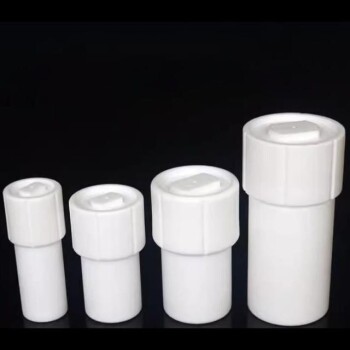
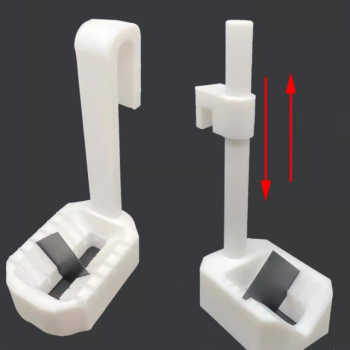
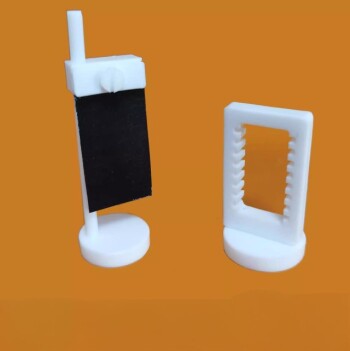
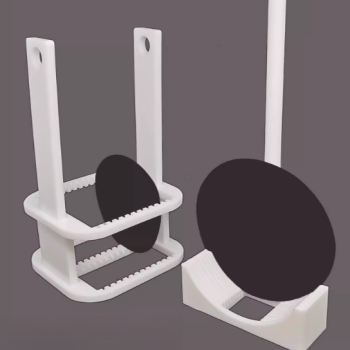
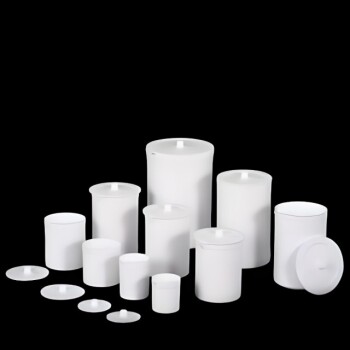
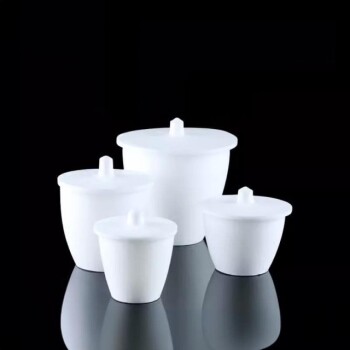
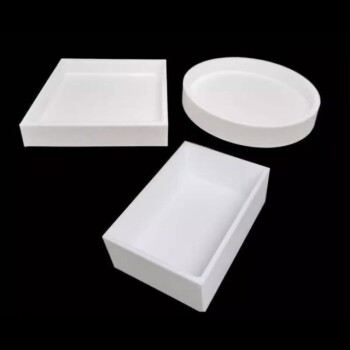
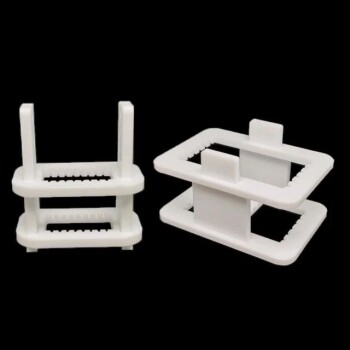
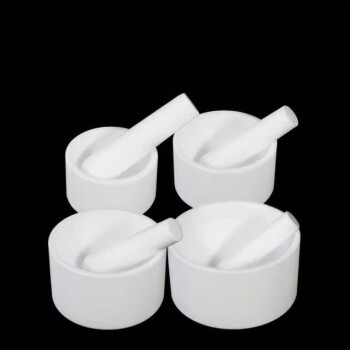
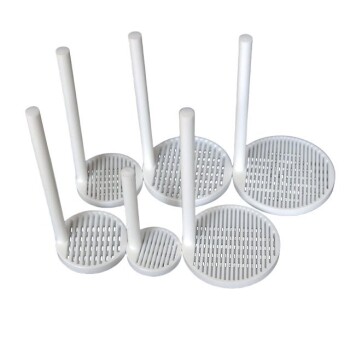
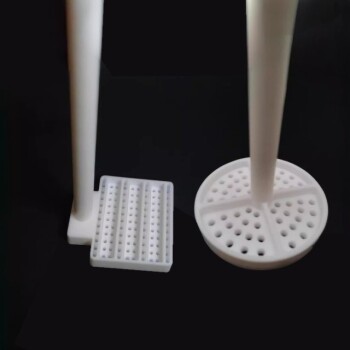
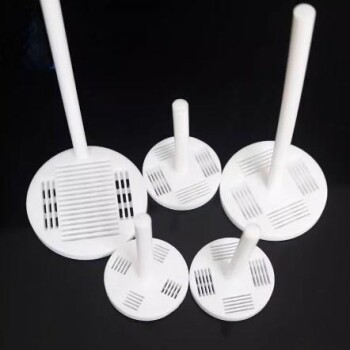
The CNC-machined PTFE support plate functions as the critical physical interface between theoretical design and operational reality. Inside the reactor, its primary role is to securely hold coiled PFA digestion tubes in a precise, fixed configuration. By utilizing pre-engineered positioning holes, the plate ensures the physical arrangement of the tubing aligns perfectly with parameters derived from microwave field simulations.
The support plate is not merely a holder; it is a calibration tool. It guarantees that the fluid flowing through the reactor experiences the exact thermal conditions predicted by engineering simulations, preventing hot spots or uneven digestion.
The Intersection of Geometry and Thermodynamics
The effectiveness of a microwave reactor for flow digestion relies heavily on where the sample is located relative to the microwave field.
Translating Simulation to Reality
Engineers use complex simulations to calculate exactly where microwave energy is most consistent within the reactor cavity.
However, this data is useless without a mechanism to place the sample in those exact coordinates.
The PTFE support plate bridges this gap. Its CNC-machined holes force the tubing into the specific geometry required to match the simulation's "sweet spots."
Achieving Uniform Heating
In flow digestion, the fluid moves continuously through the tubing coils.
If the coils shift or sag, the fluid enters areas of inconsistent energy density.
The rigid support plate prevents this movement, ensuring every segment of the tubing remains in the optimal position for uniform heat distribution.
The Importance of Material and Precision
Why CNC Machining is Required
Standard molding techniques often lack the tight tolerances necessary for this application.
CNC machining allows for the creation of "pre-engineered" positioning holes with extreme accuracy.
This precision is vital because even minor deviations in tubing placement can disrupt the expected heating profile.
The Role of PTFE
While the primary reference focuses on mechanics, the choice of PTFE (Polytetrafluoroethylene) is strategic.
It provides a robust structural framework that does not interfere with the microwave field or degrade under the chemical stress of digestion protocols.
Understanding the Engineering Constraints
While the support plate ensures precision, it introduces a constraint regarding flexibility.
The Trade-off of Fixed Geometry
Because the plate is machined based on specific simulation parameters, the reactor setup becomes specialized.
You cannot arbitrarily re-route tubing or change coil density without machining a new plate.
The system trades adaptability for the assurance of highly repeatable, simulation-backed performance.
Maximizing Reactor Efficiency
To get the most out of your flow digestion setup, consider how the support plate aligns with your operational goals.
- If your primary focus is Reproducibility: Rely on the fixed geometry of the support plate to eliminate variable user error in tubing setup between runs.
- If your primary focus is Process Validation: Use the plate's adherence to simulation data as evidence that your heating parameters are theoretically optimized and physically verified.
The support plate turns a chaotic coil of tubing into a precision-engineered instrument for consistent chemical digestion.
Summary Table:
| Feature | Function in Microwave Reactor | Impact on Performance |
|---|---|---|
| CNC Precision | Aligns tubing with microwave 'sweet spots' | Matches physical setup to simulation |
| Rigid PTFE Body | Maintains fixed coil geometry during flow | Prevents hot spots and thermal sagging |
| Material Inertness | Resists chemical stress and microwave interference | Ensures long-term durability and safety |
| Pre-engineered Holes | Eliminates manual tubing placement errors | Guarantees highly repeatable results |
Elevate Your Flow Digestion Performance with KINTEK
Precision is the backbone of successful laboratory outcomes. At KINTEK, we specialize in providing high-performance laboratory equipment and consumables designed for the most demanding applications. Whether you are optimizing microwave reactors with our custom-machined PTFE products and ceramics, or scaling your research with high-temperature high-pressure reactors and autoclaves, we deliver the tools you need for absolute reproducibility.
From crushing and milling systems to advanced battery research tools, our comprehensive portfolio supports your entire workflow. Don't settle for approximate results—achieve simulation-backed precision today.
Ready to optimize your lab's efficiency? Contact our technical experts today to find the perfect solution for your specific research needs.
References
- Franz Hallwirth, Helmar Wiltsche. An improved digestion coil arrangement for high-pressure microwave-assisted flow digestion. DOI: 10.1039/d3ja00242j
This article is also based on technical information from Kintek Solution Knowledge Base .
Related Products
- Custom PTFE Teflon Parts Manufacturer for Microwave Digestion Tank
- Custom PTFE Wafer Holders for Lab and Semiconductor Processing
- Custom PTFE Teflon Parts Manufacturer for Hydrothermal Synthesis Reactor Polytetrafluoroethylene Carbon Paper and Carbon Cloth Nano-growth
- Customizable PTFE Wafer Carriers for Semiconductor and Lab Applications
- Custom PTFE Teflon Parts Manufacturer PTFE Beaker and Lids
People Also Ask
- Why are PTFE containers required for PCT leaching tests? Ensure Chemical Inertness and Analytical Precision
- Why use high-quality PTFE containers for CO2 reduction electrolytes? Eliminate silicon contamination and ensure data.
- Why is PTFE Mandatory for Hydrofluoric Acid (HF) Handling? Ensure Safety and Data Integrity in Corrosion Testing
- Why is a PTFE container required for acid leaching of silicon nanosheets? Ensure High Purity and Safety
- Why are polytetrafluoroethylene (PTFE) containers essential for assessing the corrosion resistance of glassified waste?