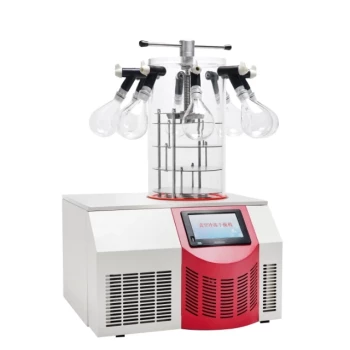
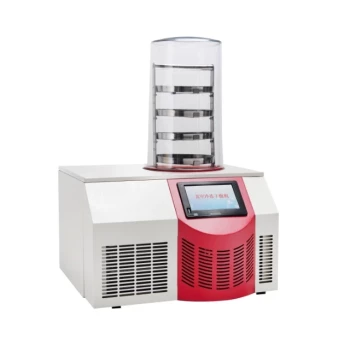
A precision laboratory drying oven acts as a strict thermal regulator throughout the synthesis of Graphene Oxide-Polyaniline (GO-PANI) nanocomposites, serving a dual purpose beyond simple drying. It maintains a constant low-temperature environment (25°C) to facilitate day-long polymerization reactions and manages the staged removal of solvents at slightly elevated temperatures (30°C–40°C) to preserve the material's delicate nanostructure.
Core Takeaway The oven’s primary value lies in preventing thermal degradation and morphological collapse during synthesis. By strictly maintaining low-range temperatures, it ensures the final nanocomposite retains the high electrochemical activity and regular powder morphology required for advanced applications.
The Critical Role of Thermal Stability
Facilitating Low-Temperature Polymerization
The precision oven is not utilized solely for removing moisture; it is integral to the chemical reaction itself. According to standard synthesis protocols, the oven maintains a constant 25°C environment for polymerization reactions that can last an entire day.
This precise thermal regulation ensures that the polymerization of aniline onto the graphene oxide sheets occurs at a controlled rate. Fluctuations in ambient temperature could alter reaction kinetics, leading to inconsistent composite quality.
Staged Solvent Removal
Post-reaction, the removal of solvents and excess moisture is a delicate process that requires a "staged" approach rather than rapid heating. The oven is set to specific, incremental temperatures—typically 30°C and 40°C—to gently drive off volatiles.
This gradual increase allows for the evaporation of residual water and solvents without subjecting the material to thermal shock.
Preserving Morphology and Activity
Preventing Polymer Degradation
Polyaniline (PANI) chains are sensitive to high heat, which can break down their chemical structure. The primary function of the precision oven is to prevent thermal degradation of the polymer backbone.
By capping temperatures at low thresholds, the oven ensures the polymer remains chemically active. This directly influences the final conductivity and performance of the nanocomposite.
Ensuring Regular Morphology
The physical structure of the nanocomposite—its morphology—is just as critical as its chemical composition. Rapid heating or uncontrolled drying can cause the collapse of nanostructures or the Polyaniline nanofibers.
The precision oven ensures the final product emerges as a highly active, powdered nanocomposite. This controlled environment creates a regular, porous morphology, which is essential for maximizing the surface area available for electron transfer.
Understanding the Trade-offs
Process Speed vs. Material Quality
The use of a precision oven for GO-PANI synthesis prioritizes material integrity over speed. Operating at low temperatures (25°C–40°C) significantly extends the processing time compared to high-heat drying methods.
Attempts to accelerate this process by raising temperatures to standard drying levels (e.g., >80°C) often result in agglomeration or pore collapse. This sacrifice of time is necessary to avoid "baking" the reactivity out of the material.
Sensitivity to Temperature Fluctuations
While the equipment is labeled as a "drying oven," its role here is closer to an incubator. Standard ovens with wide temperature swings are unsuitable for this application.
Even minor overshoots in temperature during the polymerization phase can lead to structural irregularities. Therefore, the equipment must offer high-precision temperature stability, not just high heat capacity.
Making the Right Choice for Your Goal
To maximize the quality of your GO-PANI nanocomposites, tailor your oven usage to your specific synthesis targets:
- If your primary focus is Chemical Reactivity: strictly maintain the oven at 25°C during the reaction phase to ensure uniform polymerization without thermal stress.
- If your primary focus is Structural Integrity: utilize the staged drying approach (30°C then 40°C) to prevent pore collapse and ensure a fine, regular powder morphology.
Success in GO-PANI synthesis depends less on how much heat you apply, and more on how precisely you control it.
Summary Table:
| Process Phase | Temperature | Key Objective |
|---|---|---|
| Polymerization | 25°C | Ensures uniform chemical reaction kinetics |
| Staged Drying | 30°C – 40°C | Gentle solvent removal without thermal shock |
| Material Preservation | Low Threshold | Prevents PANI degradation & morphological collapse |
| Final Output | Precision Control | Produces high-surface-area, active powders |
Elevate Your Material Research with KINTEK Precision
Precise thermal stability is the difference between a high-performance nanocomposite and a degraded sample. KINTEK specializes in high-quality laboratory equipment designed for the most sensitive synthesis workflows. From high-precision drying ovens and high-temperature furnaces (muffle, vacuum, CVD) to crushing systems and pellet presses, we provide the tools necessary to ensure your research yields consistent, high-activity results.
Ready to optimize your lab's thermal processing? Contact us today to find the perfect equipment solution for your GO-PANI research!
References
- Asim Ali Yaqoob, Ahmad Moid AlAmmari. Cellulose Derived Graphene/Polyaniline Nanocomposite Anode for Energy Generation and Bioremediation of Toxic Metals via Benthic Microbial Fuel Cells. DOI: 10.3390/polym13010135
This article is also based on technical information from Kintek Solution Knowledge Base .
Related Products
- Laboratory Scientific Electric Heating Blast Drying Oven
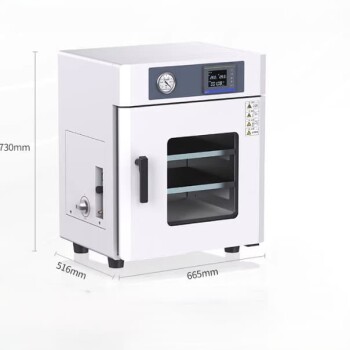
- 56L Vertical Laboratory Vacuum Drying Oven
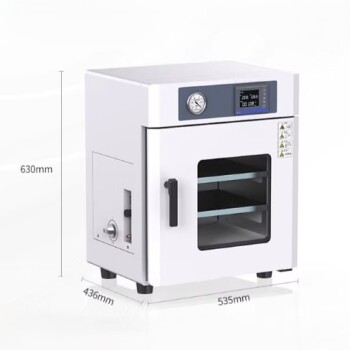
- 23L Laboratory Vacuum Drying Oven
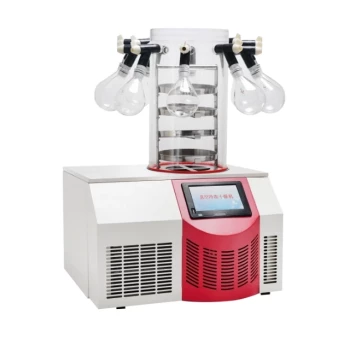
- High Performance Laboratory Freeze Dryer
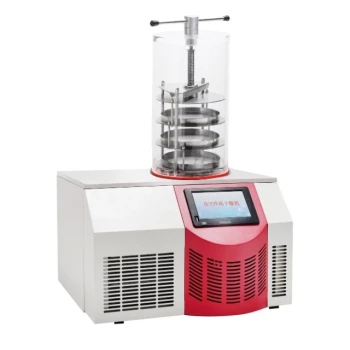
- High Performance Laboratory Freeze Dryer for Research and Development
People Also Ask
- How does a laboratory electric drying oven contribute to the formation of the initial coating? Expert Insights
- What role does a laboratory drying oven play in the preparation of zinc oxide nanoparticle precursors?
- What is the necessity of using a laboratory drying oven when processing MoO3/GO composite nanopowders? Find out here.
- What is the role of a laboratory drying oven in cellulose citrate production? Ensure Material Stability & Purity
- Why is a laboratory drying oven essential for biomass liquefaction? Ensure Accurate Conversion Rate Calculations