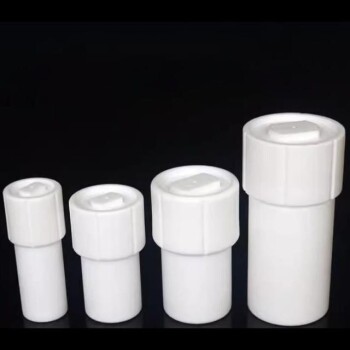
A transesterification reactor functions as a precision control vessel designed to overcome the natural resistance between microbial lipids and methanol. It primarily provides a stable thermal environment—often maintaining temperatures around 60°C via an integrated heating jacket—while simultaneously generating high-efficiency mass transfer through vigorous mechanical stirring. This dual approach ensures the necessary contact time and kinetic energy for the chemical conversion to occur effectively.
Success in biodiesel production relies on bridging the physical gap between immiscible reactants. The reactor achieves this by creating a sealed, heated, and highly agitated environment that maintains the precise molar ratios and kinetic energy required for the complete conversion of triglycerides into Fatty Acid Methyl Esters (FAME).
The Critical Role of Thermal Management
Maintaining Reaction Kinetics
To drive the chemical conversion, the reactor utilizes an integrated heating jacket. This system ensures the reaction environment remains at a constant, specific temperature, such as 60°C.
Preserving Reactant Ratios
Because methanol is a low-boiling point solvent, it is prone to rapid evaporation when heated. A specialized, high-pressure sealed reactor structure is necessary to trap these vapors.
Stabilizing the System
By preventing solvent loss, the sealed environment maintains a stable molar ratio of alcohol to oil. This consistency is vital for ensuring the reaction proceeds to completion without stalling due to reactant depletion.
Overcoming Mass Transfer Limitations
Managing a Heterogeneous System
The mixture of microbial lipids, methanol, and catalysts is a heterogeneous system, meaning the components do not mix naturally. Left alone, these distinct phases would result in poor contact and low conversion rates.
High-Efficiency Agitation
To solve this, the reactor employs a high-efficiency, constant-speed stirring system. This mechanism provides the physical force necessary to blend the immiscible layers.
Facilitating Molecular Collisions
The stirring system drives "mass transfer kinetics" by forcing frequent collisions between oil and alcohol molecules. This mechanical energy is just as critical as thermal energy in producing high-quality biodiesel.
Understanding the Trade-offs
Managing Autogenous Pressure
Heating a sealed vessel containing volatile solvents like methanol inevitably creates autogenous pressure. While this pressure helps force the reaction, the reactor vessel must be robustly designed to withstand these internal stresses safely.
The Sensitivity of Temperature Control
There is a fine line in thermal management; the temperature must be high enough to stimulate kinetics but controlled enough to prevent excessive pressure buildup or degradation of the biological lipids.
Making the Right Choice for Your Goal
To optimize the conversion of microbial lipids into biodiesel, you must prioritize reactor features based on your specific processing needs:
- If your primary focus is Reaction Speed: Prioritize a high-efficiency stirring system to maximize mass transfer and overcome the heterogeneous nature of the mixture.
- If your primary focus is Chemical Consistency: Ensure the reactor is fully sealed and pressure-rated to prevent methanol evaporation and maintain exact molar ratios.
The reactor is not merely a container; it is an active environment that enforces the thermodynamic conditions required to turn raw biological material into fuel.
Summary Table:
| Feature | Reaction Condition Provided | Role in Biodiesel Production |
|---|---|---|
| Thermal Management | Precise 60°C Heating | Overcomes activation energy for chemical conversion |
| Mass Transfer | High-Efficiency Agitation | Blends immiscible lipids and methanol for molecular collisions |
| Sealing System | High-Pressure Containment | Prevents methanol evaporation to maintain molar ratios |
| Kinetic Control | Constant-Speed Stirring | Ensures system homogeneity and drives reaction completion |
Maximize Your Biodiesel Yield with KINTEK Precision Reactors
To transform raw microbial lipids into high-quality fuel, you need more than just a vessel—you need a precision-engineered environment. KINTEK specializes in advanced laboratory equipment designed to meet the rigorous demands of chemical research. Our range of high-temperature high-pressure reactors and autoclaves provides the thermal stability and agitation efficiency required to overcome mass transfer limitations and maintain exact reactant ratios.
Whether you are scaling up your biodiesel production or refining catalyst performance, KINTEK offers the specialized tools you need, including crushing and milling systems for feedstock preparation and cooling solutions for product stabilization. Let our experts help you select the ideal reactor configuration for your specific processing goals.
Enhance your lab's efficiency—contact KINTEK today!
References
- Lalit Kumar, Patrick Drogui. Cost, energy and GHG emission assessment for microbial biodiesel production through valorization of municipal sludge and crude glycerol. DOI: 10.1016/j.biortech.2019.122404
This article is also based on technical information from Kintek Solution Knowledge Base .
Related Products
- Custom PTFE Teflon Parts Manufacturer for Hydrothermal Synthesis Reactor Polytetrafluoroethylene Carbon Paper and Carbon Cloth Nano-growth
- Custom PTFE Teflon Parts Manufacturer for Microwave Digestion Tank
- High Pressure Laboratory Autoclave Reactor for Hydrothermal Synthesis
- Customizable Laboratory High Temperature High Pressure Reactors for Diverse Scientific Applications
- Electric Rotary Kiln Small Rotary Furnace Biomass Pyrolysis Plant
People Also Ask
- What is the function of a PTFE reactor in MXene etching? Ensure Safe, High-Purity MAX Phase Conversion
- Why is a PTFE reactor required for titanium-based nano-ceramic coating solutions? Ensure Chemical Inertness & Purity
- Why must a Polytetrafluoroethylene (PTFE) reactor be used for Ti3C2TX MXene etching? Ensure Safety and Purity
- Why are PTFE reactors preferred for silver phosphate glass testing? Ensure Purity and Kinetic Accuracy
- What are the advantages of using polytetrafluoroethylene (PTFE) liners in hydrothermal synthesis reactors? High Purity