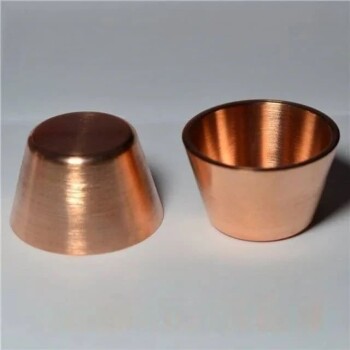
Porcelain is the preferred material for pigment synthesis because it offers a critical dual-layer of protection: exceptional chemical inertness and high thermal shock resistance. When grinding corrosive substances or melting mixtures at high heat, porcelain ensures the vessel does not react with the ingredients, preventing the container itself from contaminating the chemical process.
Core Insight: In pigment synthesis, the purity of the final color is dictated by the stability of the reaction vessel. Porcelain is used because it resists corrosion from strong alkalis and withstands rapid temperature changes, ensuring the final pigment remains free of leached impurities.
The Critical Role of Chemical Inertness
Resisting Corrosive Alkalis
Pigment synthesis often requires grinding strong chemical agents, such as potassium hydroxide mixed with chromates. These substances are highly caustic and can eat away at lesser materials.
Porcelain is chemically stable, meaning it does not react with these strong alkalis. This allows for vigorous grinding and mixing without the risk of the bowl dissolving or corroding.
Preventing Contamination and Leaching
If a reaction vessel corrodes, components of the container leach into the pigment mixture. This introduces impurities that can ruin the chemical structure of the pigment.
By using porcelain, you prevent these foreign elements from entering the mix. This is essential for achieving specific outcomes, such as the pure emerald green color required in chromium-based pigments.
Managing Extreme Temperatures
Withstanding Thermal Shock
The synthesis process involves moving from mechanical grinding to high-temperature melting. This transition creates significant thermal stress.
Porcelain has excellent thermal shock resistance. It can endure the rapid rise in temperature required to melt the chemical mixture without cracking or shattering, ensuring the safety of the procedure.
Stability During the Melting Phase
During the melting stage, the container must maintain its structural integrity while holding molten chemicals.
Porcelain maintains its shape and strength even under high heat. This reliability allows for the complete processing of the pigment precursors without the risk of vessel failure.
Understanding the Trade-offs
Physical Fragility
While porcelain is thermally and chemically strong, it remains a ceramic material. It has low impact resistance compared to metals and will shatter if dropped or subjected to blunt force.
Specific Chemical Limitations
The primary reference highlights resistance to alkalis. However, no material is universally inert. Users should verify that porcelain is suitable if their specific recipe involves reagents other than the potassium hydroxide and chromate mixtures described here.
Ensuring Success in Pigment Synthesis
To achieve professional-grade results, align your equipment choice with your synthesis goals:
- If your primary focus is Color Purity: Use porcelain to prevent container leaching that causes dull or muddy pigment tones.
- If your primary focus is Process Safety: Rely on porcelain to handle the transition from abrasive grinding to high-heat melting without structural failure.
The quality of your equipment is just as vital as your chemical formula; using porcelain ensures your chemistry remains contained and pure.
Summary Table:
| Feature | Benefit in Pigment Synthesis |
|---|---|
| Chemical Inertness | Prevents vessel corrosion and leaching of impurities into pigments |
| Thermal Resistance | Withstands rapid temperature spikes during the melting phase without cracking |
| Alkali Stability | Safely handles caustic reagents like potassium hydroxide and chromates |
| Material Integrity | Maintains structural shape under high heat to ensure process safety |
Elevate Your Lab's Precision with KINTEK
Achieving the perfect pigment requires uncompromising material purity and equipment that can withstand the rigors of high-heat chemical reactions. At KINTEK, we specialize in providing high-performance laboratory equipment and consumables tailored for advanced material research.
Whether you need robust ceramics and crucibles for pigment synthesis, precision crushing and milling systems, or advanced high-temperature furnaces (muffle, tube, vacuum), our solutions ensure your chemical processes remain uncontaminated and efficient.
Ready to upgrade your laboratory capabilities? Contact us today to explore our comprehensive range of high-temperature reactors, hydraulic presses, and specialized consumables designed for professionals who demand excellence.
References
- Bakhriddin Turakulov, Yury Liseitsev. Research on the Production of Pigments Based on Composite Pellets in the Recycling of Industrial Waste. DOI: 10.3390/jcs7070289
This article is also based on technical information from Kintek Solution Knowledge Base .
Related Products
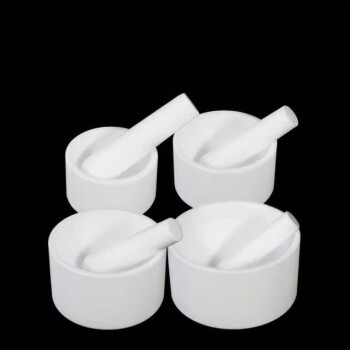
- Custom PTFE Teflon Parts Manufacturer Grinding Bowl
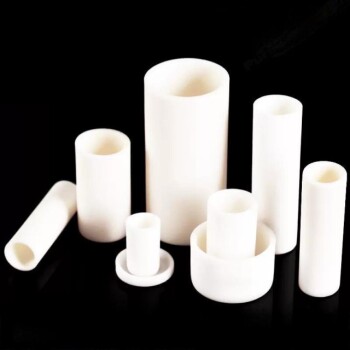
- Engineering Advanced Fine Ceramics Alumina Al2O3 Crucible With Lid Cylindrical Laboratory Crucible
- Engineering Advanced Fine Ceramics Alumina Crucibles (Al2O3) for Thermal Analysis TGA DTA
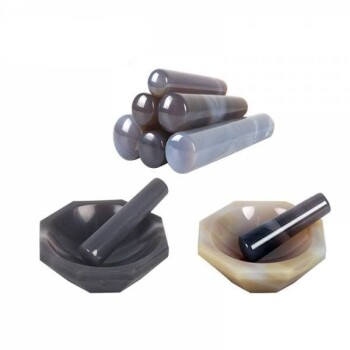
- Nature Agate Mortar and Pestle for Grinding and Mixing
- Arc-Shaped Alumina Ceramic Crucible High Temperature Resistant for Engineering Advanced Fine Ceramics
People Also Ask
- What is the purpose of using a grinding bowl? Achieve Perfect Electrode Slurry Homogeneity
- How is PTFE utilized for insulation in Alloy 22 corrosion setups? Ensure Signal Purity & Accuracy
- What are the specific applications of PTFE in micro-batch slug flow systems? Enhance Your Microfluidic Reaction Purity
- Is PTFE corrosion resistant? Discover the Ultimate Chemical Resistance for Your Lab
- What is the primary function of PTFE in Gas Diffusion Electrodes (GDE)? Ensure Peak Electrochemical Performance