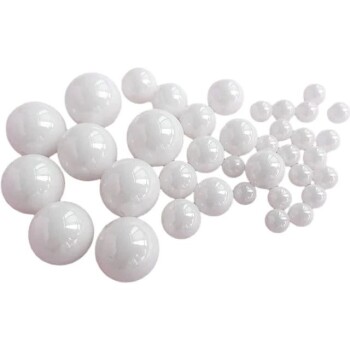
Zirconia grinding media is the industry standard for this application because it combines extreme hardness with chemical inertness to ensure absolute material purity. By using zirconia jars and balls, manufacturers prevent the introduction of metallic impurities—such as iron or chromium—during the high-energy milling process, which is critical for maintaining the electrochemical stability and performance of composite sulfur electrodes.
The mechanical milling of sulfide electrolytes requires violent, high-speed impact to achieve the necessary material structure. Zirconia is preferred because its superior wear resistance withstands this physical stress without degrading, ensuring the final powder remains free of contaminants that would otherwise ruin the battery's cycle life.
The Critical Importance of Purity
Eliminating Metal Contamination
Standard stainless steel milling tools will degrade under high-energy impact, shedding microscopic metal particles into the mixture. Zirconia is chemically inert, meaning it does not react with the sulfide electrolyte composites.
Preventing Electrochemical Degradation
Even trace amounts of metal impurities, like iron or chromium, can be catastrophic for a battery. These contaminants often catalyze unwanted side reactions within the sulfur electrode. By using zirconia, you preserve the chemical integrity of the solid electrolyte, which is vital for preventing performance degradation during cycling.
Withstanding High-Energy Forces
Superior Hardness and Wear Resistance
Mechanical milling involves prolonged durations of high-speed impact, often lasting several hours at speeds up to 600 rpm. Zirconia possesses extreme hardness, allowing it to endure this punishment without chipping or wearing down.
High Density for Effective Amorphization
Zirconia is significantly denser than other ceramics like alumina. This high density translates to higher kinetic energy when the balls impact the powder. This energy is essential for promoting the amorphization of the materials, a structural change often required to maximize ionic conductivity in sulfide electrolytes.
Understanding the Trade-offs
Cost vs. Performance
While zirconia offers superior technical performance, it is significantly more expensive than stainless steel or alumina. However, in the context of sulfur electrodes, the cost is justified because the "cheaper" alternatives result in contamination that renders the battery materials unusable.
Thermal Considerations
Zirconia is a thermal insulator, unlike metal which conducts heat. During high-energy milling, heat can build up inside the jar more rapidly than in steel containers. Operators must monitor process temperatures to ensure the heat generated by the friction and impact does not degrade the temperature-sensitive sulfur compounds.
Making the Right Choice for Your Project
While zirconia is the preferred default, understanding your specific goals helps confirm the decision:
- If your primary focus is Electrochemical Stability: Use zirconia exclusively to prevent metal poisoning and side reactions that shorten battery life.
- If your primary focus is Process Efficiency: Rely on zirconia’s high density to deliver the high-impact energy needed to amorphize materials faster than lower-density ceramics.
Zirconia represents the necessary investment in material purity required to unlock the full potential of high-performance sulfur batteries.
Summary Table:
| Feature | Zirconia Grinding Media | Impact on Sulfur Electrodes |
|---|---|---|
| Chemical Inertness | Prevents reactions with sulfides | Maintains electrochemical stability and cycle life |
| Extreme Hardness | Exceptional wear resistance | Eliminates metal contamination (iron/chromium) |
| High Density | Delivers high kinetic energy | Promotes material amorphization and ionic conductivity |
| Thermal Properties | Thermal insulator | Requires monitoring to protect temperature-sensitive sulfur |
Elevate Your Battery Research with KINTEK
Don’t let impurities compromise your battery performance. KINTEK specializes in high-performance laboratory equipment and consumables designed for the most demanding applications. Whether you are developing sulfur electrodes or solid-state electrolytes, our zirconia grinding jars, balls, and advanced crushing and milling systems ensure the material purity and structural integrity you need.
From high-temperature furnaces and vacuum systems to precision hydraulic presses and specialized battery research tools, KINTEK provides the comprehensive solutions required for cutting-edge energy storage innovation.
Ready to optimize your milling process? Contact our technical experts today to find the perfect grinding media and laboratory solutions for your project!
Related Products
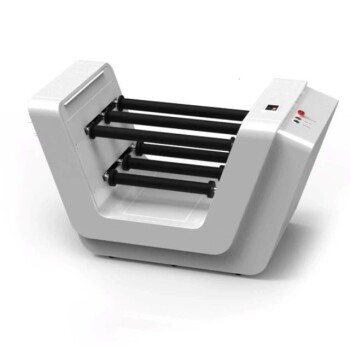
- Laboratory Jar Ball Mill with Alumina Zirconia Grinding Jar and Balls
- Precision Machined Zirconia Ceramic Ball for Engineering Advanced Fine Ceramics
- Laboratory Jar Mill with Agate Grinding Jar and Balls
- Laboratory Ball Mill Jar Mill with Metal Alloy Grinding Jar and Balls
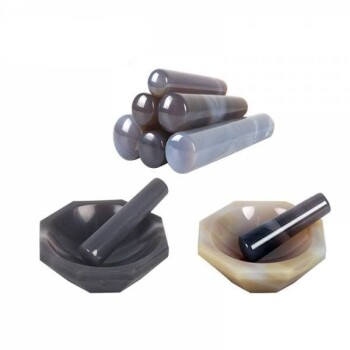
- Nature Agate Mortar and Pestle for Grinding and Mixing
People Also Ask
- What are the primary functions of using a ball mill for BZCY72 powder? Achieve High Purity and Enhanced Sintering
- In what way does a laboratory ball mill affect material properties when modifying PHBV/pulp fiber composites?
- Why is a laboratory ball mill required for ultra-fine fly ash? Unlock Nano-Scale Adsorption Power
- What is the function of a laboratory ball mill in the preparation of AMMCs? Optimize Dispersion & Grain Refinement
- What is the function of a laboratory ball mill in the pretreatment of waste tire char (WTC)? Optimize Material Reactivity