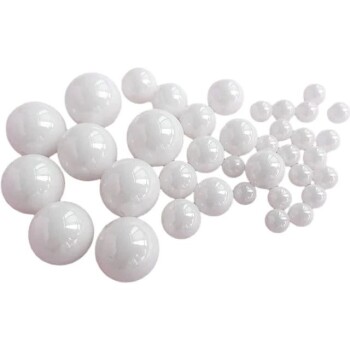
Zirconia (ZrO2) grinding media are the preferred choice for milling Ni-Co-Al alloys primarily to preserve chemical purity while withstanding extreme mechanical stress. This material offers a critical combination of chemical inertness and physical hardness that metallic alternatives, such as stainless steel, cannot match.
Core Takeaway Zirconia grinding media solve the dual challenge of high-energy milling: they endure intense impacts for extended periods without degrading, while simultaneously preventing the introduction of iron impurities that would compromise the Ni-Co-Al superalloy’s performance.
The Critical Role of Purity
Eliminating Iron Contamination
The most significant advantage of zirconia is its chemical inertness. In high-energy milling, the collision between balls and jar walls is violent and repetitive.
If stainless steel media were used, these impacts would inevitably degrade the media, introducing iron contaminants into the powder. Zirconia eliminates this specific risk, ensuring the final Ni-Co-Al alloy maintains the precise chemical composition required for high performance.
Minimizing Elemental Cross-Talk
Mechanical alloying relies on the purity of the constituent elements. The wear debris from the grinding media is the most common source of external impurities.
By utilizing zirconia, you ensure that the powder refinement process remains physically aggressive but chemically neutral. This is essential for preventing unwanted solid solution structures that could arise from media contamination.
Durability Under Stress
Withstanding Extended Milling Times
High-energy ball milling is a punishing process. Zirconia is selected for its extreme hardness and superior wear resistance.
According to technical data, zirconia media can endure the high-intensity impacts of this process for up to 50 hours without significant wear or breakage. This longevity is crucial for consistent processing without the need to stop and replace damaged media.
Efficient Energy Transfer
To refine Ni-Co-Al powders effectively, high kinetic energy is required to fracture particles and weld them back together.
High-density zirconia balls provide the necessary mass to generate high-intensity collisions. This facilitates efficient energy transfer, promoting rapid powder refinement and minimizing the time required to achieve the desired particle size.
Understanding the Trade-offs
The Reality of "Zero Wear"
While zirconia offers superior wear resistance, no grinding medium is completely immune to degradation.
It is important to acknowledge that trace amounts of zirconium dioxide may still be introduced into the mixture over very long milling durations. However, compared to the severe iron contamination associated with metal media, this trace presence is generally considered negligible for Ni-Co-Al applications.
Density Considerations
While dense, zirconia is lighter than materials like tungsten carbide or steel.
For extremely high-melting-point refractory metals (such as tungsten or molybdenum), heavier media might be required to generate sufficient kinetic energy to overcome atomic potential barriers. However, for Ni-Co-Al alloys, zirconia provides the optimal balance of impact force and contamination control.
Making the Right Choice for Your Goal
When setting up your ball milling parameters, consider your primary constraints:
- If your primary focus is Chemical Purity: Choose zirconia to eliminate the risk of iron contamination and maintain the integrity of the Ni-Co-Al superalloy.
- If your primary focus is Extreme Kinetic Energy: Evaluate if the density of zirconia is sufficient for your specific powder, or if a heavier (but potentially contaminating) media is strictly necessary for fracturing.
Ultimately, for Ni-Co-Al alloys, zirconia represents the industry standard for balancing high-energy impact durability with uncompromising chemical stability.
Summary Table:
| Feature | Zirconia (ZrO2) | Stainless Steel | Benefit for Ni-Co-Al |
|---|---|---|---|
| Chemical Purity | Inert (Metal-free) | High Iron Contamination | Preserves superalloy composition |
| Wear Resistance | Extreme Hardness | Moderate | 50+ hours of high-energy milling |
| Impact Strength | Very High | High | Efficient energy transfer for fracturing |
| Contamination | Trace ZrO2 (Negligible) | Significant Fe/Cr debris | Maintains strict alloy specifications |
Elevate Your Materials Research with KINTEK
Precision in Ni-Co-Al alloy synthesis demands uncompromising equipment purity. At KINTEK, we specialize in high-performance laboratory solutions, providing the zirconia grinding media, crushing systems, and high-energy planetary ball mills necessary to achieve superior powder refinement without contamination.
Whether you are performing mechanical alloying or advanced battery research, our comprehensive portfolio—including high-temperature furnaces, vacuum systems, and hydraulic presses—is designed to support your most rigorous lab workflows.
Ready to optimize your milling process? Contact KINTEK today for expert guidance and premium consumables!
Related Products
- Laboratory Jar Ball Mill with Alumina Zirconia Grinding Jar and Balls
- Laboratory Ball Mill Jar Mill with Metal Alloy Grinding Jar and Balls
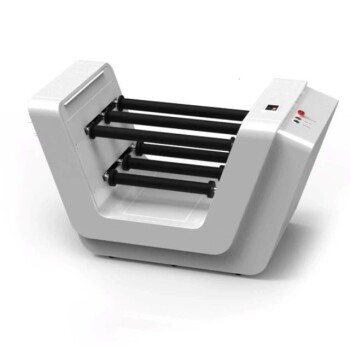
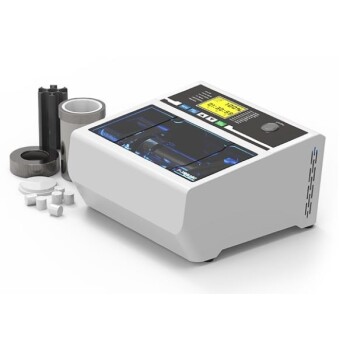
- High Energy Planetary Ball Mill Milling Machine for Laboratory
- Laboratory Jar Mill with Agate Grinding Jar and Balls
- Precision Machined Zirconia Ceramic Ball for Engineering Advanced Fine Ceramics
People Also Ask
- What are the primary functions of using a ball mill for BZCY72 powder? Achieve High Purity and Enhanced Sintering
- In what way does a laboratory ball mill affect material properties when modifying PHBV/pulp fiber composites?
- Why is a laboratory ball mill required for ultra-fine fly ash? Unlock Nano-Scale Adsorption Power
- What is the function of a laboratory ball mill in the preparation of AMMCs? Optimize Dispersion & Grain Refinement
- What is the function of a laboratory ball mill in the pretreatment of waste tire char (WTC)? Optimize Material Reactivity