The primary reason for using a copper mold or crucible is its exceptional thermal conductivity. This physical property allows the mold to extract heat from the molten NiCoFeCr and NiCoFeCrMn alloys at a highly accelerated rate. This rapid cooling is the specific mechanism required to freeze the atomic structure quickly, preventing component segregation and ensuring the alloy solidifies correctly.
The use of a copper mold drives rapid solidification, resulting in a fine and uniform initial grain structure. This homogeneity provides the critical microstructural foundation necessary for successful annealing and future mechanical processing.
The Mechanism of Microstructural Control
Leveraging Superior Thermal Conductivity
The defining feature of a copper mold is its ability to conduct heat away from the melt far more efficiently than ceramic or graphite alternatives.
When the molten high-entropy alloy (HEA) contacts the copper, thermal energy is transferred instantly. This prevents the heat from lingering within the alloy, forcing a phase change from liquid to solid almost immediately.
Achieving a Fine Grain Structure
The speed of solidification directly dictates the size of the grains within the metal.
By using a copper mold to induce rapid cooling, you limit the time available for grains to grow. This results in a fine, tight grain structure rather than a coarse, brittle one.
Establishing Uniformity
High-entropy alloys like NiCoFeCr contain multiple principal elements that can separate (segregate) if cooled slowly.
The thermal performance of the copper mold "freezes" the mixture in its homogeneous state. This ensures that the elements remain evenly distributed throughout the ingot, creating a uniform initial structure.
Strategic Importance for Processing
A Foundation for Annealing
The quality of the as-cast material dictates the success of all subsequent treatments.
According to technical best practices, a fine and uniform as-cast structure reduces the energy and time required for effective annealing. The copper mold ensures the starting material is stable enough to respond predictably to heat treatment.
Enabling Mechanical Workability
If an HEA creates large, segregated grains during casting, it often becomes brittle or prone to cracking during rolling or forging.
By securing a fine grain structure via the copper mold, you provide the alloy with the mechanical integrity needed for subsequent processing steps.
The Role of the Melting Environment
Synergy with Arc Melting
Copper crucibles are typically integrated into high-vacuum or high-purity atmosphere arc melting furnaces.
While the copper handles the cooling, the furnace environment (often high-purity argon) prevents the oxidation of the alloy elements.
ensuring Chemical Precision
The high temperatures generated by the electric arc ensure all components, regardless of melting point, are fully melted and mixed.
The copper crucible supports this by containing the melt without reacting chemically with it, preserving the high purity levels and precise chemical composition established by the furnace atmosphere.
Understanding the Trade-offs
Managing Thermal Gradients
While copper cools the surface of the ingot rapidly, the core of larger ingots may cool at a slightly slower rate.
It is essential to understand that while copper promotes uniformity, significant differences in cooling rates between the edge and the center can still induce residual stresses in larger castings.
Equipment Complexity
Copper has a relatively low melting point compared to the alloys being cast.
Therefore, these molds usually require active water cooling systems. This adds complexity to the equipment setup, as a failure in the cooling system can lead to catastrophic failure of the mold.
Optimizing Your Synthesis Strategy
To ensure the highest quality NiCoFeCr and NiCoFeCrMn alloys, align your equipment choice with your specific processing goals:
- If your primary focus is microstructural homogeneity: Prioritize the use of a water-cooled copper mold to maximize cooling rates and minimize grain growth.
- If your primary focus is chemical purity: Ensure your copper mold is utilized within a high-vacuum or high-purity argon environment to prevent oxidation during the melt.
The copper mold is not merely a container; it is an active thermal tool that dictates the fundamental quality and future workability of your alloy.
Summary Table:
| Feature | Benefit for NiCoFeCr/NiCoFeCrMn Alloys |
|---|---|
| High Thermal Conductivity | Enables rapid heat extraction and fast solidification. |
| Rapid Solidification | Prevents component segregation for a homogeneous mixture. |
| Microstructural Control | Produces a fine, uniform grain structure for better workability. |
| Chemical Inertia | Prevents contamination and maintains high purity during arc melting. |
| Foundation for Processing | Enhances mechanical integrity for subsequent annealing and rolling. |
Elevate Your HEA Research with KINTEK Precision Casting Solutions
High-entropy alloy synthesis requires the perfect balance of thermal control and chemical purity. KINTEK specializes in advanced laboratory equipment designed to meet these rigorous standards. Our comprehensive range includes high-purity induction melting furnaces, vacuum arc melting systems with water-cooled copper crucibles, and high-performance crushing and milling systems to prepare your materials.
Whether you are developing NiCoFeCr alloys or exploring new material frontiers, KINTEK provides the high-temperature tools and consumables (including ceramics and crucibles) needed to ensure consistent, repeatable results.
Ready to optimize your solidification process? Contact us today to discuss your laboratory requirements!
References
- Bauyrzhan Amanzhulov, Maxim V. Zdorovets. Composition and Structure of NiCoFeCr and NiCoFeCrMn High-Entropy Alloys Irradiated by Helium Ions. DOI: 10.3390/ma16103695
This article is also based on technical information from Kintek Solution Knowledge Base .
Related Products
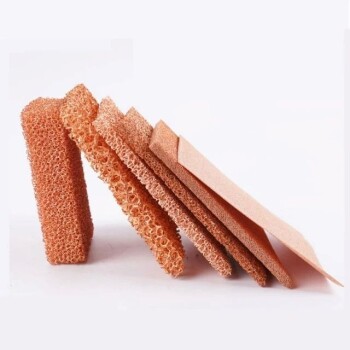
- Copper Foam
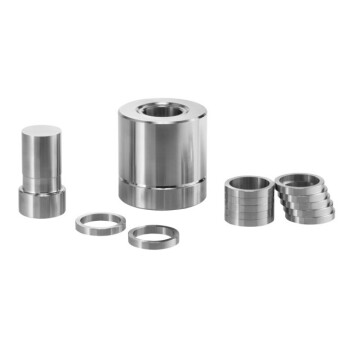
- XRF & KBR steel ring lab Powder Pellet Pressing Mold for FTIR
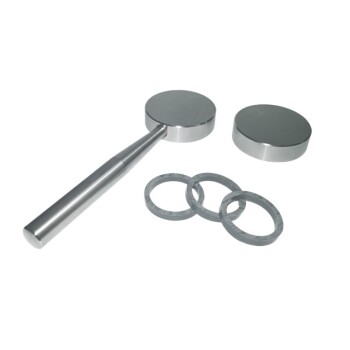
- XRF Boric Acid Lab Powder Pellet Pressing Mold for Laboratory Use
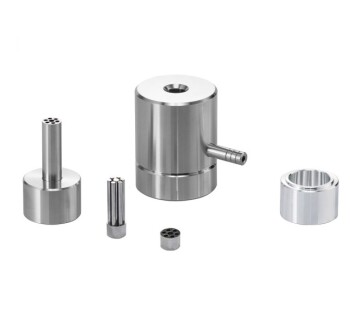
- XRF & KBR plastic ring lab Powder Pellet Pressing Mold for FTIR
- Cylindrical Press Mold with Scale for Lab
People Also Ask
- What is copper foam used for? A Guide to Its High-Performance Thermal and Energy Applications
- How do you make copper foam? A Step-by-Step Guide to Creating Porous Metal Structures
- What are the available sizes and thicknesses for copper foam? Optimize Your Thermal and Filtration Performance
- What are the characteristics of copper foam? Unlock High-Performance Thermal and Electrical Solutions
- Is copper foam safe? Discover the facts about its antimicrobial and cooling benefits