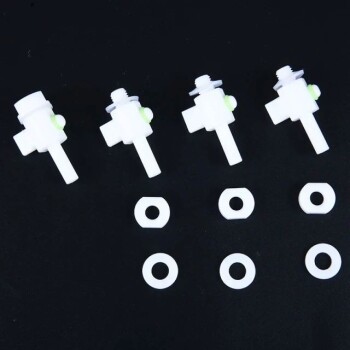
A high-purity nitrogen flow control device is a critical safety and quality instrument that serves two distinct functions: preventing combustion and managing chemical reaction time. It regulates the introduction of inert gas to purge oxygen from the system while simultaneously establishing a carrier flow that rapidly transports vapors away from the heat source.
The core purpose of this device is to replace a reactive, oxygen-rich atmosphere with a stable, inert one. This prevents raw materials from burning at high temperatures and ensures that chemical decomposition yields high-quality products rather than charred waste.
Preventing Combustion Through Atmosphere Control
Establishing an Inert Environment
The primary function of the flow control device is to purge the reactor before heating begins. By flooding the system with high-purity nitrogen, the device forces out existing air to create an anaerobic (oxygen-free) condition.
Eliminating the Risk of Fire
Pyrolysis requires extremely high temperatures to decompose materials like peanut shells or plastics. If oxygen were present during this phase, the material would simply combust (burn) rather than undergoing controlled thermal decomposition.
Preventing Oxidation Side-Reactions
Beyond basic safety, excluding oxygen prevents unwanted chemical interactions. The nitrogen shield ensures that the raw materials and resulting fuels do not undergo oxidation side-reactions, preserving the chemical stability of the final product.
Controlling Reaction Dynamics and Product Quality
Facilitating Vapor Transport
The device maintains a constant carrier gas flow throughout the operation. This flow acts as a physical transport mechanism, pushing pyrolysis vapors out of the reaction zone and into the condensation system.
Shortening Vapor Residence Time
Precise flow control is necessary to minimize the time vapors spend in the high-heat zone, known as vapor residence time. If vapors remain in the heat too long, they undergo "secondary cracking," breaking down into less desirable, smaller molecules.
Preventing Carbonization
By ensuring the immediate removal of vapors, the device prevents the products from degrading into char or carbon dust. This control directly correlates to the quality and purity of the bio-oil or fuel produced.
Operational Trade-offs and Considerations
The Consequence of Flow Imbalance
While flow is essential, it must be carefully regulated. An inconsistent flow can lead to variable residence times, causing uneven product quality ranging from uncracked solids to over-cracked gases.
Balancing Inertness and Cost
High-purity nitrogen ensures the best results by eliminating impurities that could catalyze unwanted reactions. However, maintaining a continuous, high-purity stream requires precise metering to avoid wasting expensive gas while ensuring the reactor volume is adequately swept.
Making the Right Choice for Your Process
To apply this to your specific pyrolysis project, evaluate your specific objectives regarding safety and yield:
- If your primary focus is Safety: Ensure the device is calibrated to deliver a volume of nitrogen sufficient to completely displace the reactor's air volume before heating begins.
- If your primary focus is Product Quality: Prioritize a device that offers stable, non-fluctuating flow rates to strictly limit vapor residence time and prevent secondary cracking.
precise control of nitrogen flow is the difference between a controlled chemical extraction and an uncontrolled fire.
Summary Table:
| Feature | Role in Pyrolysis System | Key Benefit |
|---|---|---|
| Atmosphere Purging | Removes oxygen before heating | Prevents combustion and fire risks |
| Inert Shielding | Blocks oxidation side-reactions | Preserves chemical stability and purity |
| Vapor Transport | Moves vapors to condensation zone | Facilitates efficient product collection |
| Flow Regulation | Minimizes vapor residence time | Prevents secondary cracking and charring |
Optimize Your Pyrolysis Results with KINTEK Precision
Don't let inconsistent gas flow compromise your research or production quality. KINTEK specializes in advanced laboratory equipment and consumables designed for high-stakes thermal processing. From high-temperature furnaces and vacuum systems to precision flow-controlled high-pressure reactors and autoclaves, we provide the tools necessary to maintain a perfect inert environment.
Whether you are working on bio-oil extraction, plastic recycling, or advanced material synthesis, our technical experts can help you select the ideal atmosphere control solutions to eliminate oxidation and maximize your yield.
Ready to elevate your laboratory efficiency? Contact us today to find your perfect pyrolysis configuration!
References
- L.I. Gurevich Messina, Ana Lea Cukierman. Effect of acid pretreatment and process temperature on characteristics and yields of pyrolysis products of peanut shells. DOI: 10.1016/j.renene.2017.07.065
This article is also based on technical information from Kintek Solution Knowledge Base .
Related Products
- Controlled Nitrogen Inert Hydrogen Atmosphere Furnace
- Liquid Nitrogen Cryogenic Grinder Mill Cryomill Airflow Ultrafine Pulverizer
- Customizable CO2 Reduction Flow Cell for NRR ORR and CO2RR Research
- 1200℃ Controlled Atmosphere Furnace Nitrogen Inert Atmosphere Furnace
- Variable Speed Peristaltic Pump
People Also Ask
- What is the role of a hydrogen atmosphere furnace in diamond/copper composites? Enhance Your Material Purity
- Why is hydrogen used in furnaces? Achieve Superior Purity and Bright Finishes
- What are the characteristics and risks of a hydrogen atmosphere in a furnace? Master the Balance of Power and Control
- Why is a hydrogen atmosphere furnace necessary for W-Cu composite? Unlock Superior Infiltration and Density
- Can hydrogen be used in furnaces? Yes, for Oxide-Free Metal Processing & Rapid Heating