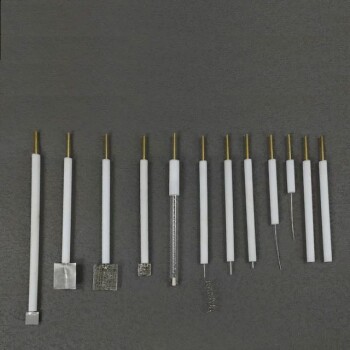
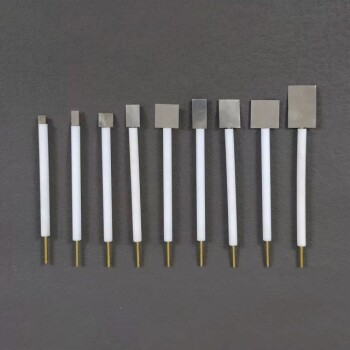
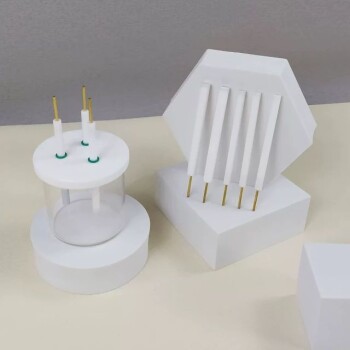
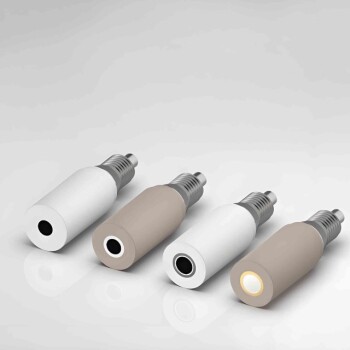
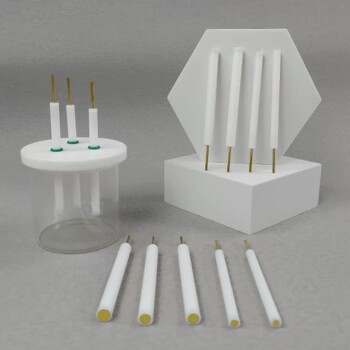
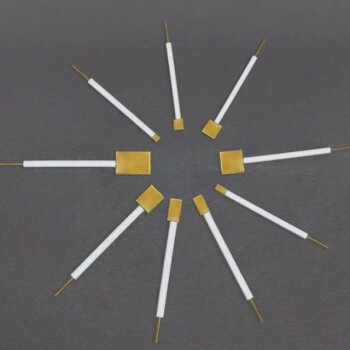
Platinum wire is selected primarily for its exceptional chemical inertness and superior electrical conductivity. It serves as a stable component to complete the electrical circuit without dissolving or reacting with the acidic or alkaline electrolytes often used to test alumina ceramics.
By remaining chemically passive, platinum ensures that the measured electrochemical signals originate solely from the redox reactions on the working electrode (the alumina ceramic), guaranteeing the reliability of the corrosion data.
The Critical Role of Chemical Inertness
Surviving Aggressive Environments
Corrosion testing for alumina ceramics often involves simulating harsh environments, such as highly acidic solutions (e.g., HCl or H2SO4).
Platinum is chemically stable, meaning it resists dissolution even in these aggressive electrolytes. This stability allows the counter electrode to function consistently throughout the duration of the test without degrading.
Preventing Solution Contamination
If a counter electrode dissolves, it releases impurity ions into the electrolyte.
These ions can alter the chemical composition of the test solution and inadvertently affect the corrosion rate of the ceramic. Platinum’s resistance to dissolution prevents contamination, preserving the purity of the chemical environment.
Ensuring Data Integrity
Isolating the Working Electrode
The goal of corrosion research is to analyze the behavior of the specific material under test—in this case, alumina ceramics.
Platinum acts as a "silent" partner in the circuit. It ensures that the current signals recorded by the potentiostat are generated entirely by the redox reactions on the working electrode surface, rather than reactions occurring on the counter electrode.
Stable Current Transmission
Accurate impedance data relies on a stable flow of current through the system.
Platinum offers excellent electrical conductivity, which minimizes resistance within the electrode itself. This allows for steady current transmission, which is vital for maintaining the accuracy of electrochemical measurements.
Understanding the Trade-offs
Geometry and Polarization
While platinum wire is commonly used, the geometry of the electrode matters.
If the surface area of the platinum wire is too small relative to the current passing through it, polarization can occur at the counter electrode. This can act as a bottleneck for the current, potentially introducing errors in the measurement.
Cost vs. Performance
Platinum is a precious metal and represents a significant cost in experimental setups.
However, the trade-off is generally accepted because alternative materials (like graphite) may not offer the same level of inertness or could introduce porosity issues in certain sensitive applications.
Making the Right Choice for Your Goal
- If your primary focus is signal purity: Use platinum to ensure that absolutely no foreign ions from the electrode contaminate your electrolyte.
- If your primary focus is high current density: Consider using platinum mesh or foil instead of wire to increase surface area and minimize polarization effects.
Ultimately, platinum wire provides the stability required to attribute every data point strictly to the corrosion of your ceramic sample, not your test equipment.
Summary Table:
| Key Feature | Benefit for Corrosion Research | Impact on Data Accuracy |
|---|---|---|
| Chemical Inertness | Resists dissolution in harsh acidic/alkaline electrolytes | Prevents ion contamination and signal noise |
| High Conductivity | Enables stable and steady current transmission | Minimizes resistance and measurement errors |
| Electrochemical Stability | Stays passive during redox reactions | Ensures signals originate solely from the sample |
| Material Purity | Does not introduce foreign ions to the solution | Maintains the integrity of the test environment |
Optimize Your Electrochemical Research with KINTEK
Precision in material science starts with high-quality instrumentation. KINTEK provides premium electrolytic cells, platinum electrodes, and specialized consumables designed to withstand aggressive corrosion testing. Beyond electrochemistry, we offer a comprehensive range of high-temperature furnaces (muffle, vacuum, CVD), high-pressure reactors, and crushing systems to support your entire ceramic research workflow.
Ensure the integrity of your data with tools engineered for excellence. Contact KINTEK today to find the perfect laboratory solutions for your research!
References
- Z.H. Al-Ashwan, Nouari Saheb. Corrosion Behavior of Spark Plasma Sintered Alumina and Al2O3-SiC-CNT Hybrid Nanocomposite. DOI: 10.1590/1980-5373-mr-2019-0496
This article is also based on technical information from Kintek Solution Knowledge Base .
Related Products
- Platinum Auxiliary Electrode for Laboratory Use
- Platinum Sheet Electrode for Laboratory and Industrial Applications
- Rotating Platinum Disk Electrode for Electrochemical Applications
- Platinum Sheet Electrode for Battery Lab Applications
- RRDE rotating disk (ring disk) electrode / compatible with PINE, Japanese ALS, Swiss Metrohm glassy carbon platinum
People Also Ask
- What is the function of a platinum electrode as an auxiliary electrode? Ensure Precise Nickel Coating Corrosion Testing
- Why is platinum typically selected as the auxiliary electrode for electrochemical testing of oxazoline inhibitors?
- What does the auxiliary electrode do? Ensuring Accurate Electrochemical Measurements
- What are the roles of Pt counter and reference electrodes in nitrided steel testing? Optimize Your Electrochemical Data
- What are the advantages of using a platinum counter electrode? Ensure Purity in Photocatalytic Coating Deposition