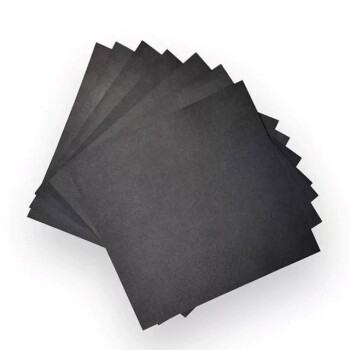
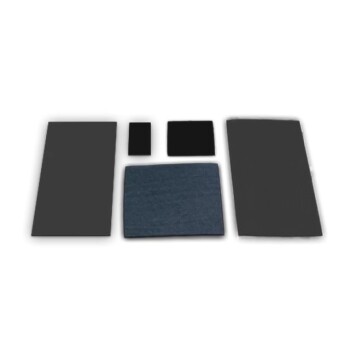
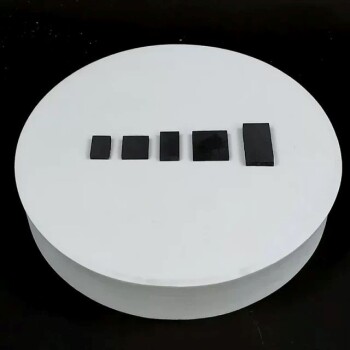
Carbon paper serves as a vital isolation interface in the hot pressing process of LiTa2PO8 (LTPO) electrolytes. It is strategically placed to prevent the ceramic powder from fusing with the graphite mold, ensuring the final pellet can be removed without damage while simultaneously protecting the tooling from degradation.
Core Insight: The primary function of carbon paper is to create a physical barrier between reactive ceramic powders and graphite tooling. This isolation prevents chemical adhesion during high-temperature sintering, facilitates clean demolding, and significantly extends the operational lifespan of expensive graphite molds.
The Mechanics of Mold Isolation
Preventing Adhesion and Reactions
During the hot pressing process, materials are subjected to extreme conditions, including temperatures around 1050°C and pressures up to 60 MPa. Under these parameters, direct contact between the LTPO powder and the graphite walls can lead to unwanted adhesion or chemical reactions.
The carbon paper acts as an inert shield. It physically separates the powder from the internal walls and punches of the mold. This prevents the ceramic from "sticking" to the graphite, which is critical for maintaining the purity of the sample.
Facilitating Clean Demolding
The success of the sintering process relies on the ability to recover the sample intact. Without an isolation layer, the sintered pellet may bond to the mold surfaces.
By using carbon paper, you ensure that the friction between the pellet and the mold remains low. This facilitates the smooth ejection of the high-density ceramic cylinder. It minimizes the mechanical stress applied to the sample during extraction, reducing the risk of cracking or fracturing the final product.
Preserving Mold Integrity
Graphite molds serve as both the forming container and the heat transfer medium due to their high conductivity. However, they are susceptible to surface wear and contamination over time.
Carbon paper protects the mold surfaces from the abrasive nature of the ceramic powder. By preventing direct contact, the paper reduces wear on the mold's interior. This protective measure directly contributes to extending the service life of the graphite tooling, ensuring it remains precise and effective for more cycles.
Risks of Direct Contact
Accelerated Tooling Wear
Omitting the isolation layer exposes the soft graphite surface to direct interaction with hard ceramic particles.
This exposure accelerates surface degradation and contamination. Once the mold surface is compromised, it can lead to irregularities in subsequent samples, necessitating frequent and costly mold replacements.
Sample Failure During Extraction
If adhesion occurs due to the lack of an isolation layer, the force required to remove the sample increases significantly.
This creates a high probability of damaging the sintered pellet during removal. The adhesion can cause chunks of the ceramic to tear away or the entire cylinder to shatter, rendering the experiment a failure.
Making the Right Choice for Your Goal
To ensure consistent results in LiTa2PO8 electrolyte production, consider the following implementation strategies:
- If your primary focus is Equipment Longevity: consistently apply carbon paper liners to shield the mold walls and punches, thereby preventing contamination and reducing abrasive wear on the graphite.
- If your primary focus is Sample Integrity: Use the carbon paper to guarantee a non-stick interface, ensuring the sintered pellet can be demolded easily without inducing micro-cracks or fractures.
By integrating this simple isolation step, you safeguard both the quality of your ceramic electrolytes and the durability of your processing equipment.
Summary Table:
| Feature | Role of Carbon Paper in Hot Pressing |
|---|---|
| Primary Function | Physical barrier/isolation between powder and graphite |
| Temperature Resistance | Stable at high sintering temperatures (e.g., 1050°C) |
| Demolding Benefit | Reduces friction and prevents sample sticking/cracking |
| Mold Protection | Prevents chemical reactions and abrasive surface wear |
| Sample Quality | Maintains purity and structural integrity of the ceramic |
Maximize Your Research Precision with KINTEK
Don't let sample adhesion or tool degradation compromise your laboratory results. KINTEK specializes in high-performance laboratory equipment, offering a comprehensive range of hot pressing systems, hydraulic presses (pellet, hot, isostatic), and premium graphite tooling designed for advanced materials research.
Whether you are developing LiTa2PO8 (LTPO) electrolytes or high-temperature ceramics, our expert solutions—including high-temperature furnaces, crushing systems, and essential consumables like crucibles and PTFE products—ensure consistent, high-quality outcomes.
Ready to elevate your material synthesis? Contact KINTEK today to discover how our specialized equipment and technical expertise can optimize your laboratory workflow!
Related Products
- Hydrophilic Carbon Paper TGPH060 for Battery Lab Applications
- Conductive Carbon Cloth Carbon Paper Carbon Felt for Electrodes and Batteries
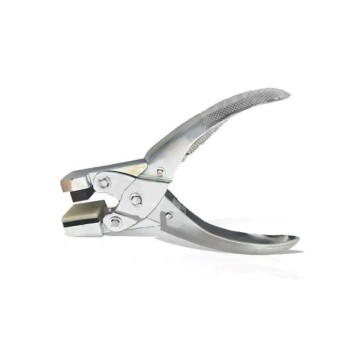
- Professional Cutting Tools for Carbon Paper Cloth Diaphragm Copper Aluminum Foil and More
- Glassy Carbon Sheet RVC for Electrochemical Experiments
- Carbon Graphite Plate Manufactured by Isostatic Pressing Method
People Also Ask
- What role does hydrophilic carbon fiber paper play as an electrode material? Enhancing Flow Cell Efficiency
- How can the lifespan of carbon paper be extended? Reinforce Edges with Epoxy for Maximum Durability
- Why is carbon paper commonly selected as a current collector for manganese dioxide cathodes? Unlock Battery Efficiency
- What are the material properties of carbon paper? Unlocking High Conductivity & Porosity for Your Lab
- How should carbon paper be handled during cutting? Prevent Fractures with a Delicate, Precise Approach