Configuring drying equipment is a mandatory prerequisite because the specific adsorbents used in Temperature Swing Adsorption (TSA) cannot distinguish effectively between water and carbon dioxide in a moist environment. The industry-standard 13X-type zeolites have an extremely high affinity for water vapor. If moisture is not removed first, water molecules will aggressively occupy the adsorbent's active sites, physically blocking the capture of CO2.
Core Insight: 13X-type zeolites prioritize water adsorption over carbon dioxide. Without pre-drying flue gas, water vapor saturates the adsorbent bed, drastically reducing CO2 capture capacity and increasing the energy required to regenerate the system.
The Chemistry of Competitive Adsorption
The Affinity of 13X-Type Zeolites
TSA systems typically rely on 13X-type zeolites due to their porous structure. However, these materials are highly hydrophilic. They are chemically predisposed to attract and hold water molecules more strongly than almost any other component in flue gas.
The Problem of Reduced Capacity
When moisture enters the TSA unit, "competitive adsorption" occurs. Because the zeolite prefers water, the water vapor occupies the vast majority of the available surface area. This significantly reduces the remaining capacity available for adsorbing carbon dioxide, rendering the process inefficient.
Operational Impact on the TSA Cycle
Protecting Adsorbent Activity
Pre-treating the flue gas serves as a protective barrier for the adsorbent bed. By removing the water upstream, you maintain the high "activity" of the zeolite. This ensures the material remains sensitive and reactive to CO2, rather than becoming inert due to water saturation.
Reducing Regeneration Energy
Industrial-grade TSA systems require heat to "regenerate" (clean) the adsorbent for the next cycle. Desorbing water requires significantly more thermal energy than desorbing CO2. By drying the gas first, you lower the temperature and energy demands of the regeneration phase.
Understanding the Trade-offs
Added Complexity vs. Process Integrity
Integrating drying equipment adds initial capital cost and mechanical complexity to the overall capture plant. It requires space and maintenance independent of the main TSA unit.
However, omitting this step is generally not a viable cost-saving measure. The efficiency loss in the TSA unit would require a massively oversized system to compensate for the water interference, ultimately costing more in both CapEx and OpEx.
Making the Right Choice for Your Project
While drying is technically necessary, the extent of drying can be optimized based on your specific operational goals.
- If your primary focus is Maximizing Yield: Prioritize deep dehydration to ensure 100% of the zeolite's surface area is available for CO2 capture.
- If your primary focus is Energy Efficiency: Ensure the drying stage is calibrated to prevent moisture carryover, avoiding the high thermal penalty of regenerating wet adsorbents.
Effective CO2 capture begins with disciplined moisture management.
Summary Table:
| Factor | Without Pre-Drying | With Drying Equipment |
|---|---|---|
| Adsorbent Activity | High water saturation blocks active sites | Maximum sites available for CO2 |
| Energy Efficiency | High (requires more heat to desorb water) | Low (optimal heat for CO2 desorption) |
| CO2 Capture Yield | Significantly reduced due to competition | Maximized capture capacity |
| Operational Life | Rapid degradation of 13X zeolites | Extended adsorbent durability |
Optimize Your Carbon Capture Workflow with KINTEK
Don't let moisture compromise your process efficiency. KINTEK specializes in advanced laboratory and industrial solutions, providing the high-performance components you need to master Temperature Swing Adsorption. From specialized high-temperature furnaces and reactors to precision crushing, milling, and sieving systems for adsorbent preparation, we ensure your lab or pilot plant operates at peak performance.
Our experts are ready to help you select the right equipment to protect your 13X zeolites and minimize energy consumption. Contact KINTEK today to explore our comprehensive range of high-temperature high-pressure reactors, cooling solutions, and specialized consumables tailored for cutting-edge carbon capture research.
References
- S. Kammerer, Magnus S. Schmidt. Review: CO2 capturing methods of the last two decades. DOI: 10.1007/s13762-022-04680-0
This article is also based on technical information from Kintek Solution Knowledge Base .
Related Products
- Three-dimensional electromagnetic sieving instrument
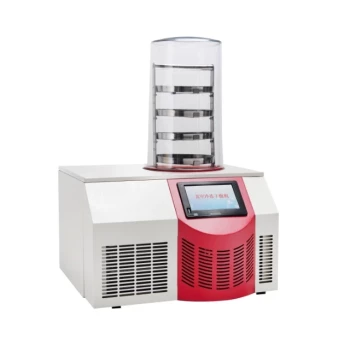
- Benchtop Laboratory Vacuum Freeze Dryer
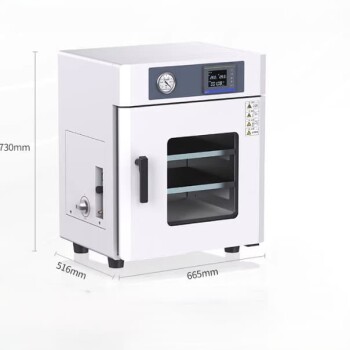
- 56L Vertical Laboratory Vacuum Drying Oven
- Laboratory Scientific Electric Heating Blast Drying Oven
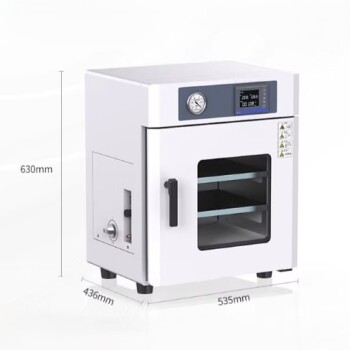
- 23L Laboratory Vacuum Drying Oven
People Also Ask
- Why is sieving equipment essential for the classification of processed bio-activated carbon? Optimize Performance
- What are the limitations of sieving? Understanding the Constraints of Particle Size Analysis
- What are advantages and disadvantages of sieving method? A Guide to Reliable & Cost-Effective Particle Sizing
- How is sieving important? The Critical Role of Particle Size Analysis in Quality Control
- What is sieving and how does it work? A Guide to Accurate Particle Size Analysis