The combination of an alumina boat and a Ti3AlC2 powder bed is essential for preserving the chemical integrity of Ti2AlC ceramic foams during sintering. The alumina boat functions as a high-temperature-resistant container, while the Ti3AlC2 powder bed creates a protective, aluminum-rich microenvironment. Together, they prevent the volatile loss of aluminum, ensuring the material retains its intended structure rather than degrading.
Sintering Ti2AlC requires counteracting the material's natural tendency to lose aluminum at high temperatures. The Ti3AlC2 powder bed generates specific aluminum vapor pressure that effectively inhibits this decomposition, ensuring the final product remains a high-quality MAX phase ceramic.
The Challenge of High-Temperature Stability
The Vulnerability of Ti2AlC
When sintering Ti2AlC ceramic foams, high temperatures present a significant chemical challenge. The material is inherently susceptible to instability under these conditions.
Specifically, Ti2AlC is prone to losing aluminum to the surrounding atmosphere. This volatility is the primary obstacle to achieving a high-quality sinter.
The Risk of Decomposition
If the aluminum loss is not checked, the chemical structure of the ceramic changes efficiently.
The Ti2AlC decomposes, transforming into Titanium Carbide (TiC). This transformation is undesirable as it degrades the purity of the MAX phase content, altering the material properties of the final foam.
The Role of the Sintering Assembly
The Alumina Boat as the Vessel
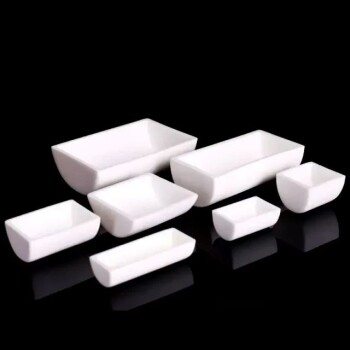
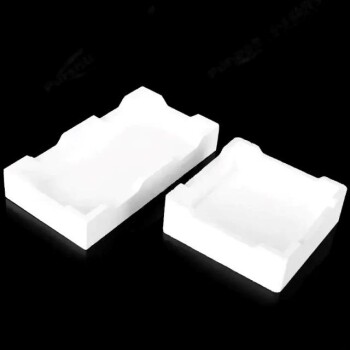
The first component of the solution is the alumina boat.
It serves as the physical vessel for the process. Alumina is selected because it is a high-temperature-resistant container capable of withstanding the sintering environment without structurally failing.
The Ti3AlC2 Powder Bed as the Stabilizer
The second, and chemically critical, component is the Ti3AlC2 powder bed placed inside the boat.
This powder bed acts as a sacrificial source of aluminum. By heating up alongside the foam, the Ti3AlC2 generates an aluminum-rich atmosphere within the boat.
The Mechanism of Protection
The presence of this aluminum-rich atmosphere creates a specific vapor pressure.
This aluminum vapor pressure inhibits the decomposition of the Ti2AlC foam. By saturating the local environment with aluminum, the thermodynamic drive for the foam to release its own aluminum is significantly reduced.
Risks of Process Deviations
Consequence of Omission
It is important to understand that these components are not optional for high-purity results.
Without the Ti3AlC2 powder bed, the protective vapor pressure will not exist. The result will inevitably be a ceramic foam with low MAX phase content, heavily contaminated with TiC.
Reliance on Containment
Similarly, relying solely on the boat without the specific powder chemistry is insufficient.
The alumina boat provides containment, but it does not provide chemical stabilization. Both the physical vessel and the chemical buffer provided by the powder are required for success.
Ensuring Sintering Success
To guarantee the quality of your Ti2AlC ceramic foams, your sintering setup must prioritize atmospheric control.
- If your primary focus is Phase Purity: You must utilize a Ti3AlC2 powder bed to maintain high aluminum vapor pressure and prevent TiC formation.
- If your primary focus is Structural Integrity: You must ensure the alumina boat is used to provide a stable, heat-resistant containment vessel for the powder and foam assembly.
By strictly controlling the local atmosphere with a powder bed, you ensure the final ceramic retains the high MAX phase content required for optimal performance.
Summary Table:
| Component | Primary Function | Benefit to Sintering Process |
|---|---|---|
| Alumina Boat | High-temperature containment | Provides a stable, heat-resistant vessel for the assembly. |
| Ti3AlC2 Powder Bed | Chemical buffer / Vapor source | Generates Al-rich atmosphere to inhibit decomposition. |
| Local Al-Vapor Pressure | Atmospheric control | Prevents Ti2AlC from transforming into Titanium Carbide (TiC). |
Elevate Your Material Research with KINTEK
Precise atmospheric control is the difference between high-purity MAX phases and failed samples. At KINTEK, we specialize in the high-performance laboratory equipment and consumables essential for advanced ceramic sintering.
Whether you need high-temperature muffle or vacuum furnaces, durable alumina boats, or precision crushing and milling systems to prepare your powder beds, KINTEK provides the reliability your research demands. Our comprehensive range of PTFE products, ceramics, and crucibles ensures your sintering environment is perfectly controlled.
Ready to optimize your Ti2AlC production? Contact our technical experts today to find the perfect solution for your laboratory needs.
References
- Marek Potoczek, Tomasz Brylewski. Oxidation behavior of Ti2AlC MAX-phase foams in the temperature range of 600–1000 °C. DOI: 10.1007/s10973-023-11990-z
This article is also based on technical information from Kintek Solution Knowledge Base .
Related Products
- Aluminized Ceramic Evaporation Boat for Thin Film Deposition
- Alumina Al2O3 Ceramic Crucible Semicircle Boat with Lid for Engineering Advanced Fine Ceramics
- Ceramic Evaporation Boat Set Alumina Crucible for Laboratory Use
- Engineering Advanced Fine Ceramics Alumina Crucibles (Al2O3) for Thermal Analysis TGA DTA
- Molybdenum Tungsten Tantalum Special Shape Evaporation Boat
People Also Ask
- What is the source of evaporation for thin film? Choosing Between Thermal and E-Beam Methods
- Why are high-purity ceramic boats used for lignin activation? Ensure Purity & Thermal Stability
- Why use an alumina boat for high-temperature carbon activation? Ensure Maximum Material Purity & Thermal Stability
- Why is an alumina boat selected for catalyst precursors? Ensure Sample Purity at 1000 °C
- What is the widely used boat made of in thermal evaporation? Choosing the Right Material for High-Purity Deposition