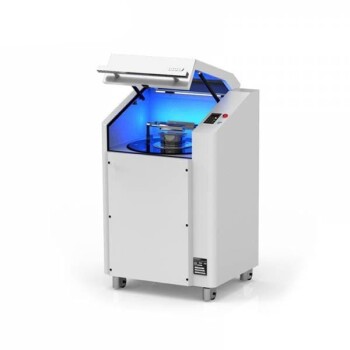
Grinding coal to a fineness of below 47 μm is a critical preparation step for ensuring analytical precision and sample uniformity. This specific particle size threshold maximizes the specific surface area and ensures complete homogenization, which are essential for consistent thermal behavior. Furthermore, it significantly enhances the clarity of spectroscopic data by minimizing physical interference during the testing process.
Core Takeaway: Achieving a particle size below 47 μm transforms heterogeneous coal into a uniform powder that facilitates optimal heat conduction and high-resolution spectroscopic analysis, effectively eliminating "noise" caused by particle size variability.
The Role of Specific Surface Area in Thermal Analysis
Optimizing Heat Conduction
Grinding coal to ultra-fine levels ensures uniform heat conduction during subsequent thermal treatment processes. When particles are smaller than 47 μm, the thermal gradient across individual grains is minimized, allowing for more accurate measurements of reaction kinetics.
Improving Mass Transfer Efficiency
A higher specific surface area increases the contact points for chemical reactions. This is vital in processes like co-gasification, where a fine particle distribution ensures a microscopically uniform mixture of coal and other additives, leading to more reliable heat release curves.
Enhancing Reaction Kinetics
Finer particles allow for faster and more complete reactions within laboratory instruments. By reducing the physical size, you ensure that the internal chemistry of the coal—rather than the limitations of heat or mass transfer—governs the data collected.
Enhancing Optical and Spectroscopic Accuracy
Reducing Light Scattering in FTIR
In Fourier Transform Infrared Spectroscopy (FTIR), large particles cause significant light scattering, which obscures data. Grinding below 47 μm reduces this scattering effect, ensuring that the infrared beam interacts directly with the molecular structure of the coal rather than reflecting off grain surfaces.
Increasing Characteristic Peak Resolution
By minimizing optical interference, the finer particle size improves the resolution of characteristic absorption peaks. This allows researchers to identify specific functional groups and chemical bonds with much higher confidence and precision.
Eliminating Matrix Effects in X-ray Analysis
For techniques like X-ray Fluorescence (XRF), refining the particle size eliminates the influence of mineral grain size on fluorescence intensity. This results in a smooth sample surface that provides a uniform composition, bringing laboratory accuracy closer to absolute chemical standards.
Mineral Liberation and Chemical Uniformity
Optimizing Maceral Separation
Fine grinding facilitates a higher degree of liberation between coal macerals (such as vitrinite) and inorganic minerals (such as halite). This separation is essential for ensuring high precision in specialized cleaning or sodium removal processes.
Achieving Sample Representativeness
Coal is naturally heterogeneous, containing various impurities and contaminants. Processing the sample into an ultra-fine powder reduces sample heterogeneity, ensuring that the small portion used in a micro-analysis truly represents the entire bulk material.
Improving Friction Charging Efficiency
In electrostatic separation processes, finer particles increase the efficiency of friction charging. The increased surface area leads to a higher surface charge density, which is critical for the effective separation of coal from its mineral matter.
Understanding the Trade-offs
Risk of Sample Alteration
While fine grinding improves analysis, high-energy milling can generate localized heat. This heat may inadvertently alter the coal's volatile matter content or change its chemical structure if the milling duration and intensity are not strictly controlled.
Mechanical Contamination
Using laboratory crushing and milling systems introduces a risk of cross-contamination from the grinding media (such as steel or tungsten carbide). It is essential to match the hardness of the milling tools to the coal's abrasiveness to maintain sample purity.
Operational Costs and Time
Reaching a fineness of <47 μm requires significantly more energy and time than standard grinding to 212 μm (70 mesh). This increased processing time must be weighed against the specific requirements of the analytical technique being used.
How to Apply This to Your Project
Making the Right Choice for Your Goal
To determine the necessity of ultra-fine grinding for your specific application, consider the following recommendations:
- If your primary focus is FTIR or Spectroscopic Analysis: You must grind below 47 μm to ensure peak resolution and eliminate light scattering interference.
- If your primary focus is Thermal Kinetics or Gasification: Aim for the <47 μm threshold to ensure uniform heat transfer and accurate reaction data.
- If your primary focus is General Proximate Analysis (Moisture/Ash): A standard fineness of <212 μm (70 mesh) is often sufficient, as ultra-fine grinding may unnecessarily increase the risk of moisture loss.
- If your primary focus is Mineral Liberation or Sodium Removal: Use fine milling to separate minerals from macerals, but monitor for potential mill-wear contamination.
Achieving extreme fineness in coal preparation is the definitive way to bridge the gap between raw material heterogeneity and high-precision analytical results.
Summary Table:
| Analytical Benefit | Impact of <47 μm Particle Fineness |
|---|---|
| Thermal Analysis | Ensures uniform heat conduction and optimized reaction kinetics. |
| FTIR Spectroscopy | Minimizes light scattering and improves characteristic peak resolution. |
| X-ray Analysis (XRF) | Eliminates matrix effects to provide a uniform sample surface. |
| Mineral Liberation | Facilitates clean separation between macerals and inorganic minerals. |
| Sample Integrity | Maximizes homogeneity for highly representative micro-analysis data. |
Achieve Unmatched Analytical Precision with KINTEK
Consistency in coal analysis begins with superior sample preparation. At KINTEK, we understand that reaching a fineness of <47 μm requires robust and reliable laboratory equipment. We specialize in providing high-performance crushing and milling systems, sieving equipment, and hydraulic presses designed to eliminate sample heterogeneity and ensure representative results.
Whether you are conducting FTIR spectroscopy, thermal kinetics research, or mineral liberation studies, our comprehensive portfolio—including high-temperature furnaces, high-pressure reactors, and precision consumables like ceramics and crucibles—is engineered to meet the most rigorous laboratory standards.
Ready to elevate your lab's efficiency and data accuracy? Contact our experts today to find the perfect milling solution tailored to your specific research needs.
References
- Meng Wu, Lele Feng. The Effect of Temperature on Molecular Structure of Medium-Rank Coal via Fourier Transform Infrared Spectroscopy. DOI: 10.3390/ma16206746
This article is also based on technical information from Kintek Solution Knowledge Base .
Related Products
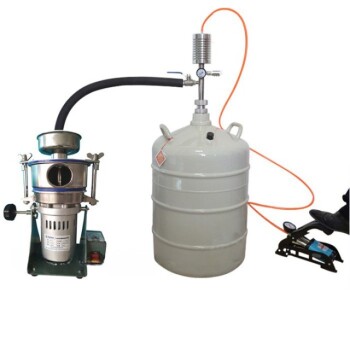
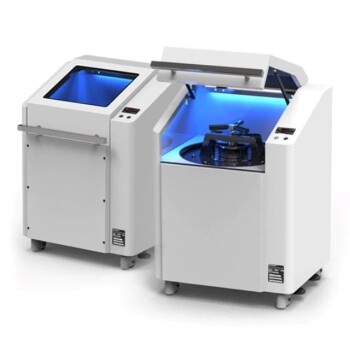
- Small Cryogenic Grinder Cryomill Cryogrinder with Liquid Nitrogen for Laboratory Use
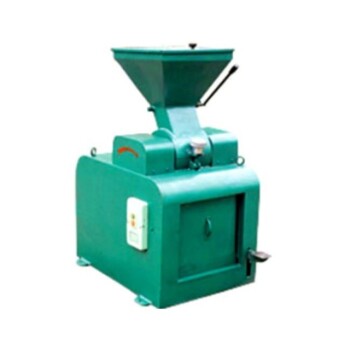
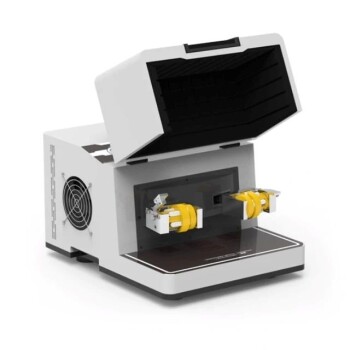
- Laboratory Sealed Hammer Crusher for Efficient Sample Preparation
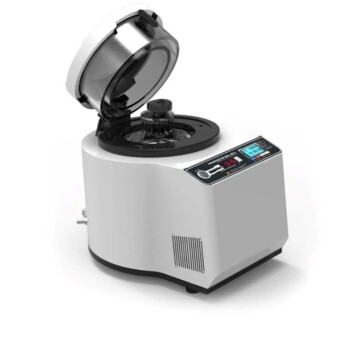
- Mini Planetary Ball Mill Machine for Laboratory Milling
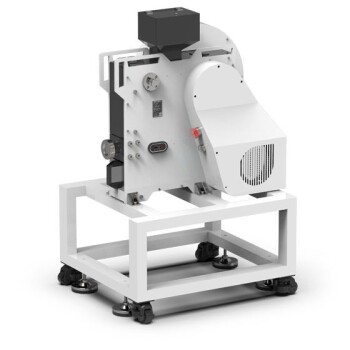
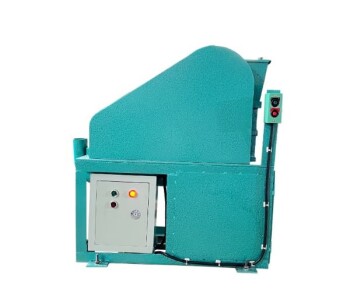
- Laboratory Jaw Crusher
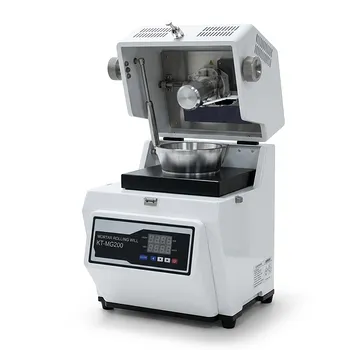
- Laboratory Grinding Mill Mortar Grinder for Sample Preparation
People Also Ask
- What are the advantages of using a cryogenic grinder? Achieve Nanoscale Precision for All-Solid-State Battery Cathodes
- Why is a cryogenic grinder required for cured alkyd resin HRMAS NMR? Ensure Structural Integrity & Sample Precision
- What is the role of a cryogenic grinder in PET recycling? Transform Waste into High-Reactive Micron Powders
- What is cryogenic grinding of crumb rubber? Achieve Fine, High-Quality Rubber Powder
- What food is cryogenic grinding? The Ultimate Guide to Preserving Flavor & Aroma