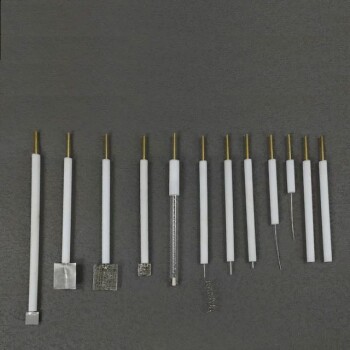
Molybdenum-containing stainless steel is selected primarily for its superior corrosion resistance and chemical stability in aggressive environments. In the context of fishmeal industrial wastewater treatment, this material withstands high-voltage electro-oxidation conditions without degrading. It maintains structural integrity and ensures consistent performance, serving as a robust foundation for the reactor's operation.
The presence of molybdenum significantly enhances the alloy's resistance to pitting and chemical attack, which is critical for preventing secondary pollution caused by metal leaching during the wastewater treatment process.
The Challenge of Corrosive Environments
Withstanding Aggressive Electro-oxidation
Fishmeal wastewater treatment involves high-voltage electro-oxidation processes. These conditions create a chemically aggressive environment that would rapidly degrade standard materials.
The Specific Role of Molybdenum
The addition of molybdenum to the stainless steel alloy is not cosmetic; it is functional. It specifically fortifies the material against pitting and crevice corrosion, which are common failure modes in chloride-rich or highly acidic wastewater environments.
Preventing Secondary Pollution
A critical failure point in wastewater treatment is when the equipment itself contaminates the water. Molybdenum-containing stainless steel resists dissolution. This minimizes metal leaching, ensuring that the reactor does not introduce new pollutants (secondary pollution) into the water it is trying to clean.
Structural and Operational Integration
Dual-Purpose Functionality
Beyond chemical resistance, this material allows for efficient reactor design. The stainless steel tubes often serve a dual role, acting simultaneously as the reactor shell and the cathode.
Mechanical and Electrical Stability
Stainless steel offers high mechanical strength combined with excellent electrical conductivity. This ensures the physical durability of the reactor while maintaining the integrity of the current circuit essential for the treatment process.
Cathodic Protection
An inherent benefit of this setup is cathodic polarization. Because the stainless steel tube functions as the cathode, it is naturally protected from electrochemical corrosion during operation, further extending the equipment's lifespan.
Understanding the Trade-offs
Cost vs. Longevity
While molybdenum-containing alloys (such as 316 stainless steel) generally carry a higher material cost than standard carbon steel or non-molybdenum alloys, this is an operational necessity. Using a lesser alloy would result in rapid corrosion, frequent replacement costs, and process downtime.
Balancing Reaction Efficiency
The cathode must facilitate specific reduction reactions, such as hydrogen evolution, to maintain charge balance with the anodic oxidation. While stainless steel is effective, the system design must ensure these reactions proceed efficiently to maintain the continuous degradation of pollutants.
Making the Right Choice for Your Goal
To optimize your electrochemical reactor design, consider your specific priorities:
- If your primary focus is Equipment Longevity: Prioritize high-molybdenum content alloys to maximize resistance against pitting in high-voltage environments.
- If your primary focus is Environmental Compliance: Select this material to strictly eliminate the risk of heavy metal leaching into the treated effluent.
- If your primary focus is Compact Design: Leverage the structural strength of stainless steel to combine the reactor shell and cathode into a single unit.
By selecting molybdenum-containing stainless steel, you convert the cathode from a consumable part into a durable, structural component of your treatment system.
Summary Table:
| Feature | Benefit for Fishmeal Wastewater Treatment |
|---|---|
| Molybdenum Content | Prevents pitting and crevice corrosion in high-chloride environments. |
| High-Voltage Resistance | Maintains structural integrity during aggressive electro-oxidation. |
| Low Metal Leaching | Eliminates secondary pollution by preventing metal dissolution. |
| Dual-Purpose Design | Functions as both the reactor shell and cathode for compact builds. |
| Cathodic Polarization | Provides inherent protection against electrochemical corrosion. |
Optimize Your Wastewater Treatment with KINTEK Solutions
Ensure long-term efficiency and environmental compliance in your laboratory and industrial processes. At KINTEK, we specialize in high-performance materials and equipment tailored for the most demanding environments. Whether you are developing electrochemical reactors, conducting battery research, or requiring high-temperature furnaces, our team provides the precision tools you need to succeed.
Our extensive portfolio includes:
- Electrolytic cells and electrodes specifically engineered for chemical stability.
- High-temperature high-pressure reactors and autoclaves for advanced material synthesis.
- Customizable crushing, milling, and sieving systems for material preparation.
Ready to upgrade your reactor's durability and performance? Contact us today to find the perfect solution for your application!
References
- Raju Meganathan, Rajagopalan Varadarajan. Electro-oxidation of fish meal industry wastewater in a stirred batch reactor using a Ti/RuO2 anode. DOI: 10.2166/wpt.2021.087
This article is also based on technical information from Kintek Solution Knowledge Base .
Related Products
- Molybdenum Tungsten Tantalum Special Shape Evaporation Boat
- Folding Molybdenum Tantalum Boat With or Without Cover
- Rotating Platinum Disk Electrode for Electrochemical Applications
- Glassy Carbon Electrochemical Electrode
- Metal Disc Electrode Electrochemical Electrode
People Also Ask
- What are the applications of molybdenum? From High-Temperature Furnaces to Space Lubricants
- Why use high-purity quartz boats for biochar calcination? Ensure sample purity and thermal stability in your research.
- What is the maximum operating temperature for molybdenum? Key Factors for High-Temp Performance
- What are the pros and cons of molybdenum? Harness Its High-Temperature Power
- What are 5 common uses for molybdenum? Enhancing Steel, Alloys, and High-Temp Performance