The chemical composition of your leachate dictates the integrity of your infrastructure. While pure methanesulfonic acid (MSA) exhibits low corrosivity, the presence of impurities such as sulfates, chlorides, or nitrates in leachates aggressively attacks standard stainless steel. Consequently, selecting equipment with inert linings like PTFE is critical to prevent rapid corrosion and ensure the chemical purity of your final product.
Impurities transform MSA from a manageable acid into a highly corrosive mixture capable of compromising standard alloys. High-performance linings are the only reliable barrier against this variable chemistry, preventing both equipment failure and product contamination.
The Chemistry of Corrosion in MSA Leachates
The Hidden Danger of Impurities
Pure MSA is generally considered a mild acid regarding material compatibility. However, in hydrometallurgical operations, the acid is rarely pure.
Leachates act as a carrier for various impurities, specifically sulfates, chlorides, and nitrates. These compounds significantly alter the corrosive potential of the fluid, making it far more aggressive than the base acid alone.
Why Standard Stainless Steel Fails
Standard stainless steel relies on a passive surface layer for protection. The specific impurities found in MSA leachates can penetrate and break down this layer.
Once this defense is breached, the underlying metal is exposed to rapid degradation. This makes standard stainless steel unsuitable for reaction vessels, pumps, and pipelines handling these specific mixtures.
The Strategic Role of Inert Linings
Preventing Process Contamination
The issue is not just about the pipe leaking; it is about what the pipe releases into your fluid.
As corrosion occurs, metal ions from the equipment dissolve into the leachate. Using linings like Glass, Polyethylene (PE), Polypropylene (PP), or PTFE eliminates this interaction, preventing metal ion contamination that could ruin the quality of the dissolved metals you are trying to recover.
Extending Equipment Service Life
Unprotected equipment in this environment faces a drastically shortened lifecycle.
By employing a chemically inert barrier, you isolate the structural metal from the corrosive leachate. This significantly extends the service life of critical infrastructure, reducing the frequency of costly repairs and downtime.
Understanding the Trade-offs
Cost vs. Chemical Resistance
Not all linings are created equal. High-performance fluoropolymers like PTFE offer the broadest resistance to aggressive impurities but come at a higher capital cost.
Conversely, materials like PE and PP are more cost-effective but may have lower temperature thresholds or resistance to specific organic contaminants compared to PTFE or glass.
Mechanical Vulnerabilities
While chemically superior, lined equipment introduces mechanical constraints.
Glass linings, for example, are brittle and susceptible to thermal shock or impact damage. Similarly, polymer linings must be installed correctly to prevent delamination or permeation, which can lead to hidden corrosion behind the liner.
Making the Right Choice for Your Process
Selecting the correct material requires analyzing the specific impurity profile of your leachate against your operational goals.
- If your primary focus is maximum durability against chlorides/nitrates: Choose high-performance fluoropolymers like PTFE to ensure the lining withstands the aggressive chemical attack.
- If your primary focus is cost-efficiency for moderate conditions: Evaluate Polyethylene (PE) or Polypropylene (PP) if the temperature and impurity levels are within their specific tolerance ranges.
- If your primary focus is absolute product purity: Prioritize Glass or PTFE linings to guarantee zero metal ion leaching into high-value product streams.
Treat the lining not as an accessory, but as the primary defense mechanism that safeguards both your physical assets and your chemical product.
Summary Table:
| Lining Material | Chemical Resistance | Temperature Tolerance | Primary Benefit |
|---|---|---|---|
| PTFE | Exceptional | High | Maximum durability & purity against aggressive chlorides/nitrates |
| Glass | High | Moderate/High | Zero metal ion leaching; excellent for high-value purity |
| PP / PE | Moderate | Low/Moderate | Cost-effective solution for less aggressive, low-temp environments |
| Stainless Steel | Low (with impurities) | High | Not recommended; prone to rapid corrosion in impure MSA |
Protect Your Infrastructure with KINTEK Precision
Don't let corrosive MSA leachates compromise your laboratory results or equipment integrity. KINTEK specializes in providing high-performance laboratory solutions, including high-temperature high-pressure reactors and autoclaves with advanced inert linings, as well as essential PTFE consumables and ceramics designed to withstand the most aggressive chemical environments.
Whether you are managing complex hydrometallurgical operations or sensitive battery research, our team offers the expertise and equipment—from crushing and milling systems to high-temperature furnaces—needed to ensure absolute product purity and operational longevity.
Secure your process today. Contact our specialists to find the perfect material solution for your lab!
References
- Koen Binnemans, Peter Tom Jones. Methanesulfonic Acid (MSA) in Hydrometallurgy. DOI: 10.1007/s40831-022-00641-6
This article is also based on technical information from Kintek Solution Knowledge Base .
Related Products
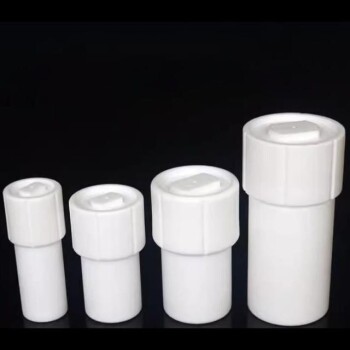
- Custom PTFE Teflon Parts Manufacturer for Microwave Digestion Tank
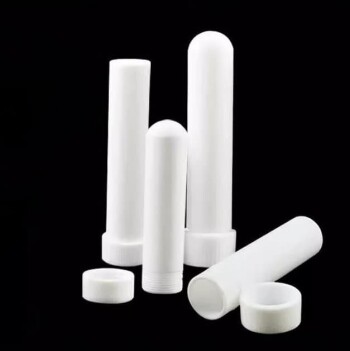
- Custom PTFE Teflon Parts Manufacturer for Hydrothermal Synthesis Reactor Polytetrafluoroethylene Carbon Paper and Carbon Cloth Nano-growth
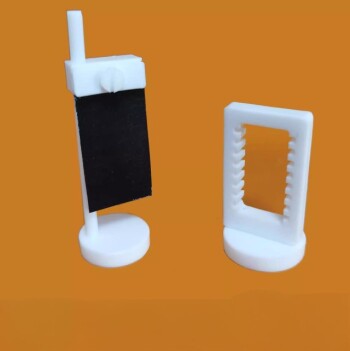
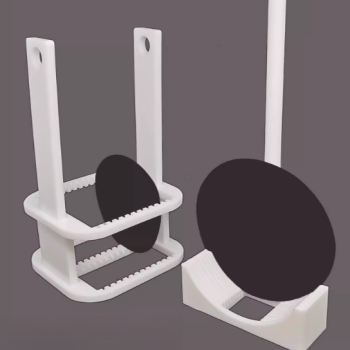
- Customizable PTFE Wafer Carriers for Semiconductor and Lab Applications
- Custom PTFE Teflon Parts Manufacturer F4 Conical Flask Triangular Flask 50 100 250ml
- Stainless High Pressure Autoclave Reactor Laboratory Pressure Reactor
People Also Ask
- Why are PTFE containers required for PCT leaching tests? Ensure Chemical Inertness and Analytical Precision
- Why use high-quality PTFE containers for CO2 reduction electrolytes? Eliminate silicon contamination and ensure data.
- Why is PTFE Mandatory for Hydrofluoric Acid (HF) Handling? Ensure Safety and Data Integrity in Corrosion Testing
- Why is a PTFE container required for acid leaching of silicon nanosheets? Ensure High Purity and Safety
- Why are polytetrafluoroethylene (PTFE) containers essential for assessing the corrosion resistance of glassified waste?