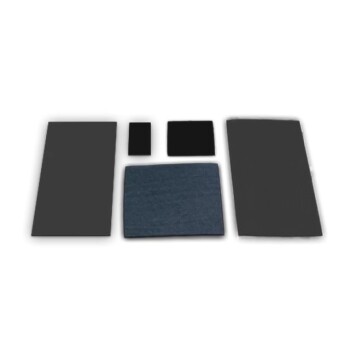
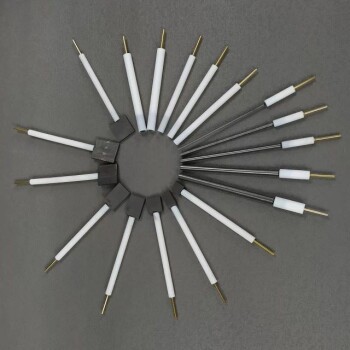
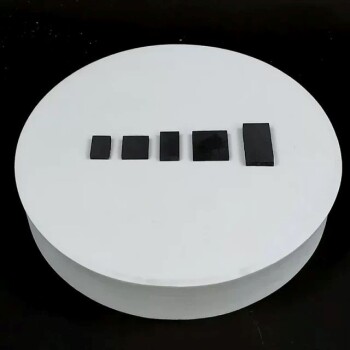
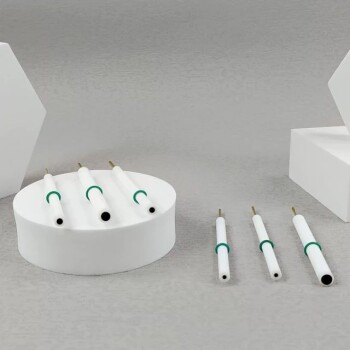
The selection of electrode material is the single most significant physical variable in determining the efficiency of a Microbial Fuel Cell (MFC). In the context of treating Palm Oil Mill Effluent (POME), graphite and carbon cloth are critical because they provide a necessary combination of high electrical conductivity, chemical stability, and a vast porous surface area. These properties allow for the robust growth of electrogenic bacteria and the efficient transfer of electrons, which are the fundamental mechanisms required to generate power from waste.
The success of an MFC depends on bridging the gap between biology and engineering. Graphite and carbon cloth facilitate this by offering a chemically stable, highly conductive scaffold that supports dense biofilm formation, enabling power densities as high as 85.11 mW/m².
The Physical Requirements for Energy Conversion
Ensuring Electrical Conductivity
For an MFC to operate, the electrons released by bacteria during digestion must travel to an external circuit. Graphite and carbon cloth possess high electrical conductivity, which minimizes internal resistance.
This ensures that the energy generated by the microbes is efficiently harvested rather than being lost as heat within the system.
Withstanding Harsh Environments
POME is a complex organic wastewater that can create a chemically aggressive environment. The electrodes must endure this without degrading.
Carbon and graphite cloth offer excellent chemical stability. This prevents the electrode from reacting negatively with the effluent, ensuring consistent performance over time.
Maximizing the Biological Interface
The Importance of Porosity
The bacteria responsible for generating electricity (electrogens) need a physical structure to inhabit. The porous structure of carbon cloth provides a massive surface area relative to its physical footprint.
This porosity allows the material to host a much larger population of bacteria than a smooth surface could support.
Facilitating Biofilm Formation
The efficiency of an MFC is directly tied to the health of the "biofilm"—the layer of bacteria attached to the anode. Carbon cloth facilitates the rapid attachment and growth of these microbial communities.
A dense, well-established biofilm is essential for breaking down the organic matter in POME and releasing electrons.
Translating Biology into Power
Efficient Electron Transfer
It is not enough to simply have bacteria present; they must be able to offload electrons to the electrode. The structure of graphite cloth promotes the efficient transfer of metabolically produced electrons from the bacteria to the anode.
This efficient transfer is the bottleneck of many systems; overcoming it with the right material is key to high performance.
Real-World Power Density
The quality of the electrode material has a measurable impact on output. Using high-quality carbon-based electrodes significantly increases the output power density.
Specific studies indicate that with these materials, energy recovery levels can reach 85.11 mW/m² when treating POME, proving the direct link between material selection and energy generation.
Understanding the Trade-offs
The Necessity of Quality
Not all carbon materials are created equal. To achieve the power densities cited (85.11 mW/m²), the use of high-quality electrodes is non-negotiable.
Surface Area vs. System Complexity
While the porous structure is critical for surface area, it introduces complexity in terms of material handling compared to solid rods or plates. However, the trade-off is heavily weighted in favor of cloth materials due to the massive gain in microbial attachment sites.
Making the Right Choice for Your Goal
Selecting the correct electrode configuration is essential for optimizing the treatment of Palm Oil Mill Effluent.
- If your primary focus is maximizing power output: Select high-quality carbon cloth to maximize porosity and biofilm surface area, aiming for power densities near 85.11 mW/m².
- If your primary focus is process stability: Prioritize the chemical stability of the graphite material to ensure the electrode does not degrade during long-term exposure to POME.
By anchoring your design in high-conductivity, porous carbon materials, you ensure the biological potential of your system is fully translated into usable electrical energy.
Summary Table:
| Electrode Property | Benefit in MFC Performance | Impact on POME Treatment |
|---|---|---|
| High Conductivity | Minimizes internal resistance | Efficient harvesting of harvested energy |
| Chemical Stability | Resists degradation in wastewater | Ensures long-term system durability |
| Porous Structure | Maximizes surface area | Supports dense biofilm & microbial growth |
| Electron Transfer | Enhances metabolic efficiency | Achieves power densities up to 85.11 mW/m² |
Optimize Your Renewable Energy Research with KINTEK
Maximize the power density of your Microbial Fuel Cells with high-performance electrode materials from KINTEK. As specialists in laboratory equipment, we provide the precision tools needed for advanced energy research—from high-quality graphite and carbon materials for biofilm growth to electrolytic cells, electrodes, and high-temperature reactors for complex waste processing.
Whether you are treating POME or developing next-generation battery technologies, our comprehensive range of consumables and cooling solutions ensures consistent, reliable results. Contact KINTEK today to discuss your project requirements and see how our expertise can accelerate your lab's breakthroughs!
References
- Mohd Nor Faiz Norrrahim, Ahmad Aiman Zulkifli. Emerging technologies for value-added use of oil palm biomass. DOI: 10.1039/d2va00029f
This article is also based on technical information from Kintek Solution Knowledge Base .
Related Products
- Conductive Carbon Cloth Carbon Paper Carbon Felt for Electrodes and Batteries
- Graphite Disc Rod and Sheet Electrode Electrochemical Graphite Electrode
- Glassy Carbon Sheet RVC for Electrochemical Experiments
- High Purity Pure Graphite Crucible for Electron Beam Evaporation
- Glassy Carbon Electrochemical Electrode
People Also Ask
- What are the electrode materials? A Guide to Choosing the Right Conductor for Your Application
- What are the examples of electrode materials? From Platinum to Graphite for Your Application
- How should carbon materials be cleaned before use? Ensure Peak Performance with Proper Prep
- What are carbon cloths used for? Conquer Static Dust on Electronics & Screens
- How can the electrolyte wettability of carbon cloth be enhanced? Unlock Superior Electrochemical Performance