Toggle Categories
Get Instant Support
Choose your preferred way to connect with our team
Response Time
Within 8 hours on working days, 24 hours on holidays
Lab Consumables & Materials
KinTek offers a range of lab consumables and materials, including evaporation materials, targets, metals, electrochemistry parts, as well as powders, pellets, wires, strips, foils, plates, and more.


Lab Consumables & Materials
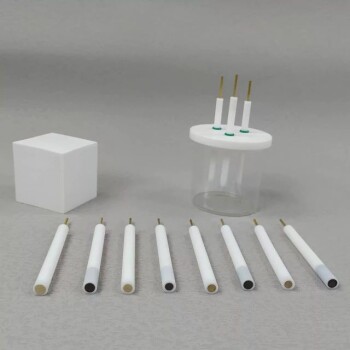

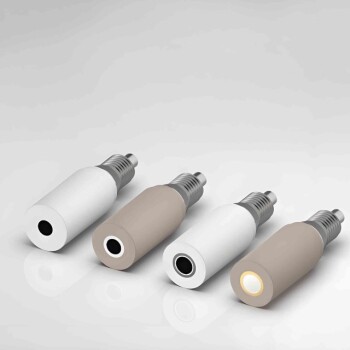
Hexagonal Boron Nitride HBN Spacer Cam Profile and Various Spacer Types
Item Number: KE-D3
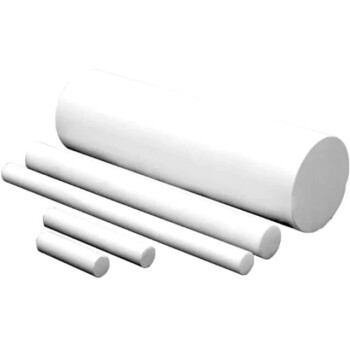
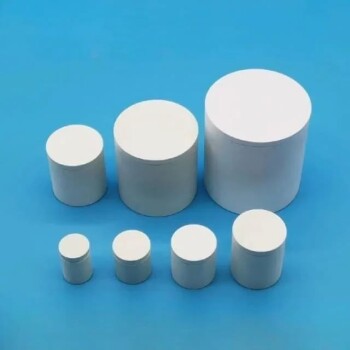
Boron Nitride (BN) Ceramic Rod for High Temperature Applications
Item Number: KM-D4
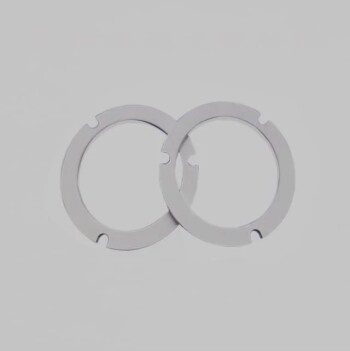
Hexagonal Boron Nitride HBN Ceramic Ring
Item Number: KM-D6

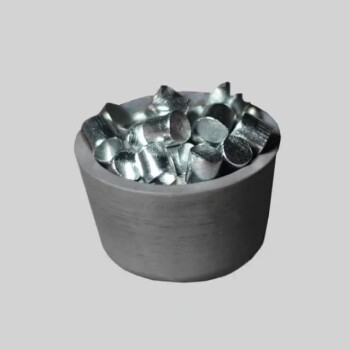
Boron Nitride (BN) Crucible for Phosphorous Powder Sintered
Item Number: KM-D01

Lab Electrochemical Workstation Potentiostat for Laboratory Use
Item Number: KT-CHIP

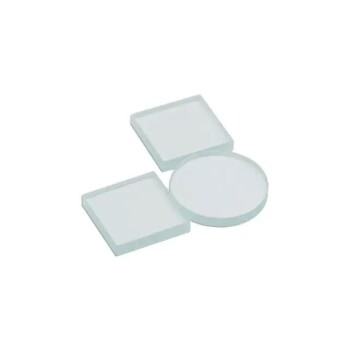
Float Soda-Lime Optical Glass for Laboratory Use
Item Number: KTOM-FSO

MgF2 Magnesium Fluoride Crystal Substrate Window for Optical Applications
Item Number: KTOM-MFS

PTFE Electrolytic Cell Electrochemical Cell Corrosion-Resistant Sealed and Non-Sealed
Item Number: ELCP
$29.90
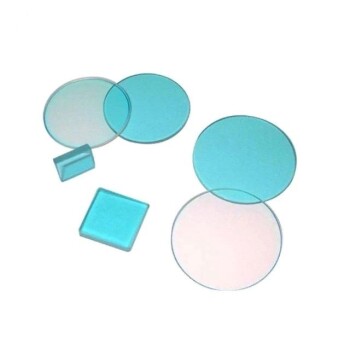
Longpass Highpass Filters for Optical Applications
Item Number: KTOM-LHF
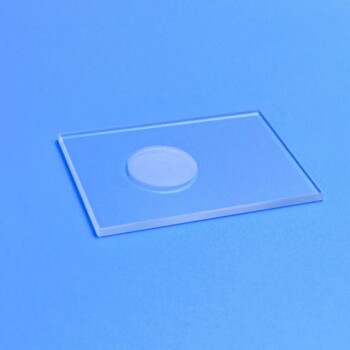
XRD Sample Holder X-ray Diffractometer Powder Slide
Item Number: KTOM-XRD
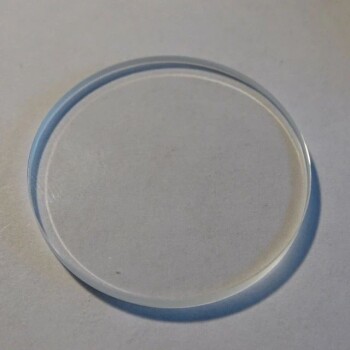
400-700nm Wavelength Anti Reflective AR Coating Glass
Item Number: KTOM-ARG
Button Battery Case for Battery Lab Applications
Item Number: BC-01
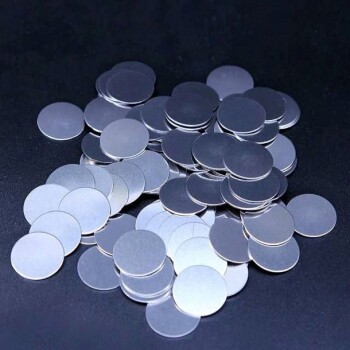
Button Battery Case Gasket for Battery Lab Applications
Item Number: BC-02

Cylindrical Battery Steel Case for Battery Lab
Item Number: BC-03
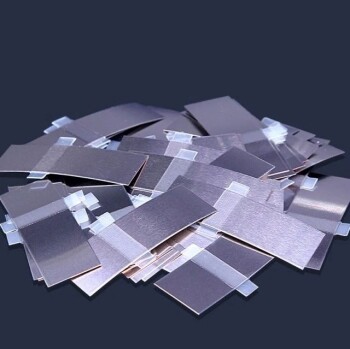
Nickel Aluminum Tabs for Soft Pack Lithium Batteries
Item Number: BC-11
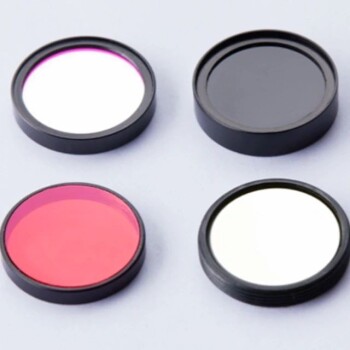
Narrow Band Pass Filters for Precision Applications
Item Number: KTOM-NBF
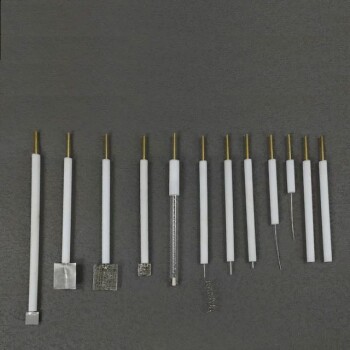
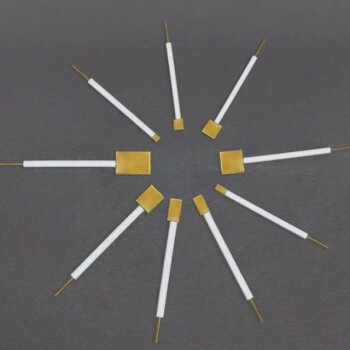

Reference Electrode Calomel Silver Chloride Mercury Sulfate for Laboratory Use
Item Number: ELERA
$19.90
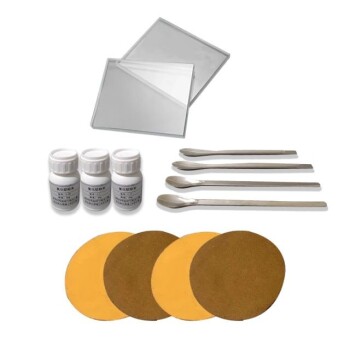

Conductive Carbon Cloth Carbon Paper Carbon Felt for Electrodes and Batteries
Item Number: ELCPF
$19.90
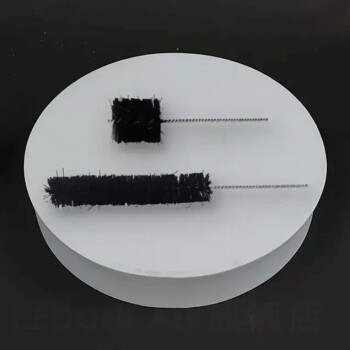
Conductive Carbon Fiber Brush for Static Removal and Cleaning
Item Number: ELBCF
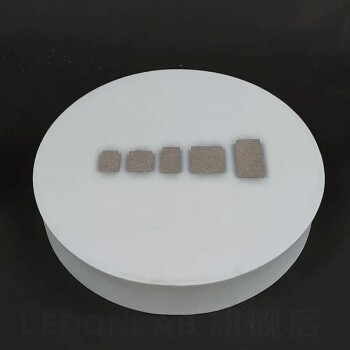
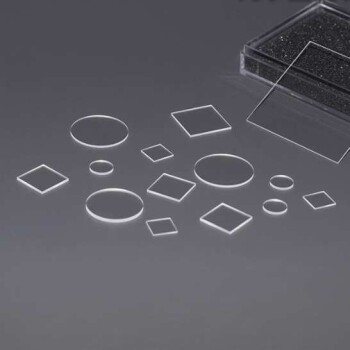
Infrared Transmission Coating Sapphire Sheet Substrate Window
Item Number: KTOM-ISS
REQUEST A QUOTE
Our professional team will reply to you within one business day. Please feel free to contact us!
Related Articles
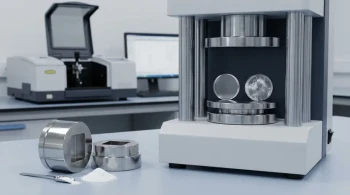
Why Your FTIR/XRF Results Are Inconsistent—And How to Fix It for Good
Stop blaming your spectrometer. Discover the hidden culprit behind inconsistent FTIR/XRF results and learn how to achieve perfect analytical data every time.

The Architecture of Isolation: Deconstructing the Super-Sealed Electrolytic Cell
Discover the engineering behind super-sealed electrolytic cells. We analyze the critical role of PTFE flanges and how total atmospheric isolation protects sensitive research.

The Silent Volatility: Mastering the Art and Safety of Electrolytic Cells
Electrolytic cell safety requires more than just PPE. It demands a systemic approach to managing invisible chemical, electrical, and physical hazards.
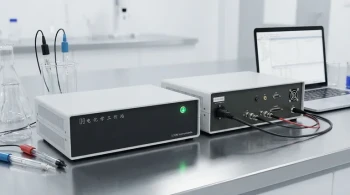
The Architecture of Certainty: Why Three Electrodes Are Better Than Two
Discover why the three-electrode system is the standard for electrochemical precision, separating current flow from voltage measurement for true analytical clarity.

The Silent Variable: Why Meticulous Cell Care Defines Electrochemical Truth
Discover why rigorous maintenance of super-sealed electrolytic cells is the secret to reproducible data. Expert tips on cleaning, storage, and electrode care.

The Geometry of Control: Why Millimeters Dictate Experimental Destiny
In electrochemistry, the difference between success and failure often lies in aperture size. Explore the engineering logic behind Φ 6.2mm and Φ 3.2mm standards.
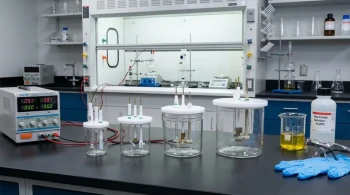
The Glass Heart of the Experiment: Mastering the Electrolytic Cell
Master the art of handling electrolytic cells. Learn the critical balance between physical fragility, chemical safety, and operational precision.

The Architecture of Silence: Purity in the Five-Port Cell
Preventing contamination is not just about cleaning; it is about system management. Master the protocols for glass and PTFE to ensure electrochemical precision.
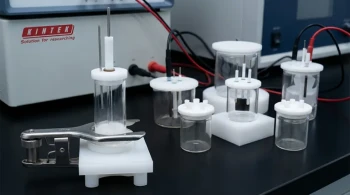
The Invisible Variable: Why Cell Geometry Defines Electrochemical Success
Discover how selecting the right quartz electrolytic cell volume and geometry impacts experimental accuracy. From standard 30ml units to custom designs.
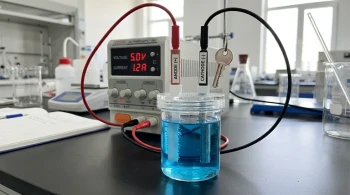
The Invisible Valve: Why Electrode Polarity Dictates Chemical Destiny
Electrode polarity isn't just a label; it determines where oxidation and reduction occur. Master the physics of the electrolytic cell to prevent failure.
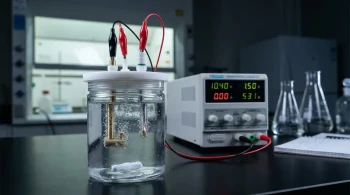
The Architecture of Electron Flow: Mastering Control in Electrolytic Cells
True control in electrolysis isn't just about power. Explore the interplay of voltage, current, and electrolyte composition for precise chemical synthesis.
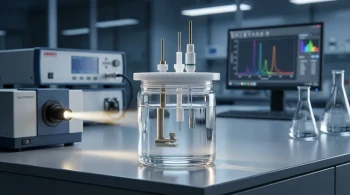
The Architecture of Precision: Why Your Electrolytic Cell Specs Matter More Than You Think
Discover the critical logic behind electrolytic cell specifications. From aperture geometry to volume trade-offs, learn how the right vessel defines experimental success.

The Art of Preservation: Protecting Your Electrolytic Cells and Your Data
Avoid the two cardinal sins of cell cleaning. Discover how gentle precision and correct chemistry protect your electrolytic cells and ensure data integrity.
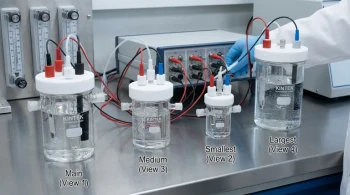
The Geometry of Control: Why Cell Volume is the Invisible Variable
Discover why electrolytic cell volume—from 10ml to 1000ml—is a critical active variable in electrochemical stability, thermal control, and data accuracy.

The Art of Isolation: Why Super-Sealed Cells Define Modern Electrochemistry
Discover how super-sealed electrolytic cells eliminate environmental variables, ensuring precision in battery testing, corrosion research, and chemical synthesis.

The Thin Glass Line: Engineering Safety in Sealed Electrolytic Systems
Master the art of operating super-sealed electrolytic cells. A deep dive into managing chemical, electrical, and physical risks with systemic precision.
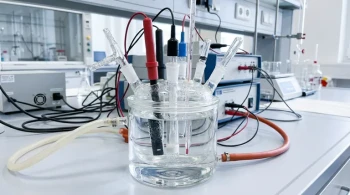
The Art of the Sealed System: Mastering the Five-Port Electrolytic Cell
Mastering the five-port electrolytic cell requires more than just chemistry; it demands a systematic approach to connections, temperature, and atmospheric control.
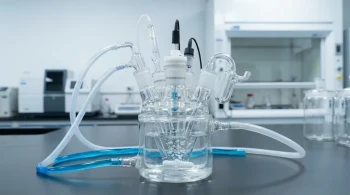
The Architecture of Control: Why the Five-Port Cell is More Than Glassware
Maximize experimental precision with the five-port water bath electrolytic cell. Master temperature, potential, and atmosphere for reproducible data.
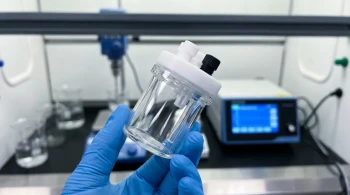
The Transparency Paradox: Mastering the Fragile Precision of All-Quartz Cells
Quartz cells offer unmatched optical purity but demand rigorous discipline. Learn the essential protocols for inspection, thermal management, and handling.

The Geometry of Control: Why Millimeters Matter in Electrochemistry
Understanding the standard specifications of quartz electrolytic cells—Φ6.2mm and Φ3.2mm openings—and how they define experimental boundaries.