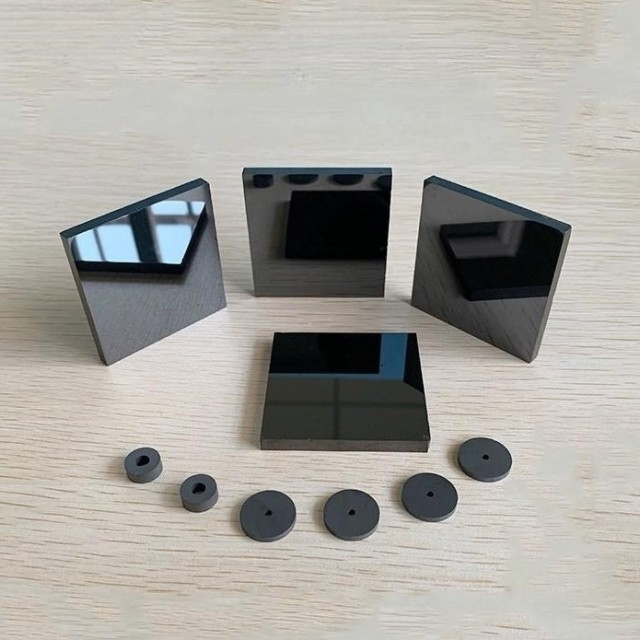
fine ceramics
Silicon Carbide (SIC) Ceramic Sheet Wear-Resistant Engineering Advanced Fine Ceramics
Item Number : KM-DG02
Price varies based on specs and customizations
- Material
- Silicon carbide
- Specification
- See the form

Shipping:
Contact us to get shipping details Enjoy On-time Dispatch Guarantee.
Why Choose Us
Easy ordering process, quality products, and dedicated support for your business success.
Application
Wear-resistant silicon carbide plate/RBSiC/SiSiC silicon carbide plate is composed of high-purity silicon carbide and ultrafine powder, which is formed by vibration molding and high-temperature sintering, and has good high-temperature thermal conductivity and load-bearing capacity. The manufacturing process is cost-effective and simple, and it is easy to use. They are easy to install and integrate seamlessly into various systems. Reaction Bonded Silicon Carbide (RBSiC) plates feature thinner walls and a space-saving design for efficient use of furnace or application space. The plates last longer compared to alumina ceramic and polyurethane, ensuring durability. They can be customized in porous, edged or multi-edged shapes to meet specific requirements.
- Daily-use ceramics: Silicon nitride plates are used to produce sanitary ware, electric porcelain and other daily-use ceramics.
- Industrial Furnace: It is used in industrial furnace because of its high temperature resistance and thermal shock resistance.
- Flue gas desulfurization: Silicon nitride plates are used in the flue gas desulfurization process, which can withstand high temperature and corrosive environments.
- Automotive and Machinery: Due to their wear resistance and durability, these sheets are used in the automotive industry, water pumps, boilers and machinery.
- Metallurgy and chemical industry: It is used in metallurgical process and chemical industry because of its corrosion resistance and high temperature resistance.
- Aerospace and Military: Silicon nitride sheets are used in aerospace and military applications due to their high strength and thermal properties.
Detail & Parts
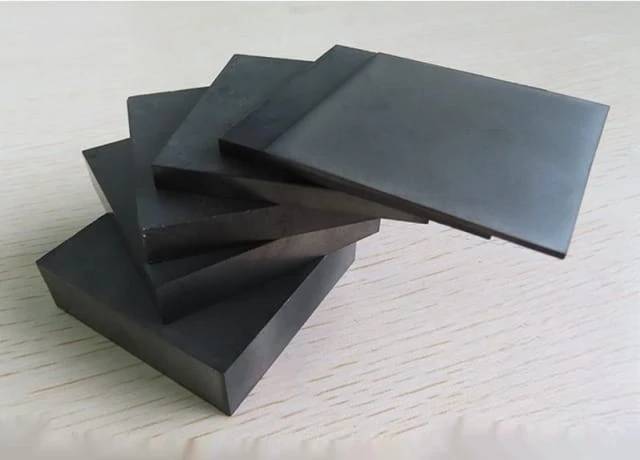
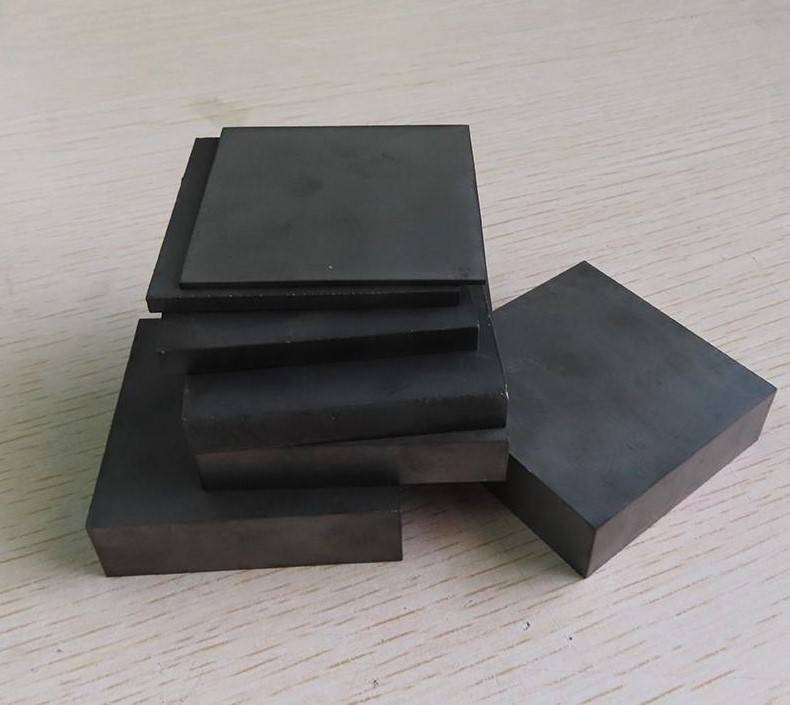
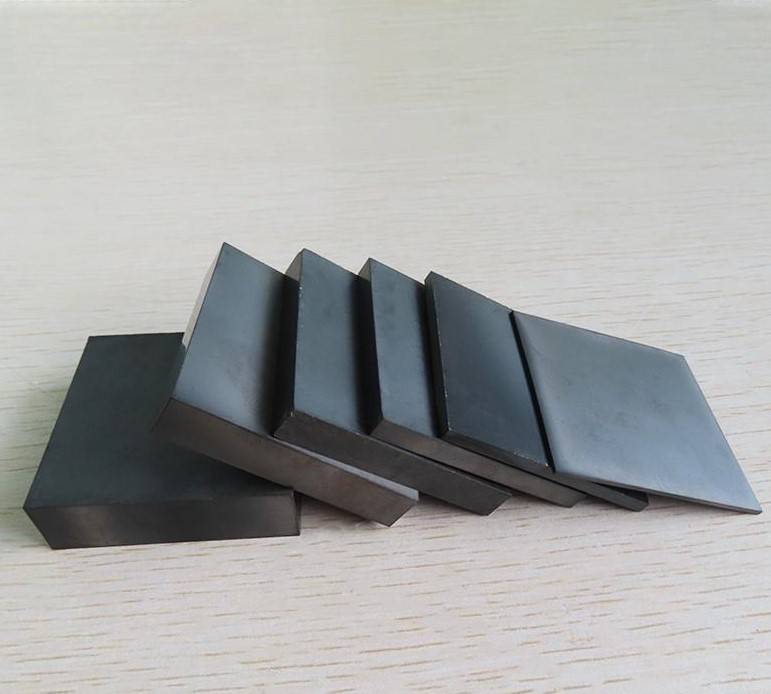
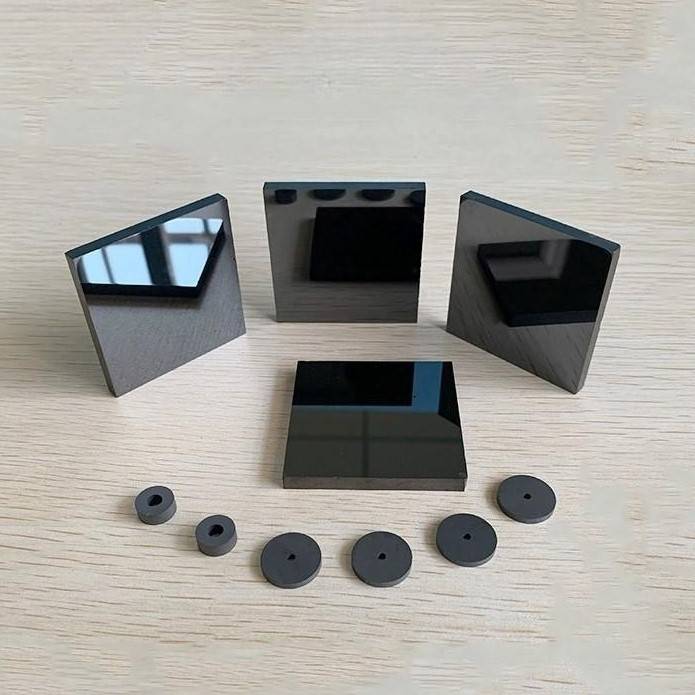
Technical specifications
| Round 15*3mm | 40*40*1mm | 50*50*4/5/6mm | 100*100*5mm | 150*150*5mm |
| 5*5*1mm | 40*40*2mm | 50*50*8/10mm | 100*100*7mm | 15*15*1mm (one side polished) |
| 10*10*4mm | 50*50*1mm | 50*50*14mm | 100*100*10mm | 50*50*1mm (one side polished) |
| 20*20*3mm | 50*50*2mm | 100*100*3mm | 100*100*15mm | |
| 20*20*5mm | 50*50*3mm | 100*100*4mm | 100*100*20mm |
The produce we show are available in different sizes and custom sizes are available on request.
| Project | Unit | Vacuum Sintering SiC | Reaction Bonded SiC |
|---|---|---|---|
| Density | g/cc | >3.12 | 3.05-3.08 |
| Surface roughness | um | 0.6 | 0.6-0.8 |
| Hardness | Hs | >115 | >110 |
| Apparent porosity | % | <0.2 | <0.3 |
| Compressive strength | MPa | >2500 | >2500 |
| Flexural strength | MPa | >380 | >350 |
| Free silicon content | % | <1 | <10 |
| Purity (Silicon Carbide Content) | % | ≥99 | ≥90 |
| Elastic modulus | GPa | 410 | 400 |
| Thermal conductivity | Cal/cm.s.℃ | 0.3 | 0.32 |
| Coefficient of thermal expansion | i/℃ | 4.2×10^6 | 4×10^6 |
| Operating temperature | ℃ | 1400 | 1300 |
Advantages
- Good temperature resistance: the silicon nitride plate can withstand a wide temperature range, from -50°C to 1350°C.
- Smooth Surface: The ceramic surface is smooth, dirt-resistant and dust-proof.
- High strength, high hardness: Silicon nitride plate has excellent mechanical properties, including high strength, high hardness and high wear resistance.
- Thermal shock resistance: It has good thermal shock resistance and can be heated and cooled rapidly in high temperature environment.
- Corrosion resistance and oxidation resistance: Silicon nitride plate has the characteristics of corrosion resistance and oxidation resistance, and is suitable for various harsh environments.
- Good thermal conductivity: It has high thermal conductivity, which is conducive to efficient heat transfer.
- Energy saving: The silicon nitride board is ultra-thin and has a high packing density, which can save energy.
Trusted by Industry Leaders
FAQ
What Are Advanced Ceramics?
What Are The Main Applications Of Fine Ceramics?
What Are Engineering Ceramics?
What Are The Main Types Of Advanced Ceramics?
What Are The Main Types Of Fine Ceramics?
What Are The Main Types Of Engineering Ceramics?
What Are The Applications Of Advanced Ceramics?
What Is The Principle Behind Fine Ceramics?
What Are The Applications Of Engineering Ceramics?
How Are Advanced Ceramics Manufactured?
What Are The Advantages Of Using Fine Ceramics?
How Do Engineering Ceramics Differ From Traditional Ceramics?
What Are The Advantages Of Using Advanced Ceramics?
What Are The Advantages Of Using Alumina Ceramics?
What Is The Difference Between Alumina And Zirconia Ceramics?
Why Are Zirconia Ceramics Preferred In Certain Applications?
Why Are Silicon Carbide Ceramics Used In High-temperature Applications?
What Makes Silicon Carbide Ceramics Suitable For High-temperature Applications?
What Makes Boron Nitride Ceramics Unique?
How Are Boron Nitride Ceramics Used In Electronics?
How Do Advanced Ceramics Contribute To Energy Efficiency?
What Is The Manufacturing Process Of Engineering Ceramics?
Can Engineering Ceramics Be Customized For Specific Applications?
REQUEST A QUOTE
Our professional team will reply to you within one business day. Please feel free to contact us!
Related Products
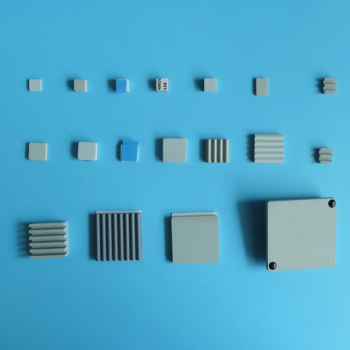
Silicon Carbide (SIC) Ceramic Sheet Flat Corrugated Heat Sink for Engineering Advanced Fine Ceramics
Silicon carbide (sic) ceramic heat sink not only does not generate electromagnetic waves, but also can isolate electromagnetic waves and absorb part of electromagnetic waves.
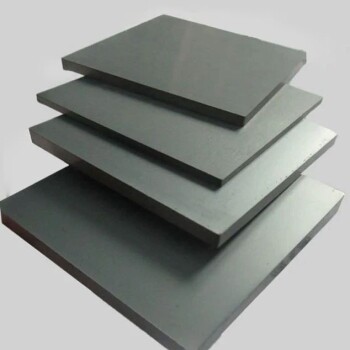
Silicon Carbide (SIC) Ceramic Plate for Engineering Advanced Fine Ceramics
Silicon nitride (sic) ceramic is an inorganic material ceramic that does not shrink during sintering. It is a high-strength, low-density, high-temperature-resistant covalent bond compound.
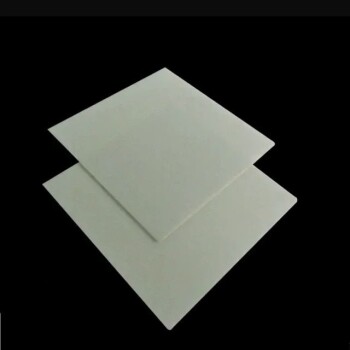
Precision Machined Silicon Nitride (SiN) Ceramic Sheet for Engineering Advanced Fine Ceramics
Silicon nitride plate is a commonly used ceramic material in the metallurgical industry due to its uniform performance at high temperatures.
Glassy Carbon Sheet RVC for Electrochemical Experiments
Discover our Glassy Carbon Sheet - RVC. Perfect for your experiments, this high-quality material will elevate your research to the next level.
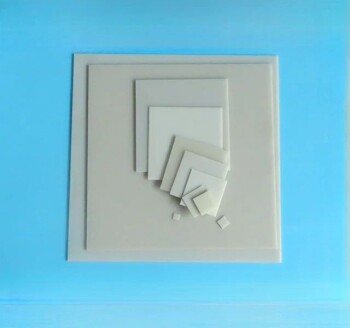
Advanced Engineering Fine Ceramics Aluminum Nitride (AlN) Ceramic Sheet
Aluminum nitride (AlN) has the characteristics of good compatibility with silicon. It is not only used as a sintering aid or reinforcing phase for structural ceramics, but its performance far exceeds that of alumina.
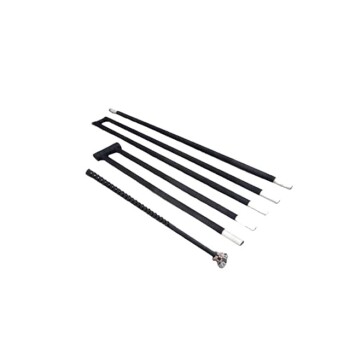
Silicon Carbide SiC Thermal Heating Elements for Electric Furnace
Experience the advantages of Silicon Carbide (SiC) Heating Element: Long service life, high corrosion and oxidation resistance, fast heating speed, and easy maintenance. Learn more now!
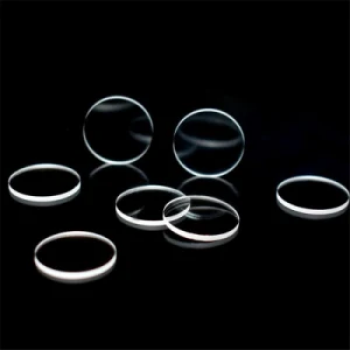
High Temperature Resistant Optical Quartz Glass Sheet
Discover the power of optical glass sheets for precise light manipulation in telecommunications, astronomy, and beyond. Unlock advancements in optical technology with exceptional clarity and tailored refractive properties.
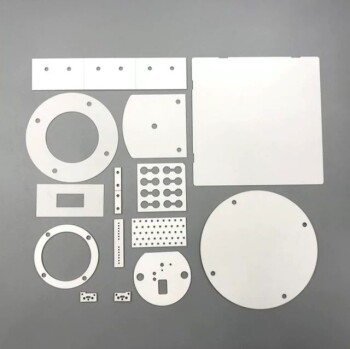
Custom-Made Alumina Zirconia Special-Shaped Ceramic Plates for Engineering Advanced Fine Ceramics Processing
Alumina ceramics have good electrical conductivity, mechanical strength and high temperature resistance, while zirconia ceramics are known for their high strength and high toughness and are widely used.
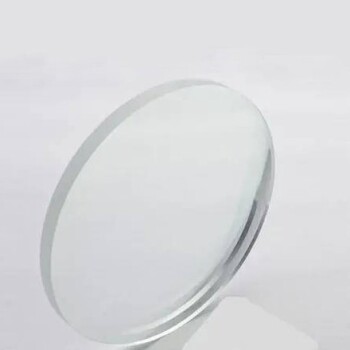
Optical Ultra-Clear Glass Sheet for Laboratory K9 B270 BK7
Optical glass, while sharing many characteristics with other types of glass, is manufactured using specific chemicals that enhance properties crucial for optics applications.

Professional Cutting Tools for Carbon Paper Cloth Diaphragm Copper Aluminum Foil and More
Professional tools for cutting lithium sheets, carbon paper, carbon cloth, separators, copper foil, aluminum foil, etc., with round and square shapes and different sizes of blades.
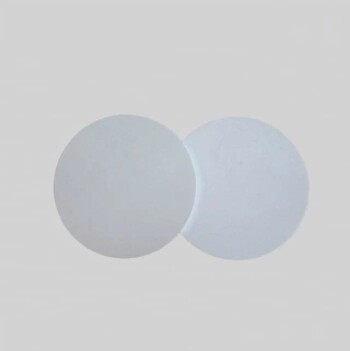
Boron Nitride (BN) Ceramic Plate
Boron nitride (BN) ceramic plates do not use aluminum water to wet, and can provide comprehensive protection for the surface of materials that directly contact molten aluminum, magnesium, zinc alloys and their slag.
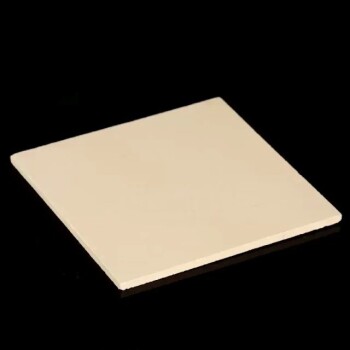
Precision Machined Yttria Stabilized Zirconia Ceramic Plate for Engineering Advanced Fine Ceramics
Yttrium-stabilized zirconia has the characteristics of high hardness and high temperature resistance, and has become an important material in the field of refractories and special ceramics.
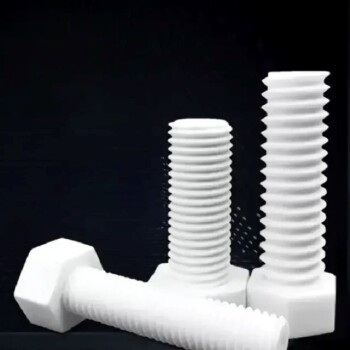
High Quality Alumina Ceramic Screw for Engineering Advanced Fine Ceramics with High Temperature Resistance and Insulation
Alumina ceramic screws are fastening components made of 99.5% alumina, ideal for extreme applications requiring excellent thermal resistance, electrical insulation and chemical resistance.
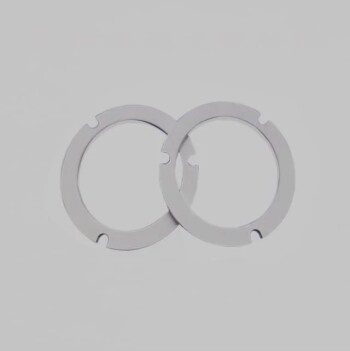
Hexagonal Boron Nitride HBN Ceramic Ring
Boron nitride ceramic (BN) rings are commonly used in high temperature applications such as furnace fixtures, heat exchangers and semiconductor processing.
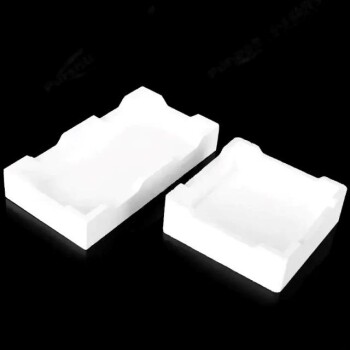
Advanced Engineering Fine Ceramics Alumina Ceramic Saggar for Fine Corundum
Alumina sagger products have the characteristics of high temperature resistance, good thermal shock stability, small expansion coefficient, anti-stripping, and good anti-powdering performance.
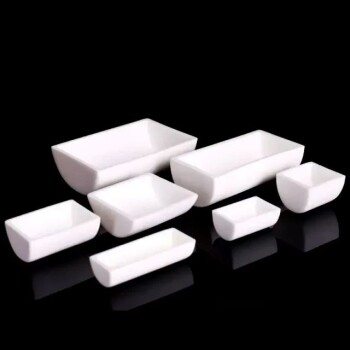
Alumina Al2O3 Ceramic Crucible Semicircle Boat with Lid for Engineering Advanced Fine Ceramics
Crucibles are containers widely used for melting and processing various materials, and semicircular boat-shaped crucibles are suitable for special smelting and processing requirements. Their types and uses vary by material and shape.
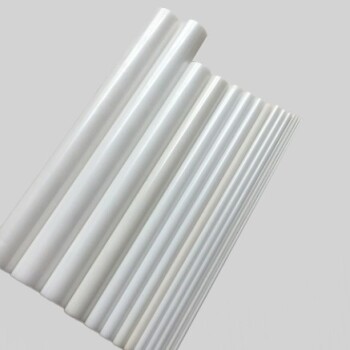
Precision Machined Yttrium Stabilized Zirconia Ceramic Rod for Engineering Advanced Fine Ceramics
Zirconia ceramic rods are prepared by isostatic pressing, and a uniform, dense and smooth ceramic layer and transition layer are formed at high temperature and high speed.

Engineering Advanced Fine Ceramics Alumina Al2O3 Crucible With Lid Cylindrical Laboratory Crucible
Cylindrical Crucibles Cylindrical crucibles are one of the most common crucible shapes, suitable for melting and processing a wide variety of materials, and are easy to handle and clean.
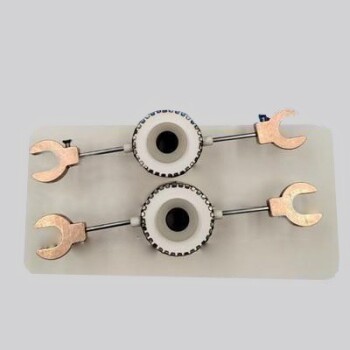
Aluminized Ceramic Evaporation Boat for Thin Film Deposition
Vessel for depositing thin films; has an aluminum-coated ceramic body for improved thermal efficiency and chemical resistance. making it suitable for various applications.
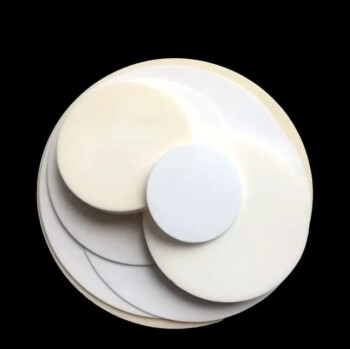
Engineering Advanced Fine Ceramics Aluminum Oxide Al2O3 Heat Sink for Insulation
The hole structure of the ceramic heat sink increases the heat dissipation area in contact with the air, which greatly enhances the heat dissipation effect, and the heat dissipation effect is better than that of super copper and aluminum.
Related Articles

The Evolution and Strategic Importance of Advanced Ceramics
An in-depth analysis of the development, classification, and strategic importance of advanced ceramics in various industrial and technological fields.
Engineering Ceramic Materials: Applications in Aerospace, Electronic Information, New Energy, and Environmental Protection
This article explores the diverse applications of engineering ceramic materials across aerospace, electronic information, new energy, and environmental protection sectors.
Advancements in Engineering Ceramic Materials
Explores new engineering ceramics with exceptional properties and applications in harsh environments, comparing them to traditional materials.
Precautions for installing silicon carbide stick
Precautions for installing silicon carbide stic.
The 5 Hottest Advanced Ceramic Powders Currently Available!
An overview of the top 5 advanced ceramic powders: High Purity Aluminum Oxide, Boehmite, Aluminum Nitride, Silicon Nitride, and Spherical Alumina, highlighting their applications and market trends.
Precision Ceramic Materials for Energy Conversion Applications
Overview of various ceramic materials used in energy conversion technologies, including heaters, piezoelectric ceramics, and solid oxide fuel cells.
Precision Ceramics in Semiconductor Applications
Exploring the use of precision ceramics in semiconductor equipment, their properties, and manufacturing processes.
Advanced Alumina Ceramics: Applications and Manufacturing Techniques
This article discusses the applications and manufacturing techniques of advanced alumina ceramics, including molds, isostatic pressing, and green bodies.
Why Your High-Temperature Furnace Elements Fail: The Critical Difference in Silicon Carbide
Furnace downtime from failing SiC heating elements costs time and money. Discover the critical material difference that ensures reliability in extreme applications.
Comprehensive Overview of Zirconia Ceramic Materials
A detailed exploration of zirconia ceramics, including properties, history, preparation, molding, sintering, and applications.
Research on Zirconia Ceramics in Dental Restoration
Explores the properties, preparation, and advantages of zirconia ceramics in dental restoration.
Understanding Oxide Ceramics: Concepts, Classification, and Applications
This article delves into the concept, classification, and diverse applications of oxide ceramics, highlighting their significance in various high-tech fields.