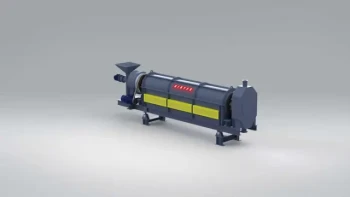
High-temperature tube furnaces and rotary furnaces facilitate regeneration by subjecting spent activated carbon to a controlled, high-heat environment. This thermal treatment triggers the pyrolysis, desorption, or oxidative decomposition of organic molecules that have become trapped within the carbon's internal structure. By effectively burning off or vaporizing these contaminants, the equipment restores the carbon's original porous capability without destroying the material itself.
Core Takeaway By reversing the adsorption process through thermal treatment, these furnaces allow for the circular reuse of expensive filter media. This restores the specific surface area and pore volume of the carbon, significantly lowering operational costs and reducing the need for continuous raw material consumption.
The Mechanics of Thermal Regeneration
Triggering Desorption and Pyrolysis
The primary function of these furnaces is to apply heat intense enough to break the bond between the carbon and the contaminant.
When the furnace reaches specific temperatures (often around 815°C for applications like PFAS removal), it forces adsorbed organic compounds to desorb (release) or pyrolyze (decompose chemically).
Oxidative Decomposition
Beyond simple heating, these furnaces can facilitate oxidative decomposition.
This process breaks down complex organic structures into simpler, volatile gases. This ensures that the contaminants are not just released, but effectively destroyed or removed from the solid matrix.
Restoring Pore Structure
The ultimate technical goal is the restoration of the carbon's physical properties.
The thermal process clears the "clogged" micropores and mesopores. This restores the specific surface area and pore volume, returning the activated carbon to a state near its original adsorption capacity.
Operational and Economic Impact
Increasing Material Turnover
Using high-temperature furnaces transforms activated carbon from a single-use consumable into a reusable asset.
This capability significantly increases the turnover rate of adsorbents. Facilities can cycle the same batch of material multiple times rather than discarding it after saturation.
Cost Reduction in Water Treatment
The economic implications for large-scale operations, such as water treatment, are substantial.
By regenerating spent carbon, operators drastically reduce the operational costs associated with purchasing new expensive consumables. It also lowers the lifecycle environmental impact by minimizing waste.
Understanding the Trade-offs
Thermal Limits and Material Loss
While regeneration is efficient, it must be carefully controlled to avoid damaging the carbon skeleton itself.
Operating at temperatures slightly below the initial activation heat prevents excessive burn-off of the carbon. However, a small percentage of the carbon mass is inevitably lost during every regeneration cycle due to attrition.
Energy Intensity
Regeneration requires maintaining high temperatures (often 800°C to 1000°C) for extended periods.
While this saves money on materials, it shifts the cost burden to energy consumption. The efficiency of the furnace insulation and heat recovery systems becomes a critical factor in the overall ROI.
Making the Right Choice for Your Goal
To maximize the value of your thermal regeneration process, consider your specific operational priorities:
- If your primary focus is cost reduction: Prioritize high-capacity rotary furnaces to maximize the throughput and turnover rate of your adsorbent inventory.
- If your primary focus is contaminant destruction (e.g., PFAS): Ensure your equipment can maintain stable temperatures around 815°C to fully pyrolyze persistent chemicals.
- If your primary focus is material longevity: Select furnaces with precise atmosphere controls to clean the pores without oxidizing the carbon skeleton itself.
Thermal regeneration effectively closes the loop on filtration media, turning a waste stream back into a valuable resource.
Summary Table:
| Feature | Thermal Regeneration Impact |
|---|---|
| Mechanism | Pyrolysis, desorption, and oxidative decomposition |
| Typical Temperature | 800°C to 1000°C (e.g., 815°C for PFAS removal) |
| Physical Result | Restores pore volume and specific surface area |
| Economic Benefit | Reduces raw material costs; enables circular reuse |
| Technical Goal | Clears clogged micropores without destroying carbon skeleton |
Optimize Your Carbon Lifecycle with KINTEK Advanced Furnaces
Maximize the ROI of your filtration processes by transforming spent media into reusable assets. KINTEK specializes in high-performance high-temperature tube, rotary, and atmosphere furnaces designed for precise thermal regeneration.
Whether you are targeting PFAS destruction or reducing water treatment costs, our laboratory and industrial-scale systems provide the thermal stability and atmospheric control needed to restore carbon porosity efficiently.
Our value to you:
- Comprehensive Equipment Portfolio: From tube and rotary furnaces to crushing systems and hydraulic presses.
- Expert Engineering: Systems optimized for energy efficiency and material longevity.
- One-Stop Solution: Laboratory consumables including ceramic crucibles and PTFE products.
Ready to enhance your lab's efficiency and sustainability? Contact our specialists today to find the perfect thermal solution!
References
- Cristina E. Almeida‐Naranjo, Cristina Alejandra Villamar. Emerging Contaminants and Their Removal from Aqueous Media Using Conventional/Non-Conventional Adsorbents: A Glance at the Relationship between Materials, Processes, and Technologies. DOI: 10.3390/w15081626
This article is also based on technical information from Kintek Solution Knowledge Base .
Related Products
- Rotary Tube Furnace Split Multi Heating Zone Rotating Tube Furnace
- Laboratory Vacuum Tilt Rotary Tube Furnace Rotating Tube Furnace
- Vacuum Sealed Continuous Working Rotary Tube Furnace Rotating Tube Furnace
- Electric Rotary Kiln Small Rotary Furnace for Activated Carbon Regeneration
- Electric Rotary Kiln Small Rotary Furnace Biomass Pyrolysis Plant
People Also Ask
- What are the process advantages of using a rotary tube furnace for WS2 powder? Achieve Superior Material Crystallinity
- What are the advantages of using a rotary tube furnace for MoVOx catalysts? Elevate Uniformity and Crystallinity
- What is a rotary tube furnace? Achieve Superior Uniformity for Powders and Granules
- Why is a rotary tube furnace recommended for the calcination stage of potassium vanadium oxide catalysts? Optimize Purity
- Why is a rotary tube furnace preferred over a fixed tube furnace for the carbonization of asphaltenes? Superior Quality