Knowledge How do you check the temperature of a heating element? Choose the Right Tool for Accurate Results
Author avatar

Tech Team · Kintek Solution

Updated 6 days ago

How do you check the temperature of a heating element? Choose the Right Tool for Accurate Results


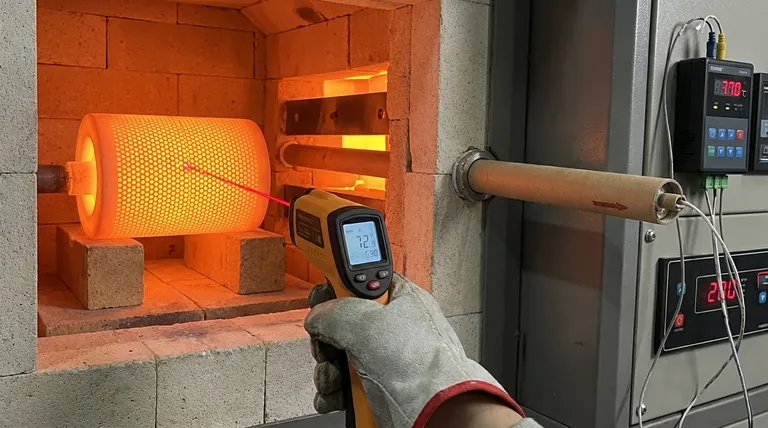
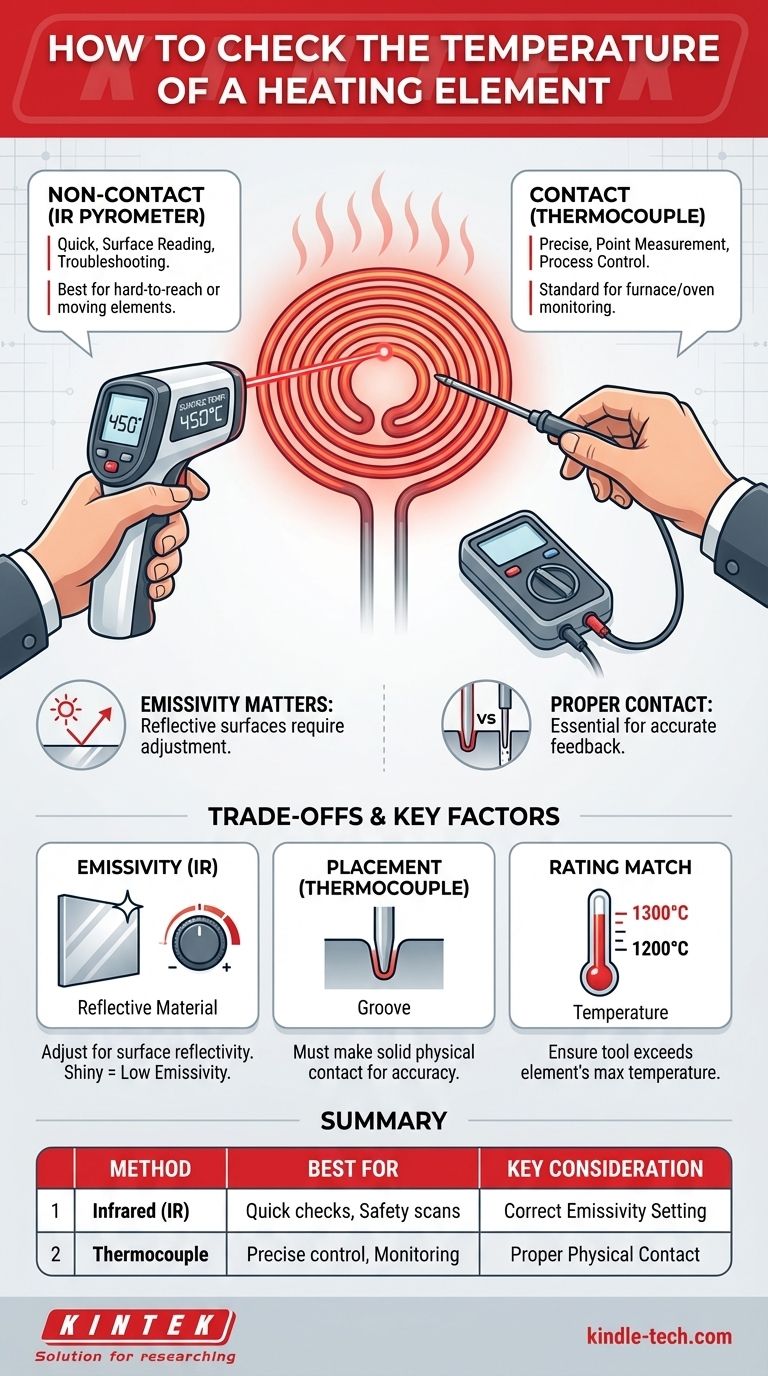
To check the temperature of a heating element, you use one of two primary methods: a non-contact infrared (IR) pyrometer for a fast surface reading from a distance, or a contact-based thermocouple for a precise measurement directly on or near the element. The choice depends entirely on your specific goal, accessibility to the element, and the required level of precision.

The core challenge is not just measuring the heat, but understanding what that measurement represents. A non-contact reading tells you the element's surface temperature, while a contact reading gives you the temperature at a single, specific point, which is often more useful for process control.
How do you check the temperature of a heating element? Choose the Right Tool for Accurate Results

Choosing Your Measurement Method

The right tool depends on whether you are troubleshooting, calibrating a system, or conducting a safety check. Each method provides a different type of data with its own distinct advantages.

Non-Contact Measurement: Infrared (IR) Pyrometers

An IR pyrometer, also known as an infrared thermometer or thermal gun, measures the thermal radiation an object emits without touching it. You simply point the device at the heating element and read the temperature.

This method is ideal for quick spot-checks, measuring elements that are in motion, or checking components that are dangerously hot or difficult to reach.

Contact Measurement: Thermocouples

A thermocouple is a sensor made of two dissimilar metal wires joined at one end. When this junction is heated, it produces a small voltage that corresponds to a specific temperature.

This method is the standard for precise process control, such as inside a furnace or kiln. The thermocouple is typically placed in a fixed position to provide continuous, accurate feedback to a control system.

Understanding the Trade-offs and Key Factors

Simply taking a reading is not enough. To get a measurement you can trust, you must be aware of the limitations and variables that can affect your results.

The Critical Role of Emissivity (For IR)

The accuracy of an IR pyrometer depends heavily on the emissivity of the heating element's surface. Emissivity is a measure of how effectively a surface radiates energy as heat, rated on a scale from 0 to 1.

Shiny, reflective surfaces have low emissivity and can trick an IR gun into giving a falsely low reading. Many pyrometers have an adjustable emissivity setting to compensate for this; otherwise, applying a small spot of high-emissivity paint or tape can provide a more reliable target.

Proper Placement and Contact (For Thermocouples)

For a thermocouple to be accurate, its sensing tip must make solid physical contact with the surface being measured or be properly positioned within the heated environment.

A loose or poorly placed thermocouple will be influenced by the surrounding air temperature, leading to inaccurate readings that do not reflect the true temperature of the heating element.

Matching the Tool to the Element's Rating

Heating elements are designed for specific temperature ranges. For example, standard resistance wire is often rated for 1000-1200℃, while silicon carbide elements can reach 1300℃ or higher.

You must ensure your measurement tool is rated for a temperature range that exceeds the element's maximum capability. Using a thermocouple or pyrometer beyond its specified limit will destroy the sensor and produce invalid data.

Making the Right Choice for Your Goal

Select your method based on the information you actually need to solve your problem.

  • If your primary focus is quick troubleshooting or safety scans: Use a handheld IR pyrometer to quickly identify if an element is energized or if there are hot spots.
  • If your primary focus is precise process control inside a furnace or oven: Use a properly installed thermocouple integrated with your control system for stable and accurate feedback.
  • If your primary focus is design validation or calibration: Consider using both methods. A thermocouple provides a precise anchor point while an IR camera can give you a complete thermal map of the element's surface.

Ultimately, choosing the correct measurement tool is the first step toward controlling your thermal process with confidence.

Summary Table:

Method Best For Key Consideration
Infrared (IR) Pyrometer Quick checks, hard-to-reach elements, safety scans Requires correct emissivity setting for accuracy
Thermocouple Precise process control, furnace/oven monitoring Needs proper physical contact and placement

Need to ensure your heating elements are operating at peak performance? KINTEK specializes in lab equipment and consumables, including high-precision temperature measurement tools. Our experts can help you select the right pyrometer or thermocouple for your specific application, ensuring accurate temperature control and process reliability. Contact us today to discuss your laboratory's heating and temperature monitoring needs!

Visual Guide
How do you check the temperature of a heating element? Choose the Right Tool for Accurate Results Visual Guide

Related Products

People Also Ask

Related Products

Bomb Type Probe for Steelmaking Production Process

Bomb Type Probe for Steelmaking Production Process

Bomb-type probe for precise steelmaking control: measures carbon content (±0.02%) and temperature (20℃ accuracy) in 4-8s. Boost efficiency now!

Shaking Incubators for Diverse Laboratory Applications

Shaking Incubators for Diverse Laboratory Applications

Precision lab shaking incubators for cell culture & research. Quiet, reliable, customizable. Get expert advice today!

5L Chilling Circulator Cooling Water Bath Circulator for Low Temperature Constant Temperature Reaction Bath

5L Chilling Circulator Cooling Water Bath Circulator for Low Temperature Constant Temperature Reaction Bath

Maximize lab efficiency with the KinTek KCP 5L Chilling Circulator. Versatile and reliable, it provides constant chilling power up to -120℃.

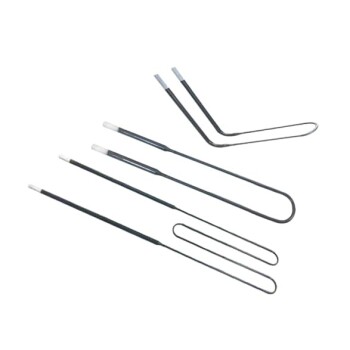
Molybdenum Disilicide (MoSi2) Thermal Elements Electric Furnace Heating Element

Molybdenum Disilicide (MoSi2) Thermal Elements Electric Furnace Heating Element

Discover the power of Molybdenum Disilicide (MoSi2) Heating Element for high-temperature resistance. Unique oxidation resistance with stable resistance value. Learn more about its benefits now!

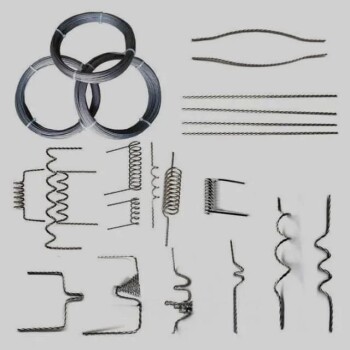
Thermally Evaporated Tungsten Wire for High Temperature Applications

Thermally Evaporated Tungsten Wire for High Temperature Applications

It has a high melting point, thermal and electrical conductivity, and corrosion resistance. It is a valuable material for high temperature, vacuum and other industries.

High Pressure Laboratory Vacuum Tube Furnace Quartz Tubular Furnace

High Pressure Laboratory Vacuum Tube Furnace Quartz Tubular Furnace

KT-PTF High Pressure Tube Furnace: Compact split tube furnace with strong positive pressure resistance. Working temp up to 1100°C and pressure up to 15Mpa. Also works under controller atmosphere or high vacuum.

304 316 Stainless Steel Vacuum Ball Valve Stop Valve for High Vacuum Systems

304 316 Stainless Steel Vacuum Ball Valve Stop Valve for High Vacuum Systems

Discover 304/316 stainless steel vacuum ball valves, Ideal for high vacuum systems, Ensure precise control and durability. Explore now!

Heated Hydraulic Press Machine with Integrated Manual Heated Plates for Lab Use

Heated Hydraulic Press Machine with Integrated Manual Heated Plates for Lab Use

Efficiently process heat-pressing samples with our Integrated Manual Heated Lab Press. With a heating range up to 500°C, it's perfect for various industries.

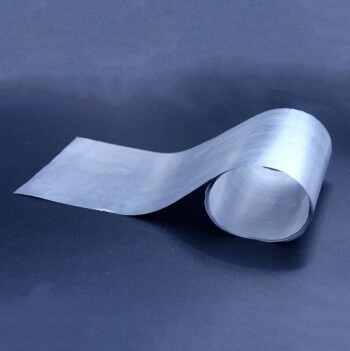
Aluminum Foil Current Collector for Lithium Battery

Aluminum Foil Current Collector for Lithium Battery

The surface of aluminum foil is extremely clean and hygienic, and no bacteria or microorganisms can grow on it. It is a non-toxic, tasteless and plastic packaging material.

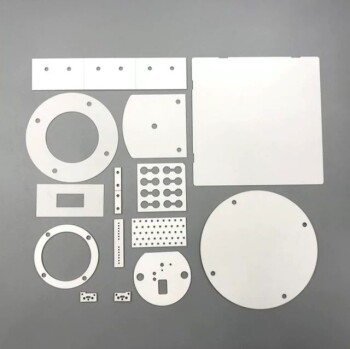
Custom-Made Alumina Zirconia Special-Shaped Ceramic Plates for Engineering Advanced Fine Ceramics Processing

Custom-Made Alumina Zirconia Special-Shaped Ceramic Plates for Engineering Advanced Fine Ceramics Processing

Alumina ceramics have good electrical conductivity, mechanical strength and high temperature resistance, while zirconia ceramics are known for their high strength and high toughness and are widely used.

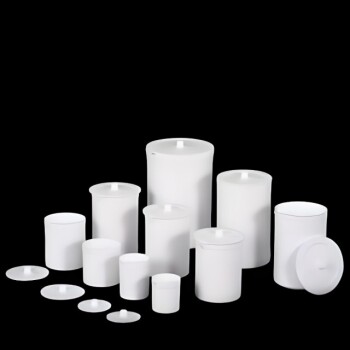
Custom PTFE Teflon Parts Manufacturer PTFE Beaker and Lids

Custom PTFE Teflon Parts Manufacturer PTFE Beaker and Lids

The PTFE beaker is a laboratory container that is resistant to acid, alkali, high and low temperatures and is suitable for temperatures ranging from -200ºC to +250ºC. This beaker has excellent chemical stability and is widely used for heat treatment samples and volume analysis.

Manual High Temperature Heated Hydraulic Press Machine with Heated Plates for Lab

Manual High Temperature Heated Hydraulic Press Machine with Heated Plates for Lab

The High Temperature Hot Press is a machine specifically designed for pressing, sintering and processing materials in a high temperature environment. It is capable of operating in the range of hundreds of degrees Celsius to thousands of degrees Celsius for a variety of high temperature process requirements.

10L Chilling Circulator Cooling Water Bath Low Temperature Constant Temperature Reaction Bath

10L Chilling Circulator Cooling Water Bath Low Temperature Constant Temperature Reaction Bath

Get the KinTek KCP 10L Chilling Circulator for your lab needs. With a stable and quiet chilling power of up to -120℃, it also works as a one chilling bath for versatile applications.

Platinum Sheet Electrode for Laboratory and Industrial Applications

Platinum Sheet Electrode for Laboratory and Industrial Applications

Elevate your experiments with our Platinum Sheet Electrode. Crafted with quality materials, our safe and durable models can be tailored to fit your needs.

RRDE rotating disk (ring disk) electrode / compatible with PINE, Japanese ALS, Swiss Metrohm glassy carbon platinum

RRDE rotating disk (ring disk) electrode / compatible with PINE, Japanese ALS, Swiss Metrohm glassy carbon platinum

Elevate your electrochemical research with our Rotating Disk and Ring Electrodes. Corrosion resistant and customizable to your specific needs, with complete specifications.

High Temperature Wear-Resistant Alumina Al2O3 Plate for Engineering Advanced Fine Ceramics

High Temperature Wear-Resistant Alumina Al2O3 Plate for Engineering Advanced Fine Ceramics

High temperature wear-resistant insulating alumina plate has excellent insulation performance and high temperature resistance.

Platinum Auxiliary Electrode for Laboratory Use

Platinum Auxiliary Electrode for Laboratory Use

Optimize your electrochemical experiments with our Platinum Auxiliary Electrode. Our high-quality, customizable models are safe and durable. Upgrade today!

Custom PTFE Teflon Parts Manufacturer for PTFE Mesh F4 Sieve

Custom PTFE Teflon Parts Manufacturer for PTFE Mesh F4 Sieve

PTFE mesh sieve is a specialized test sieve designed for particle analysis in various industries, featuring a non-metallic mesh woven from PTFE filament. This synthetic mesh is ideal for applications where metal contamination is a concern . PTFE sieves are crucial for maintaining the integrity of samples in sensitive environments, ensuring accurate and reliable results in particle size distribution analysis.


Leave Your Message