A constant temperature magnetic stirrer is the linchpin of quality control in electroless nickel-phosphorus plating because it actively manages the reaction interface.
By generating continuous fluid disturbance, the device ensures the timely detachment of hydrogen gas bubbles from the substrate and guarantees that fresh reactants are constantly supplied to the surface. This mechanical action, combined with thermal stability, prevents structural defects and maintains a steady, predictable reaction rate.
The device does not merely mix the solution; it governs the surface interactions. By minimizing the residence time of hydrogen bubbles and preventing localized chemical depletion, it serves as the primary defense against gas pore defects and inconsistent coating quality.
Mitigating Surface Defects
The Mechanism of Bubble Detachment
Electroless plating reactions naturally produce hydrogen gas as a byproduct. If these bubbles remain attached to the material, they physically block the plating solution from reaching the surface.
Preventing Gas Pores
The continuous fluid disturbance created by the magnetic stirrer forces these hydrogen bubbles to detach immediately. By reducing the "residence time" of hydrogen on the sample, the stirrer prevents the formation of gas pore defects, which are common causes of pitting and coating failure.
Stabilizing Reaction Kinetics
Continuous Reactant Transport
As the plating process occurs, metal ions and reducing agents are consumed rapidly at the substrate surface. Without agitation, the layer of liquid immediately touching the part becomes depleted of necessary chemicals.
Maintaining Reaction Rates
The stirring action ensures a constant replenishment of reactants to the reaction interface. This transport mechanism maintains a steady reaction rate, ensuring the deposition process does not slow down or become irregular due to local starvation of chemicals.
Understanding Process Trade-offs
The Consequence of Stagnation
Failing to maintain continuous agitation creates a stagnant diffusion layer. In this environment, hydrogen bubbles adhere to the surface longer, directly compromising the integrity of the nickel-phosphorus layer.
Uniformity vs. turbulence
While the goal is "fluid disturbance," the objective is uniform distribution. The stirrer must provide consistent mixing to ensure the plating solution components are evenly distributed throughout the bath, preventing areas of high concentration or thermal gradients that could skew the plating results.
Making the Right Choice for Your Process
To achieve specific plating outcomes, consider how you utilize the stirrer's capabilities:
- If your primary focus is Surface Smoothness: Prioritize the stirrer's ability to minimize hydrogen residence time to eliminate pitting and gas pores.
- If your primary focus is Coating Uniformity: Rely on the device to maintain continuous reactant transport, ensuring the reaction rate remains steady across the entire substrate.
True process control in electroless plating requires treating agitation not as an afterthought, but as a critical variable that dictates the physical properties of the final coating.
Summary Table:
| Feature | Impact on Plating Quality | Benefit to Final Coating |
|---|---|---|
| Fluid Disturbance | Accelerates hydrogen bubble detachment | Eliminates gas pores and surface pitting |
| Reactant Transport | Constantly replenishes ions at the interface | Ensures steady, predictable deposition rates |
| Thermal Stability | Maintains uniform bath temperature | Prevents thermal gradients and structural defects |
| Agitation Control | Minimizes stagnant diffusion layers | Achieves superior coating uniformity and smoothness |
Elevate Your Plating Precision with KINTEK
Don't let surface defects compromise your research or production quality. At KINTEK, we specialize in high-performance laboratory equipment designed to master complex chemical processes. Whether you are optimizing electroless nickel-phosphorus plating or conducting advanced material synthesis, our precision constant temperature magnetic stirrers, high-temperature furnaces, and chemical reactors provide the stability you need.
From high-pressure autoclaves to specialized PTFE consumables and cooling solutions, KINTEK is your partner in achieving consistent, high-integrity results for battery research, material science, and industrial applications.
Ready to upgrade your lab's performance? Contact KINTEK today to discover how our comprehensive range of laboratory equipment and consumables can streamline your workflow and enhance your coating quality.
References
- Igor Forestier, Y. Wouters. Study of Electroless Nickel Coatings on EN-GJS-500-7 Spheroidal Graphite Cast Iron. DOI: 10.3390/coatings8070239
This article is also based on technical information from Kintek Solution Knowledge Base .
Related Products
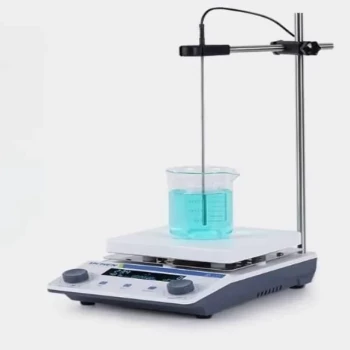
- Laboratory Small Constant Temperature Heated Magnetic Stirrer Heater and Stirrer
- Custom PTFE Teflon Parts Manufacturer for Magnetic Stirring Bar
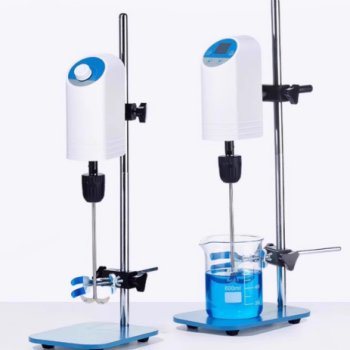
- High Performance Laboratory Stirrers for Diverse Applications
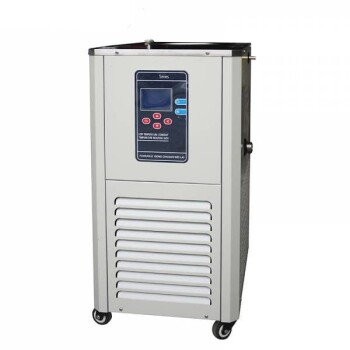
- High Temperature Constant Temperature Heating Circulator Water Bath Chiller Circulator for Reaction Bath
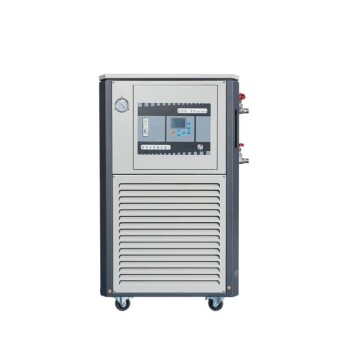
- 50L Chiller Water Bath Cooling Circulator Low Temperature Constant Temperature Reaction Bath
People Also Ask
- What role does a magnetic stirrer with heating play in ZnO nanoparticle synthesis? Precision Control for Quality Results
- What role does a constant temperature heating magnetic stirrer play in MFC-HAp synthesis? Achieve Material Homogeneity
- What is the function of a laboratory magnetic stirrer in Ni–Cr–P electrodeposition? Optimize Ion Transport & Coating
- Why is a laboratory magnetic stirrer required for benzoic acid esters? Boost Reaction Speed & Yield with High RPM
- What role does a laboratory magnetic stirrer play in TiO2 and TiO2-Ag sol preparation? Master Chemical Kinetics