The key to accuracy in high-temperature dynamic testing is thermal isolation. A specialized small electric heating furnace ensures this by heating the specimen (such as Inconel 625) independently to a set temperature, while physically separating the pressure bars from the heat source. By allowing the incident and transmitter bars to make contact with the specimen only at the specific moment of impact, the system prevents the measurement tools themselves from being compromised by thermal energy.
The core principle is the preservation of the pressure bars' material properties. If the bars are heated for extended periods, their wave velocity fluctuates, rendering the resulting dynamic yield stress measurements inaccurate.
The Critical Role of Thermal Isolation
Independent Specimen Heating
To obtain valid data, the specimen must reach a specific thermal state, such as 500 °C, without affecting the surrounding equipment.
The specialized furnace achieves this by isolating the heating process. It brings the specimen to thermal equilibrium independently, ensuring the material is uniformly heated before the test begins.
Preventing Bar Degradation
The Split Hopkinson Pressure Bar (SHPB) system relies on the incident and transmitter bars acting as neutral wave guides.
If these bars are exposed to high temperatures for extended periods, their own material properties will change. This specialized setup prevents such changes by keeping the bars cool and separate from the furnace environment until the test is triggered.
Protecting Signal Integrity
Stabilizing Wave Velocity
The mathematics behind SHPB data analysis depend heavily on a constant, known wave velocity within the pressure bars.
Heat causes density and elasticity changes in the metal bars, leading to fluctuations in wave velocity. By ensuring the bars only touch the hot specimen at the moment of impact, the furnace setup guarantees that the wave velocity remains stable and predictable.
Ensuring Data Fidelity
The ultimate goal of the test is to measure the dynamic yield stress of the specimen, not the thermal expansion of the test rig.
By preventing the bars from heating up, you ensure that any anomalies in the data are attributable to the specimen's behavior under load, rather than artifacts caused by heated instrumentation.
Understanding the Operational Constraints
The Synchronization Requirement
While this method ensures accuracy, it introduces a mechanical dependency on timing and alignment.
Because the bars must remain cold, they cannot rest against the specimen during the heating phase. The system relies on a precise configuration where contact is established strictly at the moment of impact, requiring robust mechanical control to bridge the gap instantly without pre-heating the bars.
Ensuring Validity in Your Experimental Setup
To maximize the reliability of your high-temperature SHPB tests, evaluate your setup against these priorities:
- If your primary focus is Data Accuracy: Ensure your furnace allows the specimen to reach full thermal equilibrium before the bars are introduced to the equation.
- If your primary focus is System Longevity: Verify that the contact mechanism effectively limits the bars' heat exposure to the split-second duration of the impact to prevent long-term warping or property drift.
True precision in high-temperature dynamics comes not just from heating the sample, but from aggressively protecting the baseline properties of your measurement tools.
Summary Table:
| Feature | Impact on Accuracy | Benefit to SHPB Testing |
|---|---|---|
| Thermal Isolation | Prevents heat transfer to pressure bars | Maintains constant wave velocity for precise data |
| Independent Heating | Specimen reaches equilibrium separately | Ensures uniform material behavior during impact |
| Momentary Contact | Limits bar exposure to split-seconds | Protects bar longevity and prevents material degradation |
| Signal Stability | Eliminates thermal artifacts in data | Guarantees measured stress is from specimen, not equipment |
Elevate Your Material Research with KINTEK Precision
High-temperature dynamic testing requires more than just heat; it demands the uncompromising accuracy provided by KINTEK’s specialized heating solutions. Whether you are conducting Split Hopkinson Pressure Bar (SHPB) tests or complex CVD/PECVD processes, our range of high-temperature muffle, tube, and vacuum furnaces is engineered to maintain thermal integrity without compromising your instrumentation.
From high-pressure reactors for chemical synthesis to precision crushing, milling, and hydraulic presses for specimen preparation, KINTEK provides the advanced laboratory equipment and consumables needed for consistent, repeatable results.
Ready to optimize your lab's performance? Contact our technical experts today to find the perfect thermal or mechanical solution tailored to your research goals.
References
- Kang Du, Yang Gao. High Strain Rate Yielding of Additive Manufacturing Inconel 625 by Selective Laser Melting. DOI: 10.3390/ma14185408
This article is also based on technical information from Kintek Solution Knowledge Base .
Related Products
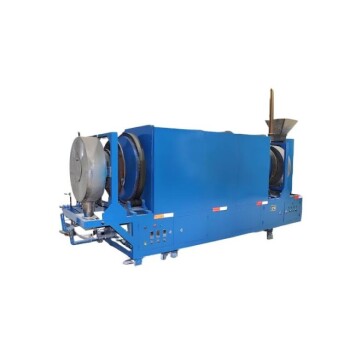
- Electric Rotary Kiln Continuous Working Small Rotary Furnace Heating Pyrolysis Plant
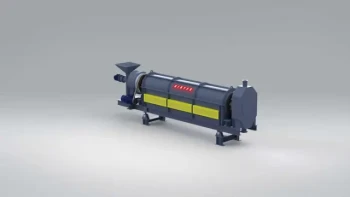
- Electric Rotary Kiln Small Rotary Furnace for Activated Carbon Regeneration
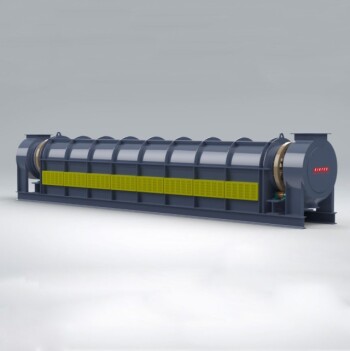
- Electric Rotary Kiln Pyrolysis Furnace Plant Machine Calciner Small Rotary Kiln Rotating Furnace
- Small Vacuum Heat Treat and Tungsten Wire Sintering Furnace
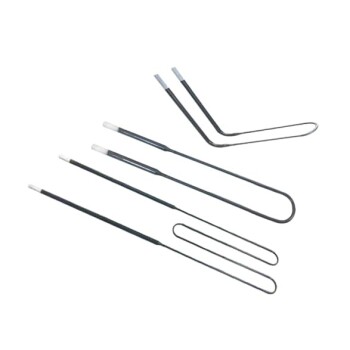
- Molybdenum Disilicide (MoSi2) Thermal Elements Electric Furnace Heating Element
People Also Ask
- What are the characteristics of the slipping, slumping, and rolling modes of bed motion? Optimize Your Rotary Process
- What are the principles of a rotary kiln? Master the Mechanics of High-Temperature Processing
- What are the different types of calciners? A Guide to Selecting the Right Thermal Processing Equipment
- What is the temperature of a rotating kiln? It Depends on Your Material and Process Goal
- How are rotary kilns heated? Direct vs. Indirect Heating Methods Explained