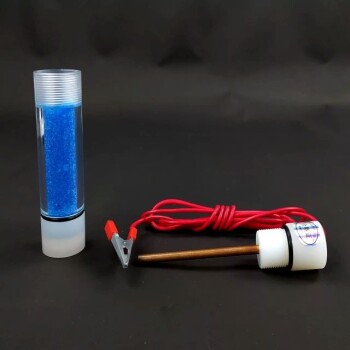
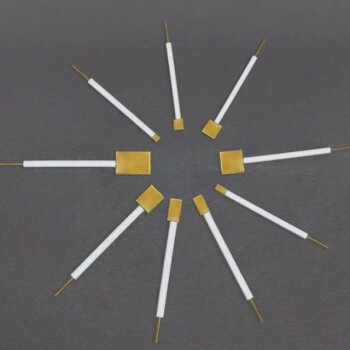
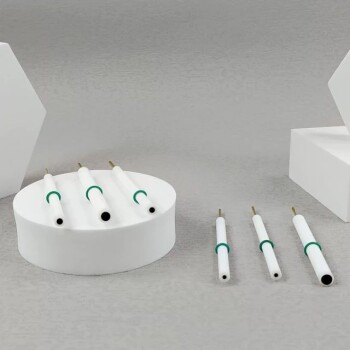
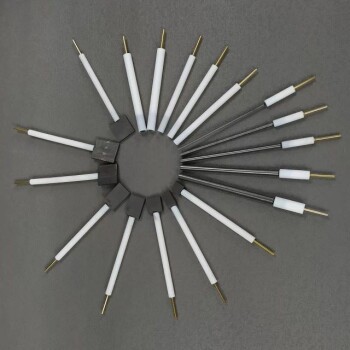
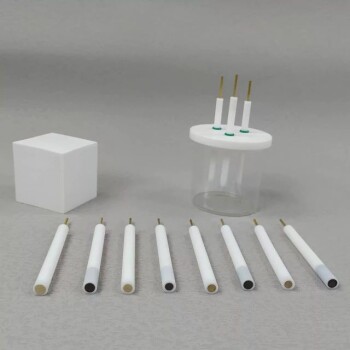
The combination of a platinum electrode and a silver/silver chloride (Ag/AgCl) reference electrode functions as a precise monitoring system for the oxidation-reduction potential (ORP) of your leaching solution. By connecting these electrodes to an ORP meter, the system measures the solution's oxidative activity in real-time. This setup provides critical feedback on whether the aluminum is actively dissolving and signals exactly when the oxidizing agent (such as H2O2) has been depleted.
Core Takeaway This electrode system translates chemical activity into a measurable electrical signal. By establishing a stable baseline with the Ag/AgCl electrode and detecting potential changes with the platinum electrode, you can optimize oxidant addition strategies to prevent process stalling and minimize chemical waste.
The Roles of the Components
The Platinum Electrode: The Inert Conductor
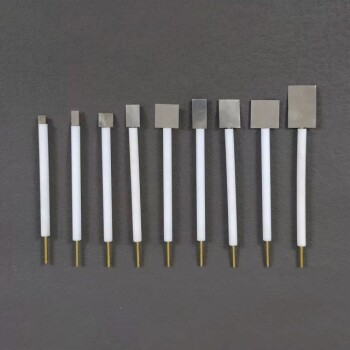
The platinum electrode acts as the auxiliary or sensing element in this circuit. Because platinum is chemically inert and highly conductive, it does not react with the harsh leaching solution itself.
Instead, it serves as a stable interface that allows the system to measure the electron transfer activity (redox potential) occurring in the bath. It completes the current circuit effectively without introducing interference from its own chemical breakdown.
The Ag/AgCl Electrode: The Stable Reference
The Silver/Silver Chloride electrode provides the fixed point of comparison necessary for accurate measurement. It consists of a silver wire coated in silver chloride, immersed in a specific electrolyte (typically potassium chloride saturated with AgCl).
To function, a small amount of this internal fill solution leaks through a porous junction (ceramic, cotton, or Teflon) into the sample. This leakage creates the necessary electrical contact while maintaining a potential that remains constant regardless of the changes occurring in the aluminum leaching solution.
Monitoring the Leaching Process
Tracking Oxidative Activity
The primary function of this system is to evaluate the oxidative strength of the leaching environment. When the solution is rich in oxidants and aluminum ions are actively dissolving, the redox potential remains at a specific active level.
The platinum electrode detects the ratio of oxidized to reduced species in the bath. This allows operators to confirm that the chemical conditions are aggressive enough to sustain the leaching process.
Detecting Oxidant Depletion
The most critical application of this setup is identifying when the oxidizing agent (e.g., Hydrogen Peroxide/H2O2) is exhausted. As the oxidant is consumed by the reaction, the redox potential of the solution will fluctuate or drop.
By monitoring these fluctuations, you can identify the exact moment the reaction slows down. This data serves as the core method for optimizing oxidant addition, ensuring you add more H2O2 only when necessary, rather than guessing or adhering to a rigid, inefficient schedule.
Understanding the Trade-offs
Junction Clogging and Contamination
The Ag/AgCl electrode relies on the slow leakage of its internal electrolyte through a junction to maintain contact. In a leaching process involving dissolved aluminum and particulate matter, this junction can become clogged, leading to drifting or erratic readings.
Electrolyte Interference
The internal fill solution of the reference electrode (usually KCl) enters the leaching sample in trace amounts. While generally minimal, you must ensure that the potassium or chloride ions do not act as interfering agents that could contaminate the specific purity requirements of your final aluminum product.
Making the Right Choice for Your Goal
To maximize the effectiveness of this monitoring system, align your usage with your specific process objectives:
- If your primary focus is Process Efficiency: Automate the addition of H2O2 based on specific redox potential set-points to prevent reaction stalling.
- If your primary focus is Cost Reduction: Use the potential data to identify the minimum viable amount of oxidant required, reducing chemical waste.
- If your primary focus is Data Accuracy: Regularly inspect and clean the Ag/AgCl junction to prevent drift caused by salt crystallization or particulate clogging.
Reliable monitoring relies not just on the sensor, but on interpreting the voltage drop as a clear signal to replenish your chemical drivers.
Summary Table:
| Component | Role | Function in Leaching |
|---|---|---|
| Platinum Electrode | Sensing Electrode | Measures electron transfer and oxidative activity without reacting with the solution. |
| Ag/AgCl Electrode | Reference Electrode | Provides a stable baseline potential for accurate comparison and measurement. |
| ORP Meter | Signal Processor | Translates the potential difference into real-time data on oxidant concentration. |
| Oxidant (e.g., H2O2) | Chemical Driver | Consumed during leaching; depletion is signaled by a drop in measured redox potential. |
Optimize Your Electrochemical Research with KINTEK
Ensure precision in your aluminum leaching and redox monitoring with high-quality electrochemical tools from KINTEK. As specialists in laboratory equipment, we provide the reliable electrolytic cells, electrodes (Platinum, Ag/AgCl), and high-performance autoclaves needed to maintain stable process environments and accurate data.
Our value to you:
- Comprehensive Range: From professional-grade electrodes to advanced battery research tools.
- Precision Engineering: Durable materials like PTFE and ceramics for harsh chemical environments.
- Expert Support: Specialized solutions for high-temperature and high-pressure applications.
Don't let junction clogging or oxidant waste stall your process. Contact our experts today to find the perfect electrochemical configuration for your laboratory needs!
References
- Sugam Shukla, Mari Lundström. Leaching of Waste Pharmaceutical Blister Package Aluminium in Sulphuric Acid Media. DOI: 10.3390/met13061118
This article is also based on technical information from Kintek Solution Knowledge Base .
Related Products
- Platinum Sheet Electrode for Laboratory and Industrial Applications
- Platinum Auxiliary Electrode for Laboratory Use
- Rotating Platinum Disk Electrode for Electrochemical Applications
- Platinum Sheet Electrode for Battery Lab Applications
- Reference Electrode Calomel Silver Chloride Mercury Sulfate for Laboratory Use
People Also Ask
- What is a common use for a platinum sheet electrode? As a Reliable Counter Electrode in Electrochemical Cells
- What is the most critical guideline for immersing a platinum sheet electrode in an electrolyte? Ensure Accurate Electrochemical Measurements
- What is the purity of the platinum sheet in a platinum sheet electrode? The Key to Reliable Electrochemical Data
- What is the expected lifespan of a platinum sheet electrode? Maximize Your Electrode's Service Life
- What are the available specifications for platinum sheet electrodes? Find the Perfect Fit for Your Electrochemical Needs