The primary function of an industrial-grade electrochemical workstation is to act as a high-precision control unit for evaluating the catalytic performance of Platinum-Ruthenium (PtRu) alloy thin films. By integrating with a standard electrolytic cell, the workstation manipulates voltage parameters to record the material's specific current response. This process generates the raw data necessary to scientifically determine the alloy's efficiency in catalyzing chemical reactions.
By rigorously recording Linear Sweep Voltammetry (LSV) and Cyclic Voltammetry (CV) curves, the workstation provides the quantitative evidence needed to optimize PtRu alloy ratios for maximum stability and efficiency in hydrogen and oxygen evolution reactions.
Precision Control and Measurement
Regulating Voltage and Current
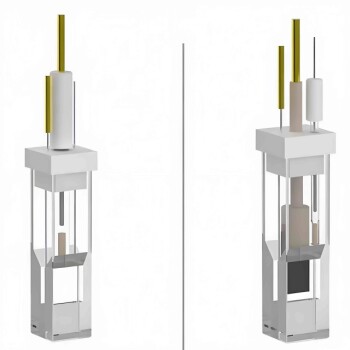
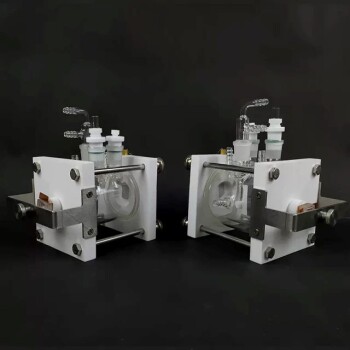
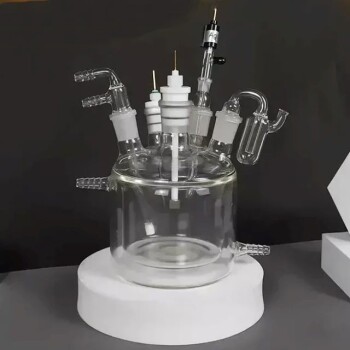
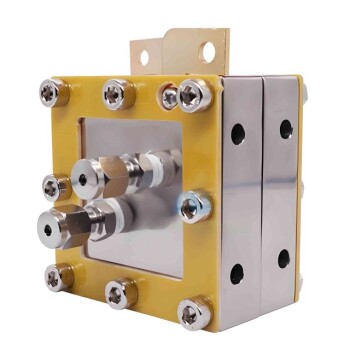
The workstation connects directly to the PtRu thin films within a standard electrolytic cell. It applies specific, controlled voltages to the material while simultaneously measuring the resulting current response with high accuracy.
Establishing the Baseline
This precise control eliminates variables often found in less robust testing setups. It ensures that the data reflects the true properties of the alloy, rather than artifacts of the testing environment.
Critical Testing Methodologies
Linear Sweep Voltammetry (LSV)
The workstation executes LSV to assess reaction kinetics. This technique ramps the voltage linearly to identify exactly how the current changes in response to increasing electrical potential.
Cyclic Voltammetry (CV)
CV curves are recorded to understand the electrochemical properties over repeated cycles. This helps map the redox behavior of the specific PtRu alloy composition under dynamic conditions.
Evaluating Catalytic Indicators
Determining Onset Potential
The data collected pinpoints the onset potential, marking the exact voltage where the catalytic reaction begins. Identifying a lower onset potential is critical, as it indicates a more responsive and efficient catalyst.
Measuring Overpotential
The workstation calculates overpotential, which represents the extra energy required to drive the reaction beyond the theoretical thermodynamic limit. Minimizing this metric is essential for creating energy-efficient systems.
Assessing Stability
Long-term testing evaluates the durability of the material. This ensures the PtRu alloy maintains its structural integrity and performance during sustained Hydrogen Evolution Reactions (HER) and Oxygen Evolution Reactions (OER).
Understanding the Trade-offs
The Complexity of Alloy Ratios
While the workstation provides precise data, interpreting it requires an understanding of material composition. The system allows for the scientific determination of how different Platinum-to-Ruthenium ratios impact performance, but finding the "perfect" ratio often involves trading off between maximum activity and long-term stability.
Data Sensitivity
The precision of an industrial-grade workstation means it will detect even minor inconsistencies. Improper cell setup or impurities in the electrolyte can skew LSV and CV curves, potentially leading to false conclusions about the alloy's inherent catalytic activity.
Making the Right Choice for Your Research
To get the most out of your electrochemical analysis, focus on the specific metric that aligns with your end goal.
- If your primary focus is energy efficiency: Prioritize analyzing the overpotential data to minimize the energy lost during the reaction.
- If your primary focus is commercial viability: Emphasize the stability data derived from repeated Cyclic Voltammetry cycles to ensure the alloy withstands degradation over time.
By leveraging these precise measurements, you move from theoretical material synthesis to verified, high-performance catalytic application.
Summary Table:
| Metric | Methodology | Significance in PtRu Testing |
|---|---|---|
| Onset Potential | Linear Sweep Voltammetry (LSV) | Identifies the voltage where the catalytic reaction begins. |
| Overpotential | LSV / Cyclic Voltammetry (CV) | Measures energy efficiency; lower values indicate better performance. |
| Reaction Kinetics | Linear Sweep Voltammetry (LSV) | Analyzes how current changes with increasing electrical potential. |
| Durability/Stability | Repeated CV Cycles | Evaluates long-term material integrity for HER and OER applications. |
| Redox Behavior | Cyclic Voltammetry (CV) | Maps electrochemical properties under dynamic conditions. |
Accelerate your material science breakthroughs with KINTEK’s precision engineering. Whether you are optimizing PtRu alloy ratios or developing next-generation energy systems, KINTEK specializes in high-performance laboratory equipment tailored for your research. From industrial-grade electrochemical workstations, electrolytic cells, and high-purity electrodes to high-temperature furnaces, autoclaves, and battery research tools, we provide the rigorous testing environment your data demands. Enhance your lab's efficiency and ensure the commercial viability of your catalysts today—Contact KINTEK for a customized solution!
References
- Yeseul Son, Soo‐Hyun Kim. Advanced Atomic Layer Modulation Based Highly Homogeneous PtRu Precious Metals Alloy Thin Films. DOI: 10.1002/advs.202503561
This article is also based on technical information from Kintek Solution Knowledge Base .
Related Products
- Lab Electrochemical Workstation Potentiostat for Laboratory Use
- Electrode Fixture for Electrochemical Experiments
- Glassy Carbon Electrochemical Electrode
- Electrolytic Electrochemical Cell with Five-Port
- Sample Support Body for Electrochemical Tests
People Also Ask
- How does an electrochemical workstation assist in assessing corrosion resistance? Quantify Laser-Remelted Steel Performance
- How does an electrochemical testing system evaluate mesoporous oxide electrodes? Precision Analysis for Battery Research
- What are the primary functions of an electrochemical workstation (Potentiostat)? Expert Titanium Alloy Corrosion Analysis
- What is the primary function of a high-precision electrochemical workstation? Optimize Your Reactor Performance
- What role do electrochemical workstations play in researching the corrosion resistance of carbon coatings? Expert Guide