Proper post-experimental handling begins with ensuring electrical safety before addressing chemical disposal. You must immediately separate valuable reaction products from waste liquids, then aggressively rinse the cell to prevent chemical attack on the PTFE body and electrodes.
The longevity of an all-PTFE cell relies on the immediate removal of electrolytes and thorough rinsing to prevent corrosion. Success depends equally on strict adherence to environmental regulations for waste disposal and the delicate handling of optical components to maintain precision.
Immediate Shutdown and Separation
Power Disconnection
Safety is the first priority. Turn off the power supply before disconnecting the electrolytic cell. Failing to do so can result in electric arcs or other safety incidents that endanger both the operator and the equipment.
Product Recovery
Once disconnected, remove the reaction products and the waste liquid from the cell. Identify products intended for further processing or analysis and store them immediately in appropriate containers.
Waste Management
Waste liquid must never be discarded casually. Treat the waste according to environmental regulations to prevent pollution. Depending on the chemical properties, this may require neutralization, specific recycling protocols, or specialized hazardous disposal methods.
Cleaning and Preservation Protocols
The Rinsing Sequence
Rinsing is not a single step; it is a process. First, rinse all parts with tap water to flush out surface dust and bulk impurities. Follow this by rinsing repeatedly with distilled or deionized water to ensure absolutely no chemical residues remain.
Preventing Corrosion
Thorough rinsing is critical for equipment survival. Removing residual electrolytes and reaction products prevents the corrosion of the cell body and electrodes. Even distinctively chemical-resistant materials like PTFE can suffer from cross-contamination or electrode degradation if residues linger.
Drying Techniques
If your experiment involved aqueous solutions, perform the rinsing steps immediately after pouring out the electrolyte. Once rinsed, dry the interior with nitrogen gas. This prevents water stains that can occur if the cell is left to air dry.
Handling Sensitive Components
Optical Window Care
If your PTFE cell includes a quartz optical window, treat it with extreme caution. Clean these windows specifically with optical lens cleaning solution and a soft cloth. Never use abrasive materials, as scratching the surface will permanently degrade optical performance.
Common Pitfalls to Avoid
The Danger of Delay
Do not allow the cell to sit containing electrolyte after the experiment finishes. Immediate rinsing is mandatory to prevent residues from drying and solidifying, which makes them significantly harder to remove later.
Incomplete Drying
Avoid leaving water droplets inside the cell. Residual water can introduce impurities into future experiments or lead to mineral deposits that interfere with sensitive measurements.
Making the Right Choice for Your Goal
To ensure your equipment remains reliable for the next experiment, follow these targeted recommendations:
- If your primary focus is Equipment Longevity: Prioritize the "repeated rinsing" step with distilled water to prevent electrode corrosion and PTFE contamination.
- If your primary focus is Data Accuracy: Ensure quartz windows are cleaned with optical solution and the cell is nitrogen-dried to prevent water stains or optical interference.
- If your primary focus is Environmental Compliance: Neutralize or recycle the waste electrolyte immediately according to local chemical disposal regulations.
Treat your post-experiment cleanup with the same precision as the experiment itself to ensure consistent, high-quality results.
Summary Table:
| Post-Experiment Phase | Key Action Required | Importance/Goal |
|---|---|---|
| Safety Shutdown | Disconnect power supply | Prevents electrical arcs and operator injury |
| Waste Management | Neutralize & dispose per regulations | Ensures environmental compliance and safety |
| Rinsing Protocol | Tap water followed by deionized water | Removes bulk impurities and chemical residues |
| Drying | Nitrogen gas flush | Prevents water stains and mineral deposits |
| Optical Care | Lens solution on quartz windows | Maintains clarity and prevents surface scratches |
Maximize Your Lab’s Precision with KINTEK
Proper maintenance is only half the battle; starting with premium equipment is the other. KINTEK specializes in high-performance laboratory solutions, offering a robust selection of electrolytic cells, electrodes, and PTFE consumables designed to withstand the most demanding chemical environments.
Whether you are conducting advanced battery research or complex chemical synthesis, our portfolio includes everything from high-temperature furnaces and reactors to cooling solutions and hydraulic presses. Our team of experts is dedicated to providing the high-quality tools you need for repeatable, accurate results.
Ready to upgrade your laboratory setup? Contact KINTEK today to explore our comprehensive range of equipment and consumables tailored for your specific research needs!
Related Products
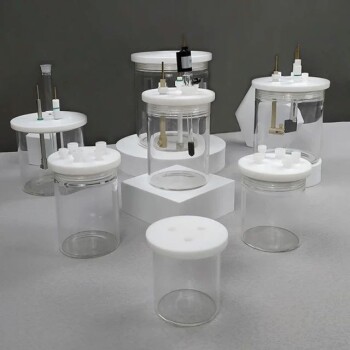
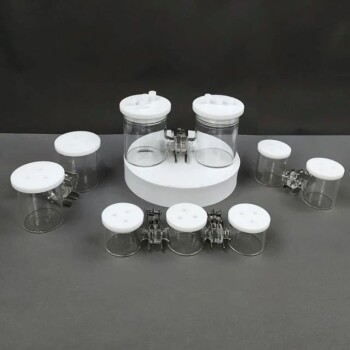
- PTFE Electrolytic Cell Electrochemical Cell Corrosion-Resistant Sealed and Non-Sealed
- Electrolytic Electrochemical Cell with Five-Port
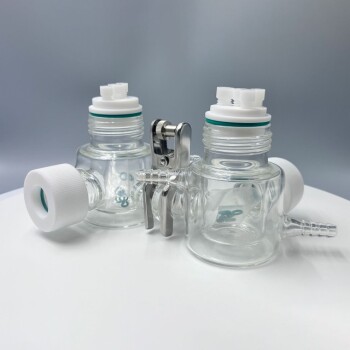
- Double Layer Five-Port Water Bath Electrolytic Electrochemical Cell
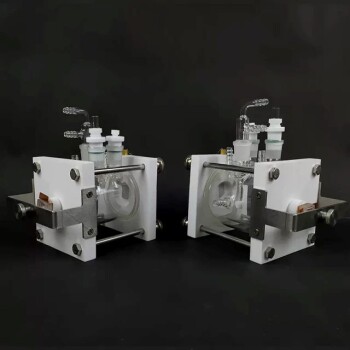
- Thin-Layer Spectral Electrolysis Electrochemical Cell
- Optical Water Bath Electrolytic Electrochemical Cell
People Also Ask
- What is the necessity of selecting a PTFE electrolytic cell? Ensure Precise Graphene Corrosion Testing Accuracy
- What is the proper method for cleaning the surface of an all-PTFE electrolytic cell? Ensure Accurate Results with a Pristine Surface
- How should an all-PTFE electrolytic cell be stored after use? Expert Maintenance Tips for Long-Lasting Performance
- What is the proper cleaning method for an all-PTFE electrolytic cell? Essential Tips for Surface Integrity
- What are the standard opening specifications for all-PTFE electrolytic cells? A Guide to Sealed vs. Non-Sealed Ports