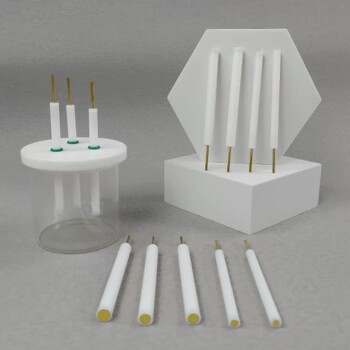
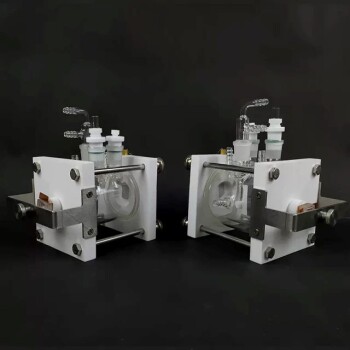
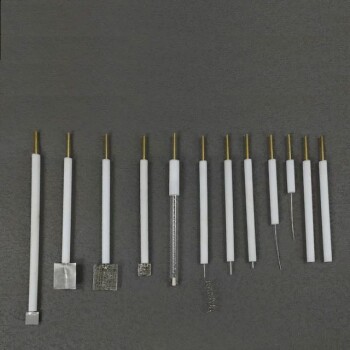
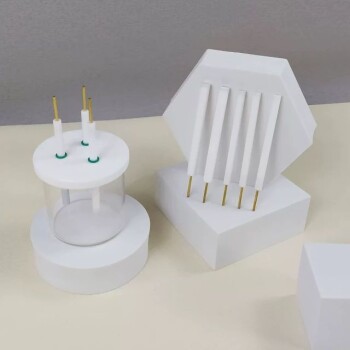
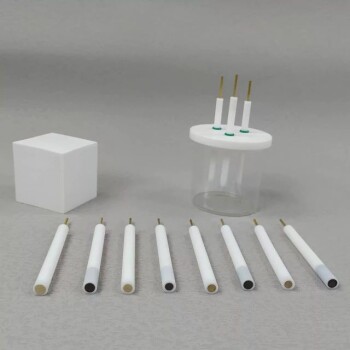
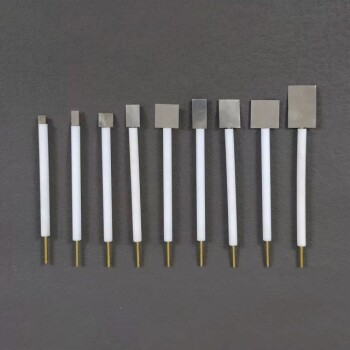
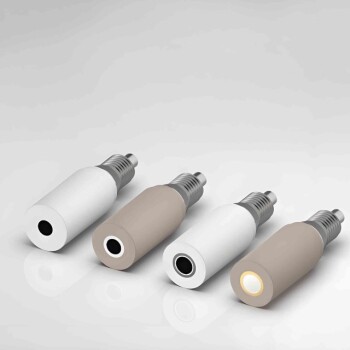
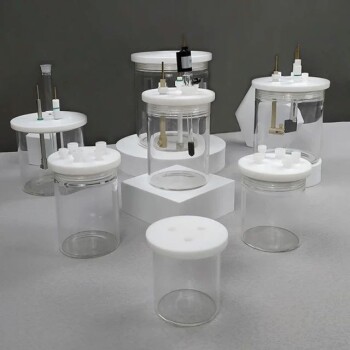
In a three-electrode system for potentiodynamic polarization, the platinum electrode functions as the counter electrode (CE) to complete the electrical circuit, while the silver/silver chloride (Ag/AgCl) electrode acts as the reference electrode (RE) to provide a stable potential baseline.
By separating the current-carrying role (Platinum) from the potential-measuring role (Ag/AgCl), this setup isolates the test sample (Working Electrode), ensuring that measurements of corrosion current and potential are accurate and free from interference.
The Role of the Platinum Electrode
The platinum electrode is critical for facilitating the flow of electricity through the solution without altering the chemical composition of the test environment.
Completing the Current Loop
The primary function of the platinum electrode is to serve as the auxiliary or counter electrode.
It creates a path for the current to flow from the electrochemical workstation, through the Ringer's solution electrolyte, and to the working electrode (the sample).
Ensuring Chemical Inertness
Platinum is selected specifically for its superior chemical inertness and high conductivity.
Because platinum is stable, it does not dissolve or react during the polarization process.
This ensures that no foreign impurities or reaction byproducts are introduced into the electrolyte, which could otherwise contaminate the Ringer's solution and skew corrosion data.
The Role of the Ag/AgCl Electrode
The silver/silver chloride electrode is the standard for maintaining measurement accuracy in chloride-rich environments like Ringer's solution.
Establishing a Stable Baseline
The Ag/AgCl electrode serves as the reference electrode, providing a fixed and known potential.
It does not participate in the current flow; instead, it acts as a constant "anchor" point against which the voltage of the working electrode is measured.
Enabling Accurate Comparison
By maintaining this stable potential, the Ag/AgCl electrode ensures that the potential fluctuations observed on the stainless steel sample are objectively accurate.
This allows for the precise quantification of corrosion potential and current density, making the data comparable across different tests and samples.
Understanding the Trade-offs
While this specific three-electrode configuration is the gold standard for this application, understanding its operational limits is vital for data integrity.
Reference Electrode Drift
The accuracy of the Ag/AgCl electrode relies on the stability of its internal solution (typically saturated KCl).
If the internal solution becomes contaminated or depleted, the reference potential will drift, leading to erroneous potential readings that misrepresent the sample's corrosion resistance.
Counter Electrode Surface Area
While platinum is highly conductive, the surface area of the counter electrode must be sufficient relative to the working electrode.
If the platinum electrode is too small, it can become the limiting factor in the circuit, potentially restricting the current flow required for high-rate polarization tests.
Making the Right Choice for Your Goal
To maximize the reliability of your potentiodynamic polarization tests in Ringer's solution, consider these specific priorities:
- If your primary focus is data purity: Ensure the platinum counter electrode is perfectly clean before every test to prevent cross-contamination between different biological simulation fluids.
- If your primary focus is potential accuracy: Regularly verify the potential of your Ag/AgCl electrode against a master reference to detect and correct any drift before it affects your corrosion data.
By strictly assigning the current load to the platinum and the voltage baseline to the Ag/AgCl, you transform a complex chemical environment into a controllable, measurable system.
Summary Table:
| Electrode Type | Material | Key Role in System | Core Benefit |
|---|---|---|---|
| Counter Electrode (CE) | Platinum | Completes the electrical circuit | High conductivity and chemical inertness |
| Reference Electrode (RE) | Ag/AgCl | Provides a stable potential baseline | Ensures accurate, drift-free voltage measurements |
| Working Electrode (WE) | Test Sample | Primary subject of the analysis | Isolated for precise corrosion data collection |
Elevate your electrochemical research with precision-engineered tools from KINTEK. Whether you are conducting potentiodynamic polarization in Ringer's solution or developing next-generation energy storage, our comprehensive range of electrolytic cells, electrodes, and battery research consumables ensures unmatched data integrity. From high-purity platinum counter electrodes to stable Ag/AgCl reference systems, KINTEK provides the reliability your laboratory demands. Contact our specialists today to find the perfect equipment for your high-temperature, high-pressure, or specialized electrochemical applications.
References
- F.M. El-Hossary, M. Abo El-Kassem. Effect of rf Plasma Carbonitriding on the Biocompatibility and Mechanical Properties of AISI 321 Austenitic Stainless Steel. DOI: 10.4236/ampc.2014.42006
This article is also based on technical information from Kintek Solution Knowledge Base .
Related Products
- Electrolytic Electrochemical Cell Gas Diffusion Liquid Flow Reaction Cell
- Reference Electrode Calomel Silver Chloride Mercury Sulfate for Laboratory Use
- Glassy Carbon Electrochemical Electrode
- Graphite Disc Rod and Sheet Electrode Electrochemical Graphite Electrode
- Gold Electrochemical Sheet Electrode Gold Electrode
People Also Ask
- How does the design of an electrochemical electrolytic cell influence the coating uniformity? Optimize Your Catalysts
- What is the correct shutdown and disassembly procedure after an experiment? Ensure Safety and Protect Your Equipment
- Why are electrolytic cells essential in titanium production? Powering Circular Efficiency and Cost Savings
- What is galvanic cell or electrolytic cell? Unlock the Secrets of Electrochemical Power
- What are the three essential components that comprise an electrolytic cell? Key Elements of Chemical Synthesis