Torrefaction fundamentally shifts the objective from disposal to value creation. While traditional incineration is designed primarily to reduce the physical volume of digestate through combustion, torrefaction equipment upgrades low-quality biomass into a high-value, coal-like solid fuel. This process significantly enhances the Higher Heating Value (HHV) and energy density of the material, effectively turning a waste stream into a viable renewable energy asset.
The core distinction lies in the end product: incineration destroys material to minimize space, while torrefaction refines material to maximize energy potential. By lowering oxygen content and boosting energy density, torrefaction allows digestate to serve as a direct substitute for fossil fuels in heavy industrial applications.
Transforming Waste into High-Grade Fuel
Increasing Energy Density
The primary advantage of torrefaction is the dramatic improvement in the fuel characteristics of the digestate. The process converts low-energy density biomass into a product with a much higher energy density ratio.
Elevating Heating Value
Torrefaction specifically increases the Higher Heating Value (HHV) of the digestate. This means that for every unit of weight, the treated material releases significantly more energy upon combustion than untreated digestate.
Modifying Chemical Composition
The equipment alters the chemical structure of the biomass by significantly reducing its oxygen content. This reduction is critical because high oxygen levels in biomass can lead to instability and lower combustion efficiency.
Commercial Viability and Application
Creating a Coal-Like Substitute
The output of the torrefaction process is a solid fuel that physically and chemically resembles coal. This "coal-like" nature allows for easier handling and storage compared to raw, fibrous digestate.
Enabling Industrial Co-Firing
Because the treated digestate mimics the properties of coal, it becomes a suitable candidate for co-firing. It can be integrated into existing infrastructures, such as cement plants and coal-fired power stations, without requiring the extensive retrofits often needed for raw biomass.
Diverging Objectives: Disposal vs. Upgrading
The Incineration Approach
Traditional incineration focuses on volume reduction. It is a disposal method where the primary goal is to burn the waste down to ash to minimize the physical space it occupies in landfills.
The Torrefaction Approach
Torrefaction functions as an upgrading process. It views the digestate not as trash to be eliminated, but as a resource to be refined, retaining the energy content in a solid form that can be sold or utilized later.
Understanding the Trade-offs
Process Complexity vs. Immediate Disposal
While torrefaction creates value, it is a manufacturing process that produces a commodity requiring a market. Incineration is often a simpler "end-of-pipe" solution for immediate disposal, whereas torrefaction requires a strategy for utilizing or selling the resulting fuel.
Specificity of Output
Torrefaction equipment is specialized to produce a specific fuel profile (coal-like solid). If the end-goal is simply to eliminate a hazardous biological vector without regard for energy recovery, the precision of torrefaction may exceed the operational requirements.
Making the Right Choice for Your Goal
To determine if torrefaction is the superior choice for your facility, evaluate your primary strategic drivers:
- If your primary focus is Renewable Energy Generation: Torrefaction is the superior choice as it upgrades digestate into a high-energy, coal-like fuel suitable for co-firing in power stations.
- If your primary focus is Waste Volume Minimization: Incineration remains the standard method, as its primary mechanism is combustion for the sake of physical reduction rather than value retention.
- If your primary focus is Revenue Stream Diversification: Torrefaction offers a distinct advantage by creating a sellable solid fuel product that can be marketed to heavy industry (e.g., cement plants).
By selecting torrefaction, you are choosing to treat digestate as a valuable energy reservoir rather than a disposal burden.
Summary Table:
| Feature | Torrefaction Equipment | Traditional Incineration |
|---|---|---|
| Primary Goal | Value Creation & Upgrading | Volume Reduction & Disposal |
| End Product | High-energy, coal-like solid fuel | Ash and waste heat |
| Energy Density | Significantly increased | Not applicable (material destroyed) |
| Oxygen Content | Reduced for stable combustion | Not applicable |
| Market Value | High (Sellable fuel commodity) | Low (Waste management cost) |
| Application | Industrial co-firing (Cement, Power) | Waste-to-energy or landfilling |
Transform Your Waste into a Revenue-Generating Asset
Don't let valuable energy go up in smoke. KINTEK specializes in advanced thermal processing solutions that turn low-quality digestate into premium, coal-like renewable fuel. Whether you are looking to enhance energy density or diversify your revenue streams, our expert team provides the high-temperature rotary furnaces and thermal systems needed to optimize your biomass upgrading process.
Our comprehensive laboratory and industrial portfolio includes:
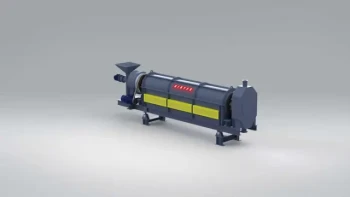
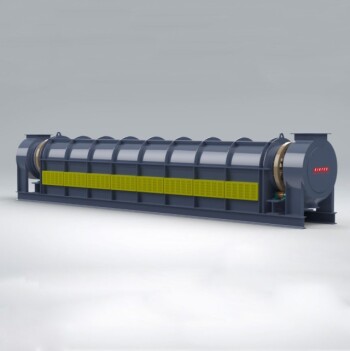
- High-Temperature Rotary & Tube Furnaces for precise torrefaction control.
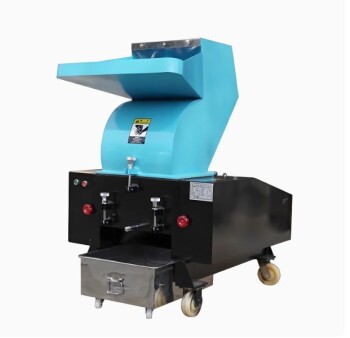
- Crushing and Milling Systems for pre- and post-processing.
- Specialized Reactors & Consumables tailored for biomass research.
Ready to elevate your facility's efficiency? Contact KINTEK today to discover how our equipment can turn your disposal burdens into high-grade energy resources.
References
- Kacper Świechowski, Andrzej Białowiec. Waste to Energy: Solid Fuel Production from Biogas Plant Digestate and Sewage Sludge by Torrefaction-Process Kinetics, Fuel Properties, and Energy Balance. DOI: 10.3390/en13123161
This article is also based on technical information from Kintek Solution Knowledge Base .
Related Products
- Electric Rotary Kiln Small Rotary Furnace for Activated Carbon Regeneration
- Electric Rotary Kiln Small Rotary Furnace Biomass Pyrolysis Plant
- Electric Rotary Kiln Pyrolysis Furnace Plant Machine Calciner Small Rotary Kiln Rotating Furnace
- Powerful Plastic Crusher Machine
- Electric Rotary Kiln Continuous Working Small Rotary Furnace Heating Pyrolysis Plant
People Also Ask
- What is a rotary kiln electric furnace? Achieve Superior Uniform Heating for Your Materials
- What is the temperature of activated carbon regeneration? Unlock the 1000°F Process for Reuse
- What is the regeneration temperature of activated carbon? Optimize Your Process with the Right Method
- What are the characteristics of the slipping, slumping, and rolling modes of bed motion? Optimize Your Rotary Process
- What are the parts of a carbon regeneration kiln? A Guide to Its Core Components and Function