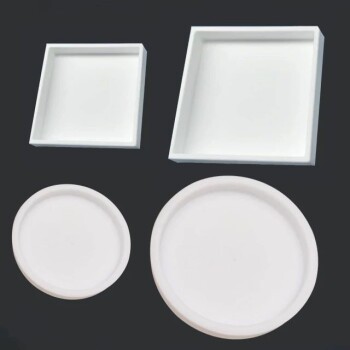
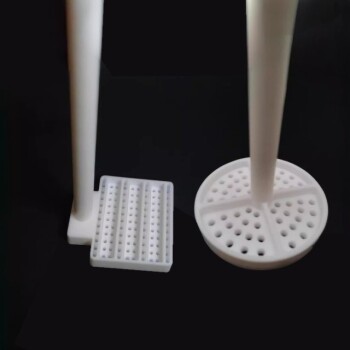
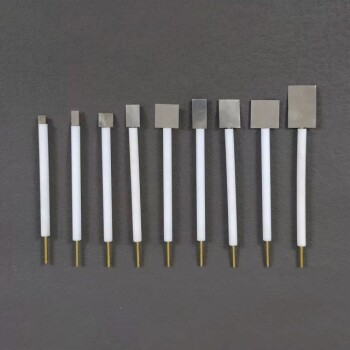
The primary advantage of utilizing Polytetrafluoroethylene (PTFE) substrates for non-isocyanate polyurethane (NIPU) films lies in their exceptional release properties derived from low surface energy. Because NIPU films exhibit naturally high adhesion during curing, PTFE plates or coatings are essential to prevent the material from bonding to the mold. This ensures the film can be peeled away cleanly without sustaining structural damage or picking up surface contaminants.
Core Takeaway PTFE acts as a critical barrier between the mold and the high-adhesion NIPU polymer. Its chemical inertness and low surface energy facilitate a clean separation, ensuring the final film is free of defects and impurities.
The Mechanics of Effective Release
Overcoming High Adhesion
Non-isocyanate polyurethane (NIPU) films are characterized by high adhesion properties. This makes standard molding substrates ineffective, as the film tends to bond to the surface during the curing process.
The Role of Low Surface Energy
PTFE is distinct because of its extremely low surface energy. This physical property prevents the NIPU material from "wetting" or bonding to the substrate.
By using PTFE, you create a surface that resists the natural stickiness of the polyurethane. This allows for effortless separation once the curing phase is complete.
Ensuring Film Purity and Integrity
Chemical Inertness
Beyond surface energy, PTFE is highly chemically inert. It does not react with the chemical components of the NIPU during the curing process.
This prevents any chemical bonding or cross-linking between the mold and the film. The result is a pure separation where the chemical composition of the film remains unaltered.
Eliminating Surface Defects
Attempting to peel high-adhesion films off standard substrates often results in tearing, stretching, or surface marring. PTFE ensures that the film can be removed completely intact.
Preventing Contamination
The reference material highlights that PTFE prevents "impurities" from being left behind. Because the release is clean, no residue from the substrate transfers to the film, and no film residue is left on the mold.
Common Pitfalls to Avoid
The Risk of Alternative Substrates
It is critical to understand that substrates lacking the specific properties of PTFE often lead to process failure with NIPU.
Impact on Curing
If a substrate with higher surface energy is used, the NIPU may bond permanently to the mold. This can result in the destruction of the film during removal or the need to aggressively clean the mold, reducing manufacturing efficiency.
Making the Right Choice for Your Goal
To ensure high-quality production of NIPU films, consider the following regarding your substrate selection:
- If your primary focus is Surface Quality: Utilize PTFE to prevent micro-tears and surface roughness caused by difficult peeling processes.
- If your primary focus is Chemical Purity: Rely on PTFE’s inertness to ensure no foreign impurities or mold release agents contaminate the final film.
By leveraging the unique low surface energy of PTFE, you convert a difficult high-adhesion molding challenge into a reliable, repeatable manufacturing process.
Summary Table:
| Feature | Benefit for NIPU Film Production |
|---|---|
| Low Surface Energy | Enables effortless peeling of high-adhesion NIPU films without tearing. |
| Chemical Inertness | Prevents chemical cross-linking and ensures zero material contamination. |
| Thermal Stability | Maintains substrate integrity during the polyurethane curing process. |
| Surface Quality | Eliminates micro-tears and marring for a smooth, defect-free finish. |
Elevate Your Material Research with KINTEK Precision Solutions
Are you facing challenges with high-adhesion polymers or sensitive molding processes? KINTEK specializes in high-performance laboratory equipment and consumables designed for the most demanding research environments. From our premium PTFE products and ceramics that ensure perfect mold release to our advanced high-temperature reactors and battery research tools, we provide the reliability your lab deserves.
Our value to you:
- Comprehensive Range: Access everything from crushing systems to hydraulic presses and cooling solutions.
- Precision Engineering: Ensure the chemical purity and structural integrity of your samples.
- Expert Support: Benefit from our deep industry knowledge in materials science and laboratory efficiency.
Ready to optimize your production workflow? Contact KINTEK today to discover how our specialized consumables and equipment can enhance your results!
References
- Mhd. Abd. Cader Mhd. Haniffa, Nai-Shang Liou. Synthesis, Characterization and the Solvent Effects on Interfacial Phenomena of Jatropha Curcas Oil Based Non-Isocyanate Polyurethane. DOI: 10.3390/polym9050162
This article is also based on technical information from Kintek Solution Knowledge Base .
Related Products
- Custom PTFE Teflon Parts Manufacturer for Hydrothermal Synthesis Reactor Polytetrafluoroethylene Carbon Paper and Carbon Cloth Nano-growth
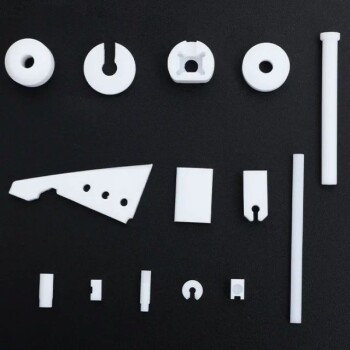
- Custom PTFE Teflon Parts Manufacturer for Gaskets and More
- Custom PTFE Wafer Holders for Lab and Semiconductor Processing
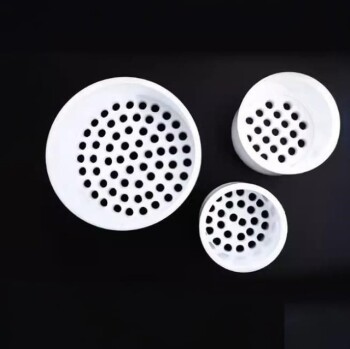
- Custom PTFE Teflon Parts Manufacturer for Sampling Filters
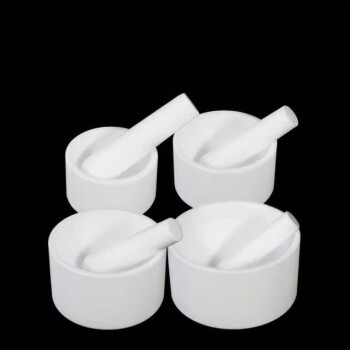
- Custom PTFE Teflon Parts Manufacturer Grinding Bowl
People Also Ask
- What is the function of a PTFE reactor in MXene etching? Ensure Safe, High-Purity MAX Phase Conversion
- Why is a PTFE reactor required for titanium-based nano-ceramic coating solutions? Ensure Chemical Inertness & Purity
- Why must a Polytetrafluoroethylene (PTFE) reactor be used for Ti3C2TX MXene etching? Ensure Safety and Purity
- Why are PTFE reactors preferred for silver phosphate glass testing? Ensure Purity and Kinetic Accuracy
- What are the advantages of using polytetrafluoroethylene (PTFE) liners in hydrothermal synthesis reactors? High Purity