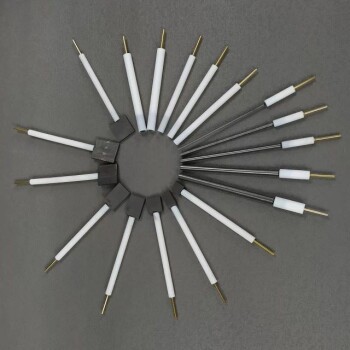
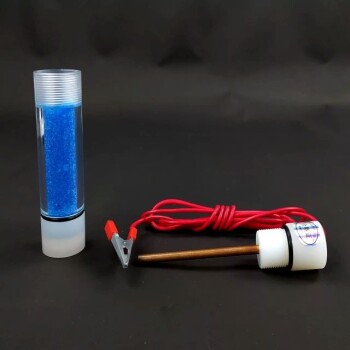
Titanium-based Mixed Metal Oxide (DSA) electrodes offer a decisive performance advantage over standard carbon electrodes in in-situ bioremediation by delivering superior stability and energy efficiency. While carbon electrodes are hampered by high overpotential and rapid degradation, DSA electrodes lower the voltage required for electrolysis and can be engineered to prevent the formation of toxic byproducts.
The core value of upgrading to DSA electrodes lies in operational efficiency and safety: they significantly reduce the energy cost of producing microbial electron donors (hydrogen or oxygen) while eliminating the risk of generating hazardous side products like chlorine gas.
The Critical Role of Electrocatalytic Activity
Overcoming the Energy Barrier
In bioremediation, the goal is often to produce hydrogen or oxygen via water electrolysis to feed specific microbes. Standard carbon electrodes struggle here, as they suffer from high overpotential.
This means carbon requires significantly more voltage—and therefore more energy—to initiate the necessary chemical reaction.
DSA electrodes dramatically reduce this electrolysis voltage. By lowering the energy barrier, they make the overall remediation process more energy-efficient and sustainable.
Enhancing Reaction Rates
The "Mixed Metal Oxide" coating on DSA electrodes provides superior electrocatalytic activity.
Unlike the passive surface of standard carbon, the active surface of a DSA electrode accelerates the splitting of water molecules.
This ensures a steady, reliable supply of electron donors for the microbial communities performing the remediation.
Stability and Safety in Harsh Environments
Solving the Degradation Problem
One of the primary failures of standard carbon electrodes is poor chemical stability.
In the demanding environment of in-situ remediation, carbon tends to erode or degrade relatively quickly.
Titanium-based DSA electrodes are inherently robust. Their chemical stability ensures they maintain performance over long operational cycles without the physical breakdown common to carbon.
Suppressing Toxic Side Reactions
A major risk in electrolysis is the accidental production of unwanted chemicals.
Specifically, standard electrolysis can lead to chlorine evolution, creating toxic byproducts that could harm the ecosystem you are trying to heal.
DSA electrodes can be customized with specific coatings designed to suppress these side reactions. This ensures the system produces only the intended hydrogen or oxygen, enhancing environmental safety.
Understanding the Trade-offs
Customization vs. Standardization
Standard carbon electrodes are a "one-size-fits-all" commodity, but this lack of specialization leads to the inefficiencies noted above.
DSA electrodes requires a more technical approach to selection. Because they can be customized to suppress specific reactions, you must understand your specific chemical environment to select the correct coating.
However, this complexity yields a system that is far more controlled and predictable than carbon-based alternatives.
Making the Right Choice for Your Project
If you are designing an in-situ bioremediation system, the choice of electrode largely depends on your operational priorities.
- If your primary focus is energy efficiency: Choose DSA electrodes to minimize the voltage required for water electrolysis and reduce long-term power consumption.
- If your primary focus is environmental compliance: Select DSA electrodes with specialized coatings to strictly suppress chlorine evolution and prevent secondary contamination.
- If your primary focus is system longevity: Utilize DSA electrodes to avoid the frequent replacement and performance degradation associated with the poor stability of carbon electrodes.
By switching to DSA technology, you move from a passive, high-consumption system to an active, high-efficiency remediation process.
Summary Table:
| Feature | Standard Carbon Electrodes | Titanium-based DSA Electrodes |
|---|---|---|
| Energy Efficiency | Low (High overpotential) | High (Lowered electrolysis voltage) |
| Stability | Poor (Rapid degradation/erosion) | Superior (Excellent chemical stability) |
| Catalytic Activity | Passive surface | Highly active MMO coating |
| Byproduct Control | High risk of toxic chlorine gas | Customizable to suppress side reactions |
| Operational Life | Short (Frequent replacement) | Long (Robust performance cycles) |
Upgrade Your Bioremediation Efficiency with KINTEK
Maximize your in-situ remediation performance with KINTEK’s advanced electrolytic cells and electrodes. Our premium Titanium-based Mixed Metal Oxide (DSA) electrodes are engineered to deliver superior energy efficiency, chemical stability, and precise reaction control, ensuring your project meets strict environmental standards without the degradation risks of carbon alternatives.
At KINTEK, we specialize in high-performance laboratory equipment—from high-temperature furnaces and hydraulic presses to specialized battery research tools and high-pressure reactors. We provide the technical expertise and custom-coated solutions necessary to optimize your microbial electron donor production.
Ready to reduce your energy costs and system downtime? Contact KINTEK today to discuss your electrode specifications!
References
- Oskar Modin, Federico Aulenta. Three promising applications of microbial electrochemistry for the water sector. DOI: 10.1039/c6ew00325g
This article is also based on technical information from Kintek Solution Knowledge Base .
Related Products
- Platinum Sheet Electrode for Laboratory and Industrial Applications
- Platinum Auxiliary Electrode for Laboratory Use
- Rotating Platinum Disk Electrode for Electrochemical Applications
- Platinum Sheet Electrode for Battery Lab Applications
- Metal Disc Electrode Electrochemical Electrode
People Also Ask
- What is a common use for a platinum sheet electrode? As a Reliable Counter Electrode in Electrochemical Cells
- What is the most critical guideline for immersing a platinum sheet electrode in an electrolyte? Ensure Accurate Electrochemical Measurements
- What is the purity of the platinum sheet in a platinum sheet electrode? The Key to Reliable Electrochemical Data
- What is the expected lifespan of a platinum sheet electrode? Maximize Your Electrode's Service Life
- What are the available specifications for platinum sheet electrodes? Find the Perfect Fit for Your Electrochemical Needs