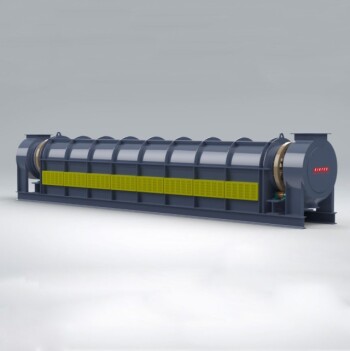
A fast pyrolysis furnace is engineered to maximize liquid bio-oil production through ultra-high heating rates that generally exceed 100 °C/s. By maintaining precise temperature control between 400 and 750 °C, the system rapidly converts lignin into vapor and immediately condenses it, achieving bio-oil yields as high as 70% by preventing the material from degrading into char.
By prioritizing rapid thermal decomposition and immediate condensation, fast pyrolysis furnaces bypass the natural tendency of lignin to carbonize, effectively securing high liquid yields that slower methods cannot achieve.
The Mechanics of Lignin Conversion
Extreme Heating Rates
The primary capability of this furnace is the delivery of heat at substantial speeds.
The system is designed to provide heating rates exceeding 100 °C/s. This intensity is required to shock the lignin feedstock into a reactive state before it can thermally stabilize.
Precise Temperature Control
Success depends on maintaining a specific thermal window.
The furnace operates strictly between 400 and 750 °C. This range is critical; it is hot enough to facilitate decomposition but controlled enough to manage the chemical breakdown.
Rapid Vapor Condensation
Heating is only half of the equation; the furnace system must also handle the resulting gases.
Once the lignin is converted into vapor, it must be rapidly condensed. This quick phase change captures the chemical compounds in liquid form before they escape or degrade.
Optimizing for Yield
Minimizing Carbonization
The central enemy of bio-oil production is carbonization, where feedstock turns into solid char rather than liquid.
Fast pyrolysis furnaces mitigate this by processing the material so quickly that carbonization pathways are interrupted. The speed of the reaction ensures the carbon remains available for the liquid phase.
High Bio-Oil Recovery
The ultimate metric of the furnace's capability is its output volume.
When operating within these specific heating and temperature parameters, the furnace can achieve a liquid bio-oil yield of up to 70%. This high efficiency makes it a definitive tool for lignin processing.
Understanding the Trade-offs
Sensitivity to Temperature Deviations
While the furnace is capable of high yields, it relies heavily on "precise temperature control."
Operating outside the 400 to 750 °C window will likely compromise the reaction. Temperatures that are too low may fail to decompose the lignin, while temperatures exceeding this limit could destroy the desired bio-oil compounds.
Dependence on Quenching Speed
The process is not static; it requires dynamic handling of vapors.
The text emphasizes the need to convert lignin to vapor and then "rapidly condense it." If the system cannot condense the vapor quickly enough, the high yield capability of 70% will likely diminish.
Making the Right Choice for Your Goal
To leverage a fast pyrolysis furnace effectively, you must align your operational parameters with your desired outcomes.
- If your primary focus is maximizing liquid volume: Ensure your heating mechanism can consistently sustain rates above 100 °C/s to prevent char formation.
- If your primary focus is process consistency: Implement rigid monitoring to keep the reaction environment strictly between 400 and 750 °C.
The efficacy of a fast pyrolysis furnace lies entirely in its ability to balance extreme speed with strict thermal precision.
Summary Table:
| Feature | Fast Pyrolysis Capability | Benefit for Lignin Processing |
|---|---|---|
| Heating Rate | > 100 °C/s | Prevents carbonization by bypassing char formation pathways |
| Temperature Range | 400 °C to 750 °C | Maintains precise thermal window for optimal chemical breakdown |
| Bio-oil Yield | Up to 70% | High-efficiency conversion of biomass into liquid energy |
| Vapor Handling | Rapid Condensation | Captures volatile compounds before they degrade or escape |
Elevate Your Bio-Energy Research with KINTEK
Are you looking to maximize liquid yields and process consistency in your lignin research? KINTEK specializes in advanced laboratory equipment, offering high-performance high-temperature furnaces (muffle, tube, and vacuum) and high-pressure reactors specifically designed for the rigorous demands of fast pyrolysis.
From precise temperature control to robust crushing and milling systems for feedstock preparation, our portfolio supports every stage of your biomass conversion workflow. Our technical experts are ready to help you select the ideal furnace or reactor to achieve heating rates exceeding 100 °C/s and yields up to 70%.
Ready to optimize your lab's output? Contact KINTEK today to discuss your project requirements!
References
- Engin Kocatürk, Zeki Candan. Recent Advances in Lignin-Based Biofuel Production. DOI: 10.3390/en16083382
This article is also based on technical information from Kintek Solution Knowledge Base .
Related Products
- Electric Rotary Kiln Continuous Working Small Rotary Furnace Heating Pyrolysis Plant
- Electric Rotary Kiln Pyrolysis Furnace Plant Machine Calciner Small Rotary Kiln Rotating Furnace
- Electric Rotary Kiln Small Rotary Furnace Biomass Pyrolysis Plant
- Spark Plasma Sintering Furnace SPS Furnace
- Laboratory Rapid Thermal Processing (RTP) Quartz Tube Furnace
People Also Ask
- What are the characteristics of the slipping, slumping, and rolling modes of bed motion? Optimize Your Rotary Process
- What are the principles of a rotary kiln? Master the Mechanics of High-Temperature Processing
- What are the different types of calciners? A Guide to Selecting the Right Thermal Processing Equipment
- What is the temperature of a rotating kiln? It Depends on Your Material and Process Goal
- How are rotary kilns heated? Direct vs. Indirect Heating Methods Explained