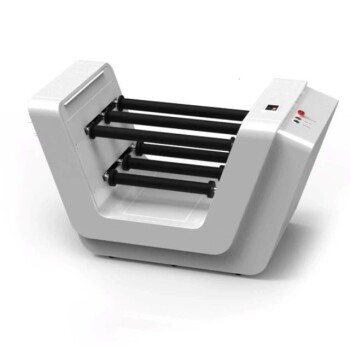
At its core, grinding efficiency is determined by the interplay between the material's properties, the grinding equipment's configuration, and your operational parameters. The most critical factors are the moisture content and hardness of the input material, combined with the screen size and feed rate of the grinder. Optimizing these elements reduces energy consumption and maximizes the output of correctly sized material.
Grinding is rarely the final goal; it is a preparatory step for a subsequent process. Therefore, true efficiency is not just about the energy used to grind, but how effectively the resulting material meets the specific particle size and moisture requirements of that next stage, such as pyrolysis or pelletizing.
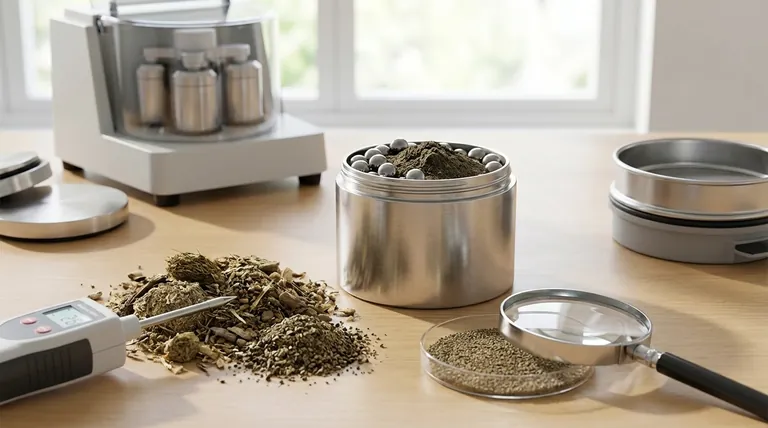
The Purpose: Why Particle Size and Moisture Matter
Grinding transforms raw feedstock into a uniform material suitable for another process. The efficiency of that downstream process dictates the ideal characteristics of your ground material.
Achieving Target Particle Size
Many industrial processes, such as pyrolysis, require small, uniform particles. The reference point of needing particles up to 2 mm is common.
This is because smaller particles have a much higher surface-area-to-volume ratio. This property is critical for ensuring rapid and uniform heat transfer or chemical reaction throughout the material.
Controlling Final Moisture Content
Moisture content is a critical variable. For a process like pyrolysis, a target of ~10% moisture is often ideal.
If moisture is too high, the system wastes enormous energy boiling off the excess water before the primary process can begin. If it is too low, the material can become brittle, leading to the creation of excessive dust and fines, which can cause handling problems or negatively affect the final product.
Key Factors Influencing Grinding Performance
To achieve the ideal particle size and moisture, you must manage three distinct areas: the material you start with, the equipment you use, and how you operate it.
Material Properties: The Input
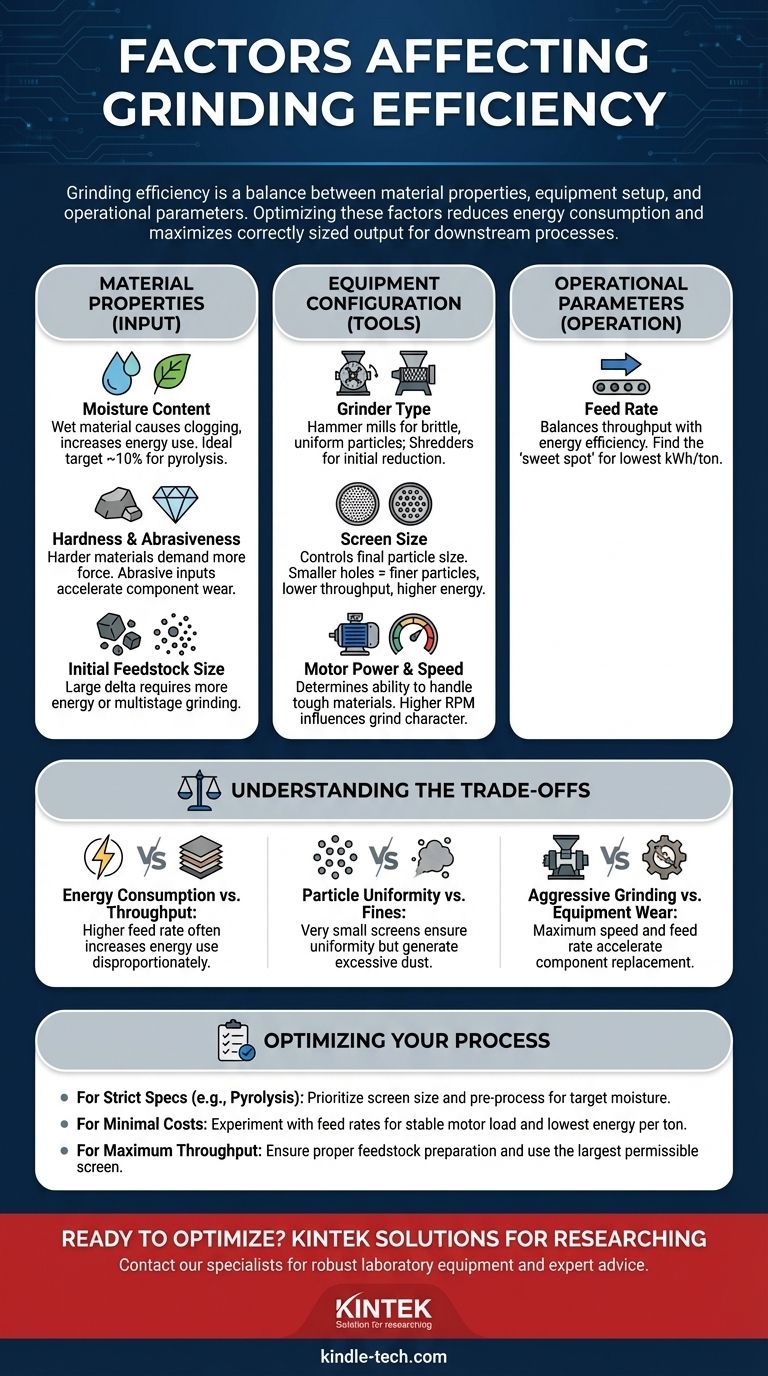
Moisture Content The moisture level of the input material has a direct impact on the grinding mechanics. Wet, fibrous material can be "gummy," leading to clogging in the grinder and requiring significantly more energy to break down.
Hardness and Abrasiveness Harder, denser materials naturally demand more energy and force to fracture. Highly abrasive materials (like those containing silica or dirt) will also dramatically accelerate the wear on grinder components like hammers and screens, increasing maintenance costs.
Initial Feedstock Size The size of the material entering the grinder matters. A large delta between the input and desired output size may require multiple stages of grinding or a much more powerful machine, both of which affect overall efficiency.
Equipment and Configuration: The Tools
Grinder Type Different grinders are designed for different tasks. A hammer mill is excellent for creating a relatively uniform, smaller particle from brittle materials, while a chipper or shredder is better for initial size reduction of larger, tougher feedstock.
Screen Size The perforated screen at the discharge of a grinder is the single most important factor controlling the maximum particle size of the output. A smaller screen hole produces a finer particle but reduces throughput and increases energy use.
Motor Power and Speed The power of the motor determines the grinder's ability to handle tough materials and high feed rates without slowing down or stalling. The rotational speed (RPM) also influences the character of the grind, with higher speeds often producing more fine particles.
Understanding the Trade-offs
Pursuing one aspect of efficiency often comes at the expense of another. Acknowledging these trade-offs is key to true optimization.
Energy Consumption vs. Throughput
You can often increase throughput (tons per hour) by increasing the feed rate. However, this typically leads to a disproportionate increase in energy consumption (kWh per ton) as the motor works harder to keep up. There is usually an energy-efficient "sweet spot" for any given setup.
Particle Uniformity vs. Fines Generation
Using a very small screen to ensure no oversized particles get through will inevitably create more "fines" or dust. These ultra-fine particles can be lost during handling or cause blockages and operational issues in the downstream process.
Aggressive Grinding vs. Equipment Wear
Running a grinder at its maximum speed and feed rate to maximize throughput will also maximize wear on its components. The cost of frequent replacement for hammers, knives, and screens can easily outweigh the financial benefit of the higher production rate.
Optimizing Your Grinding Process
Your specific goal determines your optimization strategy. Use these guidelines to align your operation with your primary objective.
- If your primary focus is meeting strict process specifications (e.g., for pyrolysis): Prioritize screen size selection and pre-process your material to achieve the target moisture content before it enters the grinder.
- If your primary focus is minimizing operational costs: Experiment with feed rates to find the point where motor load is stable and energy consumption per ton is lowest, even if it isn't the absolute maximum throughput.
- If your primary focus is maximizing throughput: Ensure your feedstock is properly prepared (e.g., pre-shredded) and use the largest screen size permissible that still meets your downstream requirements.
Ultimately, optimizing grinding efficiency requires viewing it not as an isolated task, but as an integral part of a larger, interconnected system.
Summary Table:
| Factor Category | Key Variables | Impact on Efficiency |
|---|---|---|
| Material Properties | Moisture Content, Hardness, Initial Size | Affects energy use, clogging risk, and equipment wear. |
| Equipment Setup | Grinder Type, Screen Size, Motor Power | Determines final particle size, throughput, and energy consumption. |
| Operational Parameters | Feed Rate | Balances throughput with energy efficiency and particle quality. |
Ready to Optimize Your Grinding Process?
Maximizing grinding efficiency is crucial for the success of downstream operations like pyrolysis and pelletizing. KINTEK specializes in providing robust laboratory equipment and consumables designed to handle a wide range of materials and process requirements. Our experts can help you select the right grinder and configure it for optimal performance, reducing your energy costs and ensuring your material meets exact specifications.
Contact our specialists today to discuss your specific grinding challenges and discover how KINTEK's solutions can enhance your lab's productivity and efficiency.
Visual Guide
Related Products
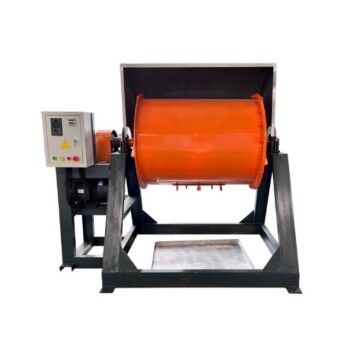
- Laboratory Ball Mill Jar Mill with Metal Alloy Grinding Jar and Balls
- Stainless Steel Laboratory Ball Mill for Dry Powder and Liquid with Ceramic Polyurethane Lining
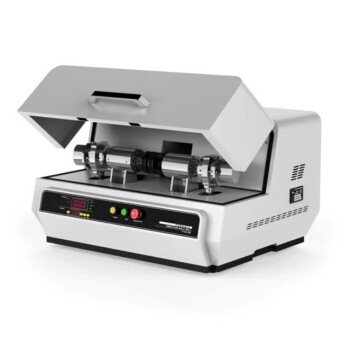
- Laboratory Single Horizontal Jar Mill
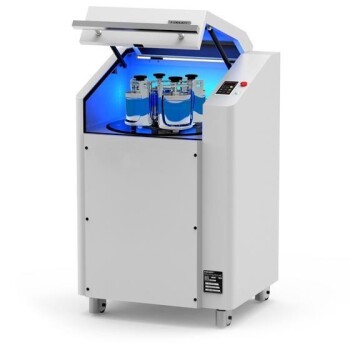
- Laboratory Four-Body Horizontal Jar Mill
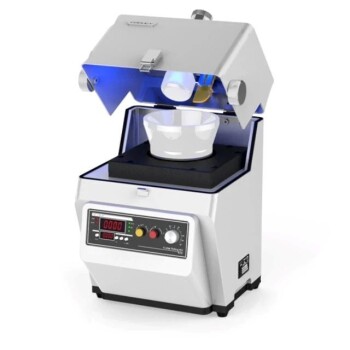
- Laboratory Micro Tissue Grinding Mill Grinder
People Also Ask
- What are the main components of a ball mill? Optimize Your Grinding Process for Peak Performance
- What are the limitations of ball mills? Understanding the Trade-offs of High-Volume Grinding
- What is the preventive maintenance of ball mill? Ensure Maximum Uptime and Reliability
- What is the major limitation of ball mill? Ineffectiveness with soft, tacky, or fibrous materials
- What is the product size of a ball mill? Achieve Micron-Level Precision for Your Materials