The Platinum-Titanium Functional Electrode is a high-performance composite component designed for demanding electrochemical environments. It combines the structural strength of a high-purity titanium substrate with the superior catalytic properties of a platinum coating, resulting in a device that offers exceptional corrosion resistance, high current efficiency, and the unique ability to operate effectively as both an anode and a cathode.
By leveraging the ductility of platinum and the stability of titanium, this electrode solves common degradation issues found in standard materials. It delivers a durable, high-efficiency solution capable of withstanding harsh conditions in applications ranging from hydrogen production to precious metal electroplating.
Optimizing Electrochemical Performance
Superior Catalytic Activity
This electrode is engineered with specific electrochemical potentials to maximize efficiency. It features a high oxygen evolution potential and a low hydrogen evolution potential.
Reversibility and Polarity
A standout feature of this electrode is its ability to be reverse-poled. This flexibility allows it to function as either an anode or a cathode, adapting to complex multi-stage processes without requiring equipment changes.
High Current Efficiency
The design supports high current efficiency, crucial for industrial scalability. It is rated for an applicable current of less than 20,000 A/m², ensuring stable performance under significant electrical loads.
Structural Integrity and Customization
Robust Composition
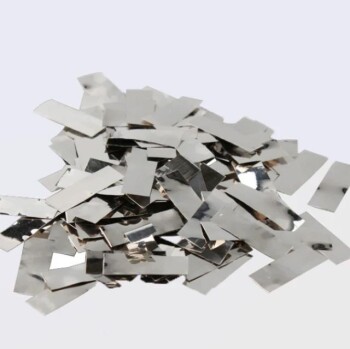
The electrode utilizes a high-purity titanium base—available as plates, meshes, tubes, or rods—coated with a precise layer of platinum. This platinum plating ranges in thickness from 0.3 to 10μm, with a precious metal content greater than 15g/m².
Adhesion and Ductility
The platinum layer is noted for its good ductility. This physical property imparts excellent adhesion to the titanium anode, preventing the coating from cracking or delaminating during operation.
Versatile Form Factors
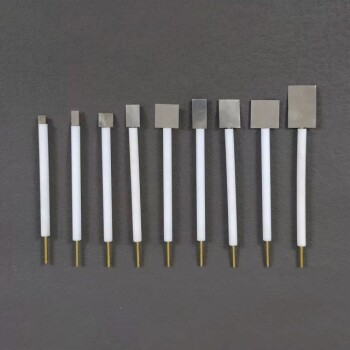
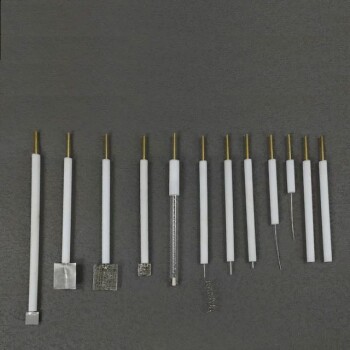
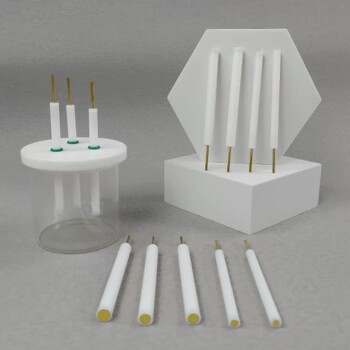
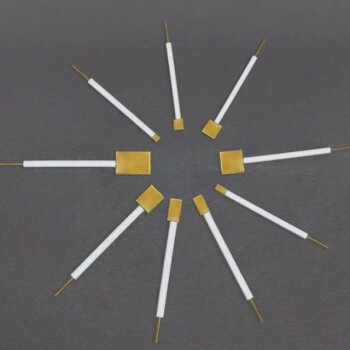
To meet diverse engineering requirements, the electrode is highly customizable. It can be manufactured in various geometries, including standard plates and rods, as well as complex mesh barrels, to fit specific reactor designs.
Understanding Operational Boundaries
Current Density Limitations
While highly efficient, this electrode has a defined operational ceiling. It is designed for currents under 20,000 A/m²; pushing the device beyond this threshold may compromise the platinum coating and reduce lifespan.
Material Investment
The high performance relies on a substantial platinum content (>15g/m²). Users must account for the reliance on precious metals, which dictates the initial cost relative to non-precious alternatives.
Making the Right Choice for Your Goal
When integrating Platinum-Titanium electrodes into your system, align the specifications with your specific process needs:
- If your primary focus is industrial electroplating: Prioritize the mesh or barrel form factors to maximize surface area and ensure uniform deposition for gold or copper plating.
- If your primary focus is water electrolysis or hydrogen production: Leverage the high oxygen evolution potential to maximize gas generation efficiency while maintaining electrode stability.
- If your primary focus is equipment longevity: Operate strictly within the 20,000 A/m² current limit to preserve the platinum layer's adhesion and corrosion resistance.
The Platinum-Titanium Functional Electrode represents the ideal synthesis of durability and conductivity for your most critical electrochemical applications.
Summary Table:
| Feature | Specification/Detail |
|---|---|
| Substrate Material | High-purity Titanium (Plate, Mesh, Tube, Rod) |
| Coating Material | Platinum (Ductile, high adhesion) |
| Platinum Thickness | 0.3 – 10 μm |
| Precious Metal Content | > 15 g/m² |
| Current Density Limit | < 20,000 A/m² |
| Functionality | Reversible polarity (Anode and Cathode) |
| Key Benefits | High oxygen evolution potential, low hydrogen evolution potential |
Elevate Your Electrochemical Processes with KINTEK
Maximize the performance of your hydrogen production, electroplating, or water treatment systems with KINTEK’s premium Platinum-Titanium Functional Electrodes. Our electrodes provide the perfect balance of titanium's structural stability and platinum's superior catalytic power.
Beyond specialized electrolytic cells and electrodes, KINTEK offers a full suite of laboratory solutions, including high-temperature furnaces, hydraulic presses, and advanced battery research tools. We empower researchers and industrial engineers with durable, high-precision equipment tailored to demanding specifications.
Ready to optimize your current efficiency and electrode longevity? Contact our technical experts today to find the perfect fit for your application!
Related Products
- Platinum Sheet Electrode for Laboratory and Industrial Applications
- Platinum Auxiliary Electrode for Laboratory Use
- Rotating Platinum Disk Electrode for Electrochemical Applications
- Platinum Sheet Electrode for Battery Lab Applications
- RRDE rotating disk (ring disk) electrode / compatible with PINE, Japanese ALS, Swiss Metrohm glassy carbon platinum
People Also Ask
- What is a common use for a platinum sheet electrode? As a Reliable Counter Electrode in Electrochemical Cells
- What is the most critical guideline for immersing a platinum sheet electrode in an electrolyte? Ensure Accurate Electrochemical Measurements
- What is the purity of the platinum sheet in a platinum sheet electrode? The Key to Reliable Electrochemical Data
- What is the expected lifespan of a platinum sheet electrode? Maximize Your Electrode's Service Life
- What are the available specifications for platinum sheet electrodes? Find the Perfect Fit for Your Electrochemical Needs