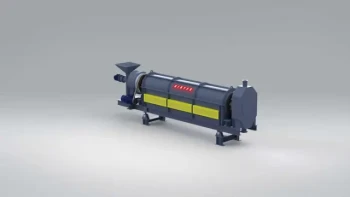
High-temperature thermal regeneration transforms spent activated carbon from a disposable liability into a renewable asset. By processing saturated media in specialized industrial furnaces at temperatures around 815°C, operators can pyrolyze difficult contaminants and restore the material's critical pore activity. This approach replaces the expensive, linear model of "single-use and disposal" with a highly efficient circular lifecycle.
Core Insight: The primary value of thermal regeneration is not just waste reduction, but the complete restoration of adsorptive capacity. By effectively reversing the adsorption process through high heat, facilities significantly lower the demand for virgin raw materials and reduce the life-cycle environmental impact of water treatment systems.
The Mechanics of Restoration
Precision Temperature Control
Effective regeneration requires a delicate thermal balance. Specialized equipment, such as rotary kilns, multi-hearth furnaces, or high-temperature tube furnaces, heat the carbon to temperatures slightly below the initial activation point (typically around 815°C).
This specific thermal range is critical. It is hot enough to treat the contaminants but controlled enough to preserve the underlying carbon structure.
Pyrolysis of Contaminants
The high-heat environment triggers specific chemical reactions—namely pyrolysis, desorption, and oxidative decomposition.
These reactions break down organic molecules trapped within the carbon's internal structure. This is particularly effective for persistent contaminants; for example, this process can successfully pyrolyze adsorbed PFAS (per- and polyfluoroalkyl substances), ensuring they are destroyed rather than just moved to a landfill.
Restoring Pore Volume
The ultimate goal of this process is the recovery of the specific surface area and pore volume.
By removing the volatile compounds and organic matter clogging the microscopic pores, the furnace restores the "active" sites of the carbon. This returns the material to a state where it can effectively adsorb contaminants again.
Economic and Operational Advantages
Reduced Dependency on Raw Materials
Single-use carbon operations require a constant influx of virgin material, necessitating the continuous sourcing and processing of coal, wood, or coconut shells.
Thermal regeneration significantly reduces this demand. By enabling the circular reuse of waste filter media, facilities decouple their operational capacity from the volatility of raw material supply chains.
Lowering Life-Cycle Costs
While industrial furnaces require energy to operate, the cost is often offset by the reduction in consumable purchases.
Supplementary data indicates that high-temperature tube and rotary furnaces increase the turnover rate of adsorbents. This directly lowers the operational costs associated with constantly purchasing expensive new activated carbon.
Environmental Impact
Beyond simple economics, this process lowers the comprehensive environmental footprint of the treatment system.
By diverting spent carbon from landfills and reducing the carbon footprint associated with mining and transporting new media, regeneration supports a more sustainable, closed-loop water treatment infrastructure.
Understanding the Trade-offs
Energy Intensity vs. Material Savings
While regeneration saves material, it is an energy-intensive process.
Operators must balance the energy costs of maintaining temperatures between 800°C and 1000°C against the savings realized from reduced carbon purchasing. The efficiency of the furnace insulation and heat recovery systems plays a large role in this equation.
The Importance of Temperature Regulation
Process control is non-negotiable.
If temperatures are too low (e.g., only carbonization levels of 500–600°C), the process may only remove volatile compounds without fully restoring pore structure. Conversely, excessive heat or uncontrolled oxidation can destroy the carbon matrix itself, leading to material loss.
Making the Right Choice for Your Goal
To determine if thermal regeneration fits your operational strategy, consider your primary objectives:
- If your primary focus is contaminant destruction: High-temperature regeneration is essential for pyrolyzing persistent organic pollutants like PFAS that cannot be removed by low-temperature methods.
- If your primary focus is cost efficiency: The initial capital investment in furnace equipment is justified by the long-term reduction in OpEx related to purchasing virgin activated carbon.
- If your primary focus is sustainability: Transitioning to a regenerative model drastically lowers your facility's environmental impact by closing the loop on material waste.
Ultimately, high-temperature regeneration offers a process advantage that shifts activated carbon from a consumable cost to a renewable resource.
Summary Table:
| Feature | Single-Use Activated Carbon | High-Temperature Thermal Regeneration |
|---|---|---|
| Material Lifecycle | Linear (Disposable) | Circular (Renewable Asset) |
| Cost Structure | High recurring OpEx for virgin media | Reduced media costs; offset by furnace energy |
| Pore Restoration | None (Material is discarded) | Full recovery of adsorptive capacity at ~815°C |
| Contaminant Handling | Transferred to landfill | Pyrolyzed and destroyed (e.g., PFAS) |
| Environmental Impact | High waste & supply chain demand | Low footprint; supports closed-loop systems |
Maximize Your Material Lifecycle with KINTEK
Don't let valuable media go to waste. KINTEK specializes in advanced laboratory and industrial equipment, including high-temperature tube, rotary, and vacuum furnaces designed for precise thermal regeneration. Our high-performance systems ensure exact temperature control to restore pore activity while destroying persistent contaminants.
Whether you are focusing on battery research, water treatment, or chemical processing, our comprehensive range of crushing and milling systems, high-pressure reactors, and specialized ceramics provides the end-to-end support your facility needs to transition to a sustainable, cost-effective circular model.
Ready to reduce your dependency on raw materials?
Contact KINTEK experts today to find the perfect thermal solution for your lab or industrial application.
References
- Md. Moshiur Rahman Tushar, Lewis S. Rowles. Balancing sustainability goals and treatment efficacy for PFAS removal from water. DOI: 10.1038/s41545-024-00427-1
This article is also based on technical information from Kintek Solution Knowledge Base .
Related Products
- Electric Rotary Kiln Small Rotary Furnace for Activated Carbon Regeneration
- Graphite Vacuum Furnace Bottom Discharge Graphitization Furnace for Carbon Materials
- Vacuum Heat Treat and Pressure Sintering Furnace for High Temperature Applications
- High Temperature Muffle Oven Furnace for Laboratory Debinding and Pre Sintering
- 1400℃ Controlled Atmosphere Furnace with Nitrogen and Inert Atmosphere
People Also Ask
- What is a rotary kiln electric furnace? Achieve Superior Uniform Heating for Your Materials
- What is the temperature of activated carbon regeneration? Unlock the 1000°F Process for Reuse
- What is the regeneration temperature of activated carbon? Optimize Your Process with the Right Method
- What are the characteristics of the slipping, slumping, and rolling modes of bed motion? Optimize Your Rotary Process
- What are the parts of a carbon regeneration kiln? A Guide to Its Core Components and Function