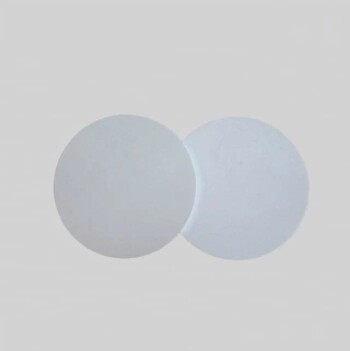
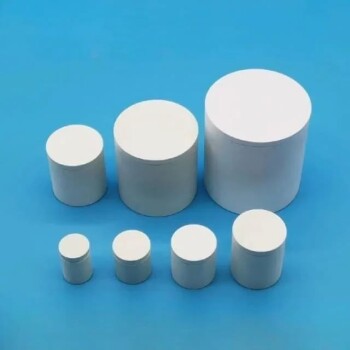
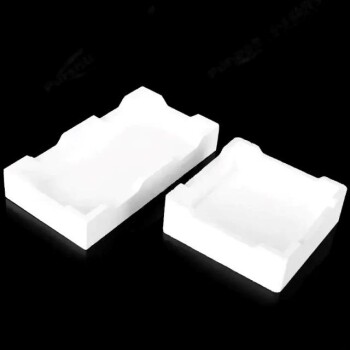
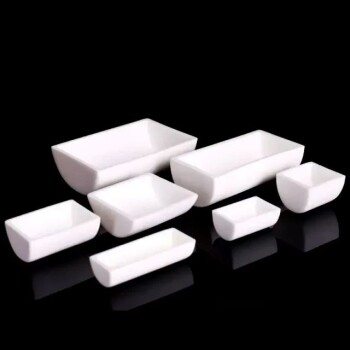
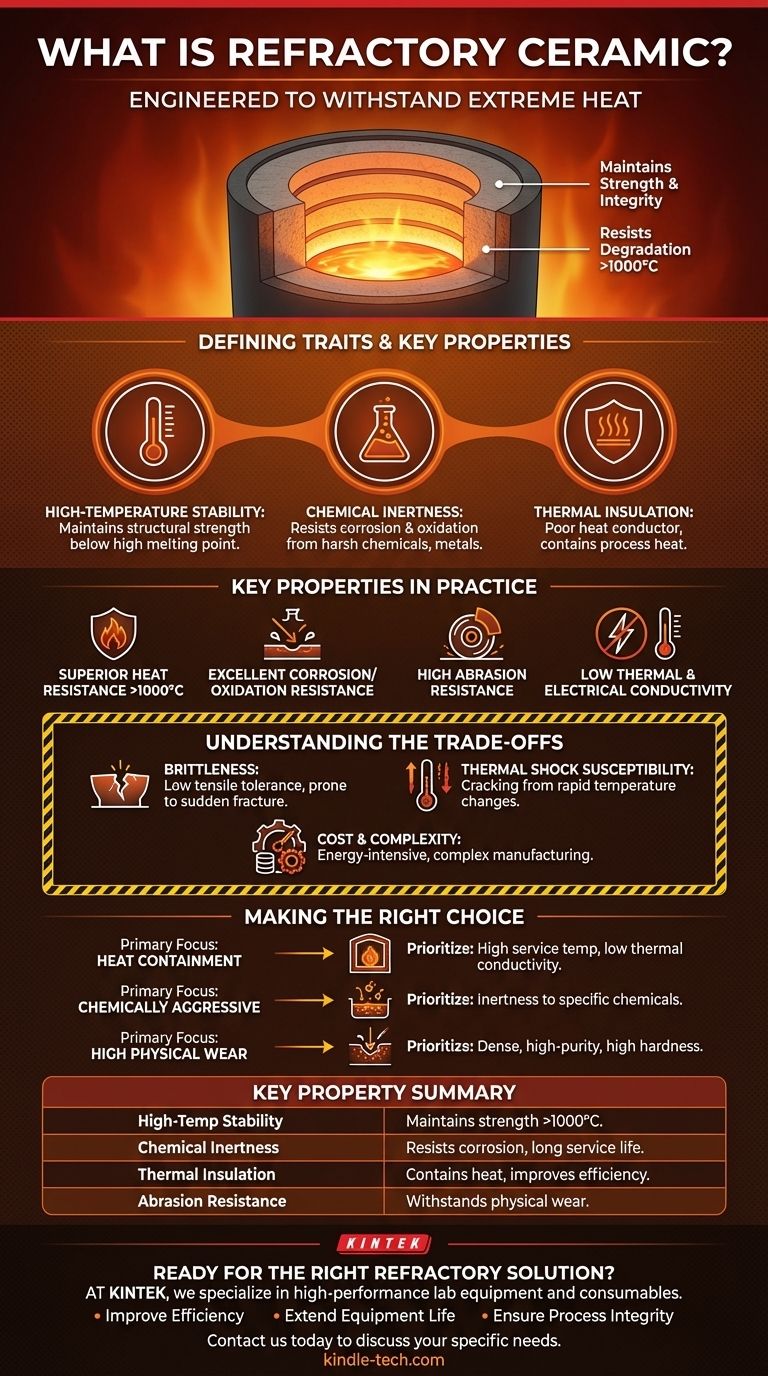
At its core, a refractory ceramic is an engineered material built for one primary purpose: to withstand extreme heat. These specialized materials are designed to maintain their strength and chemical integrity at temperatures that would melt or degrade most metals. They form the critical linings of furnaces, kilns, and reactors, making them essential for nearly every high-temperature industrial process.
The true value of a refractory ceramic isn't just its resistance to heat, but its combination of thermal stability, chemical inertness, and structural integrity. This unique blend of properties makes them the indispensable barrier materials that enable modern manufacturing and energy production.

What Defines a Refractory Material?
A material is considered "refractory" if it can withstand high temperatures without deforming or breaking down. While this is their primary characteristic, several interconnected properties work together to achieve this performance.
The Defining Trait: High-Temperature Stability
The most fundamental property is an exceptionally high melting point. But more importantly, refractory ceramics maintain their structural strength and shape well below that point, allowing them to bear loads even when heated.
Chemical Inertness
At high temperatures, chemical reactions accelerate dramatically. Refractory ceramics are designed to be chemically stable, resisting corrosion and oxidation from the hot liquids, metals, and gases they contain.
Thermal Insulation
These materials are generally poor conductors of heat. This insulating property is critical for containing heat within a process, which improves energy efficiency and protects the surrounding equipment and personnel.
Key Properties That Matter in Practice
The general characteristics of refractory materials translate into specific, measurable properties that engineers rely on when selecting a material for a given application.
Superior Heat Resistance
This is the ability to operate continuously at extreme temperatures, often in excess of 1000°C (1800°F), without losing functionality.
Excellent Corrosion and Oxidation Resistance
This property ensures the material will not be eaten away by chemical attack from molten metals, slags, or harsh atmospheric gases, ensuring a long service life.
High Abrasion Resistance
Refractory ceramics are extremely hard and resistant to physical wear. This is vital in applications where moving solids or high-velocity gases could erode the material's surface.
Low Thermal and Electrical Conductivity
Their ability to act as both thermal and electrical insulators is a key advantage. This prevents heat loss and unwanted electrical short-circuits in high-temperature electrical equipment.
Understanding the Trade-offs
No material is perfect. The same molecular structures that give refractory ceramics their strengths also create inherent limitations that must be managed.
Brittleness
While very strong under compression, ceramics are brittle. They have low tolerance for tensile (pulling) forces and can fracture suddenly under impact or mechanical stress, unlike metals which tend to bend first.
Thermal Shock Susceptibility
Rapid changes in temperature create internal stresses that can cause cracking. This vulnerability, known as thermal shock, means heating and cooling cycles must often be carefully controlled.
Cost and Manufacturing Complexity
Producing high-purity, precisely engineered refractory components is an energy-intensive and complex process. This often makes them more expensive than conventional materials.
Making the Right Choice for Your Application
Selecting the correct refractory ceramic involves matching the material’s specific strengths to the primary challenges of the industrial environment.
- If your primary focus is pure heat containment: Prioritize materials with the highest possible service temperature and the lowest thermal conductivity to maximize insulation and efficiency.
- If your primary focus is a chemically aggressive environment: Select a ceramic specifically formulated for inertness against the specific chemicals (e.g., acids, molten metals) in your process.
- If your primary focus is high physical wear: Choose a dense, high-purity ceramic known for its superior hardness and abrasion resistance to prevent erosion.
Ultimately, understanding these properties allows you to select a material that doesn't just survive its environment, but enables the process itself.
Summary Table:
| Key Property | Why It Matters |
|---|---|
| High-Temperature Stability | Maintains strength and shape at temperatures often exceeding 1000°C (1800°F). |
| Chemical Inertness | Resists corrosion from molten metals, slags, and harsh gases for long service life. |
| Thermal Insulation | Contains heat within a process, improving energy efficiency and protecting equipment. |
| Abrasion Resistance | Withstands physical wear from moving solids or high-velocity gases. |
| Brittleness (Limitation) | Low tolerance for tensile stress or impact, requiring careful handling. |
Ready to find the right refractory solution for your high-temperature process?
At KINTEK, we specialize in providing high-performance lab equipment and consumables, including solutions for demanding thermal applications. Our expertise can help you select the right materials to enhance your process efficiency, durability, and safety.
We help you:
- Improve Efficiency: Maximize heat containment and energy savings with the right insulating materials.
- Extend Equipment Life: Protect your furnaces and reactors from chemical attack and physical wear.
- Ensure Process Integrity: Maintain consistent, high-temperature conditions critical for your results.
Contact us today to discuss your specific needs and let our experts guide you to the optimal solution.
Get in touch with our specialists now!
Visual Guide
Related Products
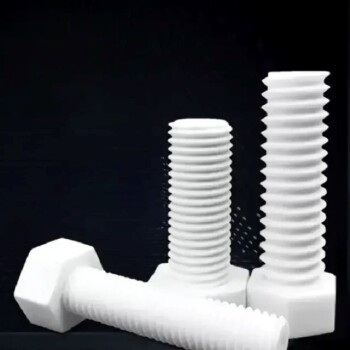
- High Quality Alumina Ceramic Screw for Engineering Advanced Fine Ceramics with High Temperature Resistance and Insulation
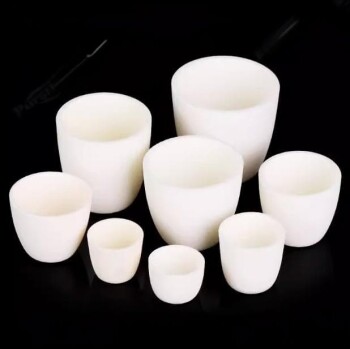
- Arc-Shaped Alumina Ceramic Crucible High Temperature Resistant for Engineering Advanced Fine Ceramics
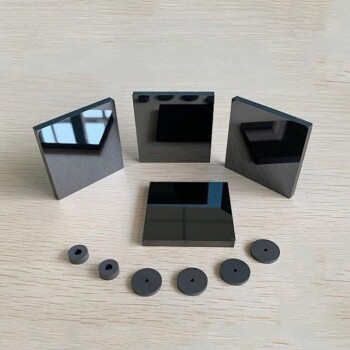
- Silicon Carbide (SIC) Ceramic Sheet Wear-Resistant Engineering Advanced Fine Ceramics
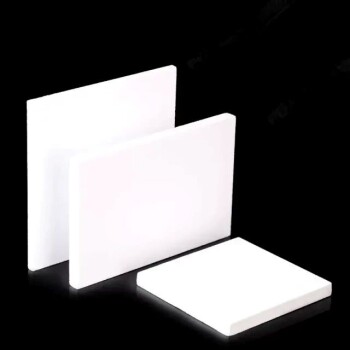
- High Temperature Wear-Resistant Alumina Al2O3 Plate for Engineering Advanced Fine Ceramics
- Hexagonal Boron Nitride HBN Ceramic Ring
People Also Ask
- Which insulation material is used for high temperature? Match the Right Material to Your Application
- What is the specific heat of alumina? It's a range from 451 to 955 J/kg·K
- What ceramics are used for insulation? Choose the Right Material for Thermal or Electrical Needs
- Can ceramic withstand high temperatures? Discover the Superior Materials for Extreme Heat
- What is the heat capacity of alumina? Unlock Its Full Thermal Performance for High-Temp Applications