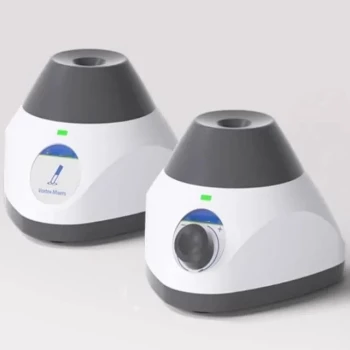
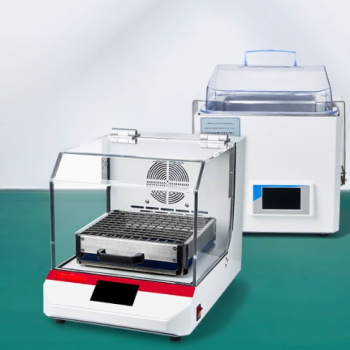
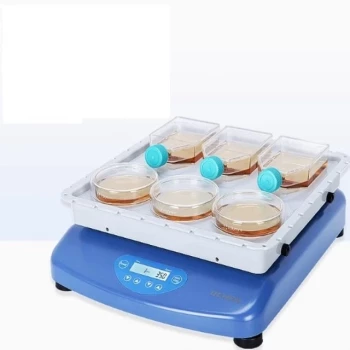
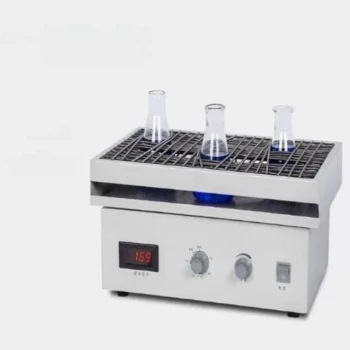
A constant temperature orbital shaker functions as the primary kinetic engine for the enzymatic hydrolysis of biomass. It serves two simultaneous purposes: maintaining the specific thermal environment required for maximal enzyme activity and providing mechanical agitation to ensure thorough contact between the solid biomass and the liquid enzyme solution. By strictly controlling these variables, the device enables the efficient conversion of cellulose into fermentable sugars.
The shaker creates an optimal heterogeneous reaction system by pairing precise thermal stability with continuous orbital shear force. This reduces mass transfer resistance, ensuring enzymes can physically access and degrade the solid cellulose substrate into glucose.
Precise Thermal Regulation
Optimizing Enzyme Kinetics
Enzymes are biological catalysts that operate efficiently only within narrow temperature ranges. The shaker stabilizes the reaction environment, typically around 50 ºC, to match the optimal activity point of standard cellulase enzymes.
Preventing Thermal Fluctuation
Even minor deviations in temperature can lead to reduced reaction rates. By maintaining a constant thermal baseline, the shaker ensures the enzymes operate at peak efficiency throughout the entire hydrolysis duration.
The Physics of Orbital Mixing
Facilitating Heterogeneous Reactions
Biomass hydrolysis is a heterogeneous system, consisting of solid cellulose pulp suspended in a liquid enzyme solution. Without active intervention, these phases would separate, limiting interaction.
Generating Shear Force
The device uses continuous orbital rotation to generate mechanical shear force. This physical stress forces the liquid enzymes to collide frequently and effectively with the solid cellulose substrate.
Reducing Mass Transfer Resistance
Static systems suffer from high mass transfer resistance, where enzymes cannot easily reach the substrate. The mechanical oscillation breaks down these physical barriers, ensuring the reaction is limited only by chemical kinetics, not by diffusion speed.
Enhancing Chemical Efficiency
Promoting Product Desorption
As enzymes break down cellulose, glucose can linger on the surface of the biomass. The agitation helps detach (desorb) these sugars, moving them into the bulk liquid and freeing the cellulose surface for further enzymatic attack.
Preventing Localized Inhibition
Without thorough mixing, high concentrations of glucose can accumulate in pockets around the biomass. This localized concentration can inhibit enzyme activity; the shaker ensures a uniform distribution to prevent this bottleneck.
Operational Considerations and Trade-offs
Balancing Shear Force
While agitation is critical, there is a limit. Excessive speed can generate too much shear stress, which may physically damage sensitive enzyme proteins or create unwanted foaming that hinders the reaction.
Energy vs. Yield
Running a device at a constant elevated temperature with continuous motor rotation requires significant energy. You must ensure the increase in glucose yield justifies the operational cost of the equipment compared to static or passive methods.
Optimizing Your Hydrolysis Strategy
To get the most out of your enzymatic hydrolysis process, consider the following parameters:
- If your primary focus is maximizing conversion rates: Ensure your agitation speed is high enough to keep all solids in suspension but low enough to avoid foaming.
- If your primary focus is enzyme longevity: Calibrate the temperature strictly to the enzyme's specific optimum (e.g., 50 ºC) to prevent thermal denaturation over long reaction periods.
By balancing thermal precision with mechanical kinetics, you transform a static mixture into a highly efficient biological reactor.
Summary Table:
| Feature | Role in Enzymatic Hydrolysis | Impact on Process Efficiency |
|---|---|---|
| Thermal Regulation | Maintains precise 50°C environment | Ensures peak enzyme activity & prevents denaturation |
| Orbital Agitation | Generates mechanical shear force | Overcomes mass transfer resistance in heterogeneous phases |
| Phase Mixing | Keeps solid biomass in suspension | Enhances frequency of enzyme-substrate collisions |
| Product Desorption | Detaches glucose from biomass surface | Prevents localized inhibition and frees reaction sites |
Elevate Your Biomass Research with KINTEK Precision
To achieve consistent, high-yield results in biomass hydrolysis, your laboratory requires precise control over both thermal kinetics and mechanical agitation. KINTEK specializes in high-performance laboratory equipment designed to meet the rigorous demands of material science and biochemical research.
Whether you are optimizing enzymatic reactions with our precision shakers and homogenizers, managing high-temperature processes with our muffle or vacuum furnaces, or requiring specialized high-pressure reactors and autoclaves, KINTEK provides the reliability your research deserves. Our comprehensive range also includes essential consumables like PTFE products, ceramics, and crucibles to support every stage of your workflow.
Ready to optimize your laboratory efficiency? Contact our technical experts today to find the perfect solution for your specific application.
References
- Rita Pontes, João Nunes. Comparative autohydrolysis study of two mixtures of forest and marginal land resources for co-production of biofuels and value-added compounds. DOI: 10.1016/j.renene.2018.05.055
This article is also based on technical information from Kintek Solution Knowledge Base .
Related Products
- Laboratory Vortex Mixer Orbital Shaker Multifunctional Rotation Oscillation Mixer
- Shaking Incubators for Diverse Laboratory Applications
- Laboratory Oscillating Orbital Shaker
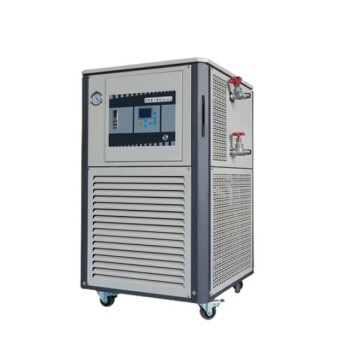
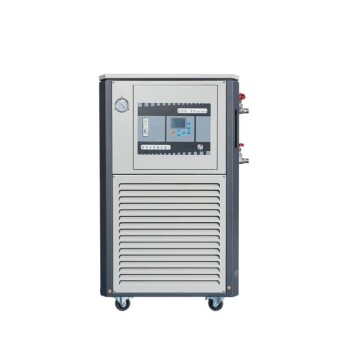
- High Temperature Constant Temperature Heating Circulator Water Bath Chiller Circulator for Reaction Bath
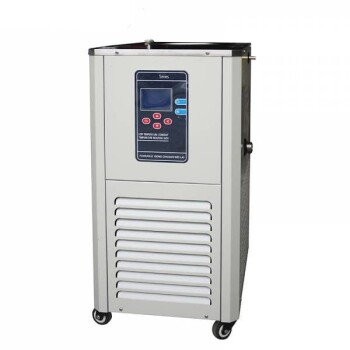
- 50L Heating Chilling Circulator Cooling Water Bath Circulator for High and Low Temperature Constant Temperature Reaction
People Also Ask
- What is the role of a laboratory orbital shaker in copper recovery? Optimize Industrial Waste Liquid Processing
- What is the role of a laboratory orbital shaker in activated carbon synthesis? Maximize Pore Depth & Surface Area
- What is a laboratory mixer used for? Choose the Right Tool for Liquids or Solids
- What is a laboratory mixer? A Guide to Achieving Perfect Sample Homogeneity
- What are laboratory mixers used for? Achieve Perfect Sample Homogeneity and Reliable Results