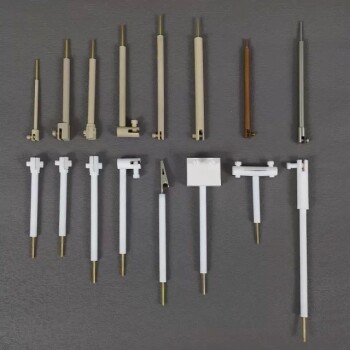
In Electrocatalytic Advanced Oxidation Processes (EAOPs), specifically within electrocatalytic Fenton systems, the graphite electrode functions as the cathode. Its primary role is to drive an oxygen reduction reaction on its surface, generating hydrogen peroxide (H2O2) in situ which is subsequently converted into highly active hydroxyl radicals (•OH) to degrade the microplastics.
The graphite cathode acts as the chemical generator of the system, converting electrical energy into powerful oxidants directly within the water. By producing reagents on-site, it eliminates the safety and logistical burdens of external chemical storage while ensuring the continuous breakdown of PVC’s durable structure.
The Mechanism of Action
The Role of the Cathode
In this specific setup, the graphite electrode is not merely a passive conductor; it is the active site for the oxygen reduction reaction.
Instead of adding chemicals manually, the system utilizes the electrode to continuously produce hydrogen peroxide (H2O2) from the oxygen present in the system.
Generation of Hydroxyl Radicals
The hydrogen peroxide generated at the graphite surface is the precursor to the true cleaning agent.
Through the Fenton reaction mechanism, this H2O2 is rapidly converted into hydroxyl radicals (•OH). These radicals are highly aggressive oxidants capable of attacking persistent organic pollutants.
Impact on Polyvinyl Chloride (PVC)
Dechlorination
PVC is notoriously difficult to degrade due to its high chlorine content.
The hydroxyl radicals produced via the graphite electrode facilitate efficient dechlorination, stripping the chlorine atoms from the polymer structure.
Carbon Chain Degradation
Beyond removing chlorine, the process targets the backbone of the microplastic.
The continuous bombardment by hydroxyl radicals results in carbon chain degradation, effectively breaking the long, durable polymer chains into smaller, less harmful molecules.
Operational Advantages
Eliminating Supply Chains
A major advantage of using graphite electrodes for in situ generation is the removal of logistical hurdles.
Because the H2O2 is created inside the reactor, there is no need to transport or store hazardous external chemical reagents, significantly reducing operational costs and safety risks.
Continuous Catalytic Activity
The system maintains high efficiency through continuous electron input.
As long as electricity is supplied to the graphite cathode, the production of oxidants remains constant, ensuring the degradation process does not stall.
Understanding the Operational Requirements
Dependence on Electron Flow
While the system reduces chemical inputs, it is entirely dependent on a stable electrical supply.
The "continuous electron input" mentioned in the reference is critical; any interruption in power immediately halts the production of H2O2 and the subsequent generation of hydroxyl radicals.
The Fenton Context
It is important to note that the graphite electrode operates effectively within an electrocatalytic Fenton system.
This implies that while the graphite generates the H2O2, the overall efficiency relies on the conditions required for the Fenton reaction to proceed (converting H2O2 to •OH).
Making the Right Choice for Your Goal
When designing or evaluating a PVC treatment system, consider how the graphite electrode aligns with your specific operational constraints.
- If your primary focus is Operational Safety: Utilize this graphite-based approach to eliminate the handling and storage of bulk hydrogen peroxide.
- If your primary focus is Process Efficiency: Ensure your power supply can provide the continuous electron input necessary to maintain the in situ generation of radicals.
The graphite electrode transforms a standard electrical input into a powerful, self-sustaining chemical degradation process for PVC microplastics.
Summary Table:
| Feature | Function in EAOPs for PVC |
|---|---|
| Electrode Role | Cathode (Active Site) |
| Primary Reaction | Oxygen Reduction Reaction (ORR) |
| In Situ Generation | Produces Hydrogen Peroxide (H2O2) |
| Active Oxidant | Hydroxyl Radicals (•OH) |
| PVC Impact | Dechlorination & Carbon Chain Breakdown |
| Key Advantage | No external chemical storage/transport needed |
Elevate Your Environmental Research with KINTEK
Advanced water treatment and microplastic degradation require precision and reliability. KINTEK specializes in high-performance laboratory equipment, including specialized electrolytic cells, electrodes (including high-purity graphite), and advanced reactor systems designed for Electrocatalytic Advanced Oxidation Processes (EAOPs).
Whether you are studying PVC dechlorination or developing new wastewater solutions, our portfolio—ranging from high-temperature high-pressure reactors to precision cooling solutions and hydraulic presses—is engineered to meet the rigorous demands of material science and electrochemistry. Contact KINTEK today to discuss how our high-quality consumables and laboratory systems can streamline your research and drive your sustainable innovation forward!
References
- Junliang Chen, Jianping Yang. How to Build a Microplastics‐Free Environment: Strategies for Microplastics Degradation and Plastics Recycling. DOI: 10.1002/advs.202103764
This article is also based on technical information from Kintek Solution Knowledge Base .
Related Products
- Graphite Disc Rod and Sheet Electrode Electrochemical Graphite Electrode
- High Purity Pure Graphite Crucible for Electron Beam Evaporation
- Rotating Platinum Disk Electrode for Electrochemical Applications
- Platinum Auxiliary Electrode for Laboratory Use
- Glassy Carbon Sheet RVC for Electrochemical Experiments
People Also Ask
- Why is a graphite electrode used as a counter electrode? Achieve Pure Electrochemical Reduction with KINTEK
- What is the correct procedure for installing and connecting a graphite electrode during an experiment? Ensure Accurate Electrochemical Results
- What are the potential risks when using a graphite electrode in electrochemical tests? Avoid Decomposition and Contamination
- What are the key precautions for handling graphite electrodes? Ensure Safety & Maximize Performance
- Why are Dimensionally Stable Anodes (DSA) preferred for indium electrowinning? Ensure High-Purity Results.