The primary purpose of grinding dried Tetradenia riparia leaves is to significantly increase the surface area of the raw material. By transforming the leaves into a fine powder, you facilitate optimal contact between the plant tissues and the solvent, such as distilled water. This physical alteration is the critical first step in maximizing the efficiency of the extraction process.
Grinding is not merely about size reduction; it is a method to enhance mass transfer during extraction. By maximizing surface area, you improve the leaching efficiency of essential bioactive compounds, ensuring a more potent and functional extract.
The Mechanics of Extraction Efficiency
Increasing Surface Area
The fundamental goal of using grinding equipment is to break down the cellular structure of the dried leaves.
Turning the material into a fine powder exposes a much larger total surface area compared to whole or coarsely chopped leaves. This increased exposure is the prerequisite for effective chemical interaction.
Optimizing Solvent Contact
Once the material is powdered, it undergoes a reflux extraction process.
The fine particle size allows the solvent (in this case, distilled water) to surround and penetrate the plant tissues more thoroughly. This ensures that the solvent does not just wash over the outer surface but interacts with the internal structure of the material.
Improving Leaching Efficiency
The ultimate objective of this physical processing is to extract specific chemical constituents.
The enhanced contact promotes the leaching efficiency of bioactive compounds. This ensures that vital components such as tannins, flavonoids, and phenolic substances are successfully transferred from the plant matrix into the solvent.
Operational Considerations
The Importance of Particle Size
Achieving a "fine powder" is not a suggestion; it is a technical requirement for functionality.
If the grinding process yields coarse particles, the solvent contact will be insufficient. This leads to a lower concentration of bioactive compounds, compromising the quality of the final extract.
Functionality Dependence
The functionality of the extract is directly tied to the efficiency of the upstream processing.
Without the increased surface area provided by grinding, the extraction of phenolic substances and other active agents would be suboptimal. The mechanical preparation is just as critical as the chemical extraction method itself.
Optimizing Your Extraction Strategy
To ensure you achieve the highest quality extract from Tetradenia riparia, consider your specific goals:
- If your primary focus is Potency: Prioritize achieving a consistent fine powder to maximize the release of tannins and flavonoids.
- If your primary focus is Efficiency: Ensure your grinding equipment is calibrated to maximize surface area, facilitating rapid and complete solvent penetration.
Proper mechanical preparation is the hidden driver of chemical extraction success.
Summary Table:
| Extraction Phase | Mechanical Action | Impact on Process |
|---|---|---|
| Pre-treatment | Grinding to fine powder | Increases surface area for solvent access |
| Solvent Interaction | Reflux extraction | Facilitates deep penetration into plant tissue |
| Mass Transfer | Leaching | Enhances recovery of tannins and flavonoids |
| Final Quality | Particle size control | Ensures high concentration of phenolic substances |
Elevate Your Extraction Precision with KINTEK
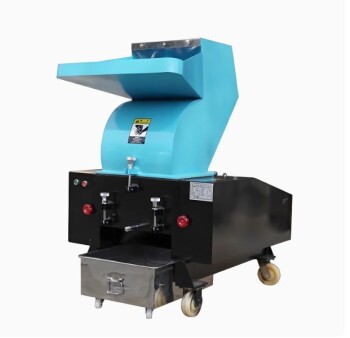
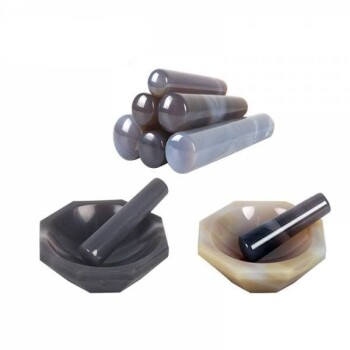
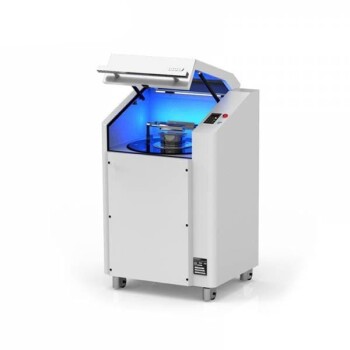
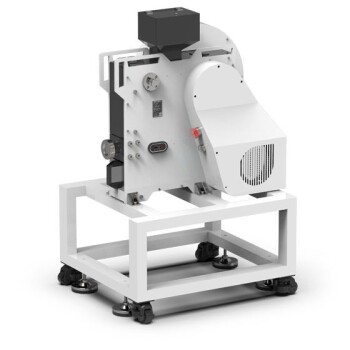
Achieving the perfect fine powder is critical for maximizing the potency of your Tetradenia riparia extracts. KINTEK specializes in high-performance laboratory equipment designed for the most demanding botanical research. From our precision crushing and milling systems to advanced high-temperature reactors and rotary evaporators, we provide the tools needed to ensure optimal mass transfer and superior leaching efficiency.
Whether you are processing medicinal plants or developing battery research materials, our comprehensive range of sieving equipment, PTFE products, and cooling solutions empowers your lab to achieve consistent, high-yield results.
Ready to optimize your extraction workflow? Contact KINTEK experts today to find the ideal milling and extraction solutions for your laboratory.
References
- Alinanuswe J. Mwakalesi. Corrosion Inhibition of Mild Steel in Sulphuric Acid Solution with Tetradenia riparia Leaves Aqueous Extract: Kinetics and Thermodynamics. DOI: 10.33263/briac131.032
This article is also based on technical information from Kintek Solution Knowledge Base .
Related Products
- Three-dimensional electromagnetic sieving instrument
- Laboratory High Throughput Tissue Grinding Mill Grinder
- Laboratory Grinding Mill Mortar Grinder for Sample Preparation
- Vibrating Disc Mill Small Laboratory Grinding Machine
- Laboratory Disc Cup Vibratory Mill for Sample Grinding
People Also Ask
- Why is sieving equipment essential for the classification of processed bio-activated carbon? Optimize Performance
- What are the limitations of sieving? Understanding the Constraints of Particle Size Analysis
- What are advantages and disadvantages of sieving method? A Guide to Reliable & Cost-Effective Particle Sizing
- How is sieving important? The Critical Role of Particle Size Analysis in Quality Control
- What is sieving and how does it work? A Guide to Accurate Particle Size Analysis